

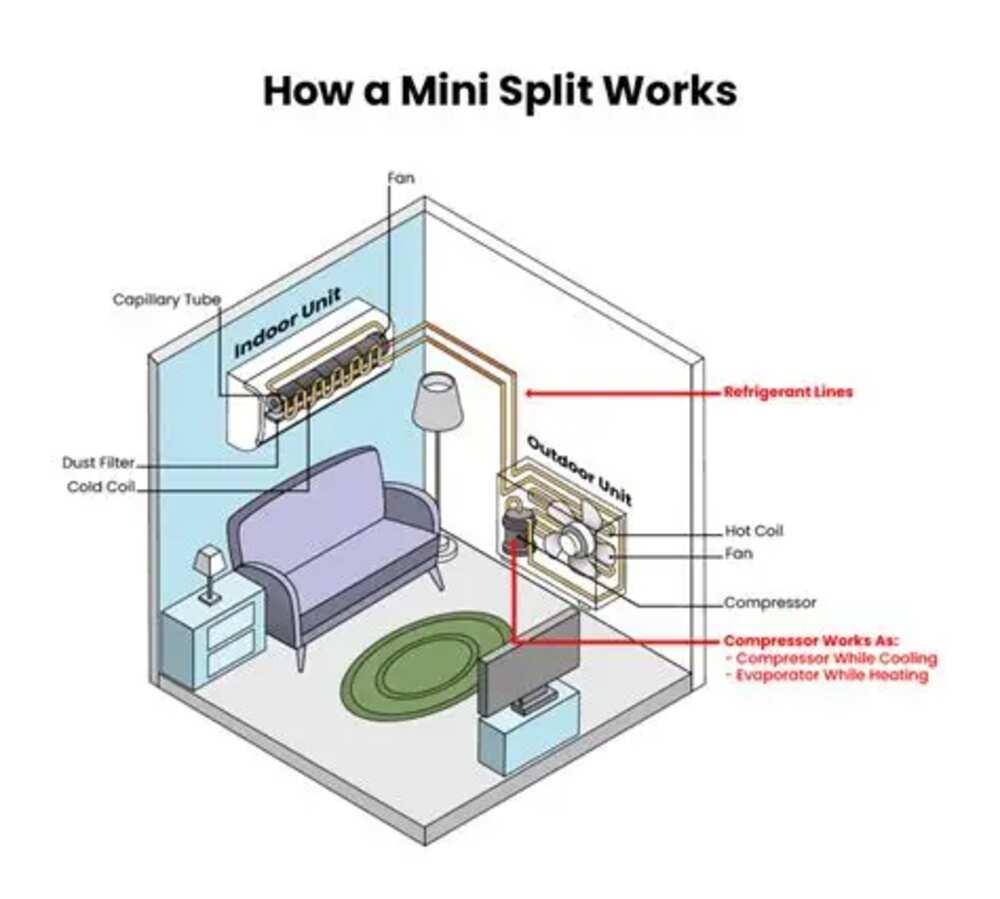
Mini Split Systems are transforming how homes and businesses approach heating and cooling. Compact, efficient, and highly adaptable, these systems have surged in popularity across global markets—from tropical climates to freezing winters. Yet, despite their growing presence, several misconceptions continue to cloud public understanding. This article separates myth from reality, offering a clear, factual look at how Mini Split Systems really perform.
More option: ac 1/2 pk
Myth 1: Mini Splits Are Only for Small Spaces
Reality: Mini Split Systems are scalable solutions designed for a wide range of applications.
While “mini” might suggest limited capacity, that couldn’t be further from the truth. Modern systems can serve anything from a single studio to a multi-story building. With multi-zone configurations, a single outdoor unit can connect to several indoor air handlers—each independently controlled. This flexibility allows precise temperature management for each room or zone, which is especially valuable in large homes, offices, hotels, and retail environments.
In short: size isn’t the limit—design is the advantage.
Myth 2: Mini Splits Are Expensive to Install
Reality: Installation costs are offset by long-term savings and lower maintenance.
Compared to central HVAC systems, Mini Splits often have a higher upfront cost, especially in multi-zone setups. However, that’s only part of the picture. Because they require no ductwork, installation is faster, cleaner, and less invasive—ideal for renovations or buildings without existing ducts. Over time, the efficiency of inverter-driven compressors and zoned temperature control lead to significant reductions in energy bills. Many homeowners and facility managers see payback within a few years.
When total ownership cost is considered—equipment, installation, and energy—Mini Split Systems often come out ahead.
Myth 3: Mini Splits Don’t Work in Cold Climates
Reality: Today’s heat pump technology performs efficiently even in freezing conditions.
Early generations of Mini Split Systems struggled in sub-zero temperatures, but advancements in inverter technology and refrigerant design have changed the game. High-performance models can now deliver reliable heating down to -25°C (-13°F) or lower, making them viable even in northern climates.
For many regions, Mini Splits have replaced or supplemented traditional furnaces, offering both heating and cooling in one efficient package. With smart sensors and defrost cycles, modern units automatically adapt to temperature swings without performance loss.
Myth 4: Mini Splits Are Visually Unappealing
Reality: Modern units blend seamlessly into interiors and architecture.
Aesthetic concerns were once a drawback, but design innovation has caught up with performance. Manufacturers now offer slim wall-mounted units, ceiling cassettes, recessed ducted models, and even designer air handlers with customizable finishes. These options make it easy to match any décor, from minimalist apartments to luxury commercial spaces.
The technology has evolved beyond simple functionality—Mini Split Systems now enhance rather than interrupt interior design.
Myth 5: Mini Splits Are Hard to Maintain
Reality: Routine maintenance is simple and often less demanding than ducted systems.
Traditional central HVAC systems rely on extensive duct networks that collect dust and allergens over time. Mini Splits eliminate that issue entirely. Routine care usually involves cleaning or replacing filters and scheduling professional servicing once or twice a year to check refrigerant levels and inspect components. Because each indoor unit operates independently, issues can be isolated and resolved without shutting down the entire system.
For building managers and homeowners alike, this means less downtime and fewer surprises.
The Real Advantages of Mini Split Systems
Energy Efficiency: Variable-speed compressors adjust output based on real-time demand, cutting energy waste and stabilizing comfort.
- Zoned Control: Independent operation of each zone or room gives users full flexibility.
- Quiet Performance: Low-noise operation, especially in inverter models, creates a more comfortable environment.
- Global Versatility: Equally effective in residential, commercial, and industrial settings.
- Sustainability: Many Mini Split Systems use eco-friendly refrigerants and contribute to overall carbon footprint reduction.
These advantages make Mini Splits an increasingly popular choice worldwide, aligning with the global push for energy-smart building solutions.
Choosing the Right Mini Split System
Selecting the right system depends on the size of the space, climate, and usage pattern. Leading manufacturers now offer tailored solutions for every scenario—wall-mounted units for compact rooms, ceiling cassettes for open-plan offices, and ducted systems for concealed installations. When paired with smart controls and Wi-Fi connectivity, Mini Splits offer a level of precision and convenience unmatched by traditional systems.
Partnering with a certified installer ensures proper sizing, placement, and efficiency performance—turning a good system into a great investment.
Final Word
The myths surrounding Mini Split Systems stem from outdated assumptions. The reality is clear: modern Mini Splits are efficient, adaptable, and globally proven. Whether you’re upgrading a single room or designing an entire building’s HVAC strategy, these systems deliver comfort, control, and cost savings—with performance that speaks for itself.