
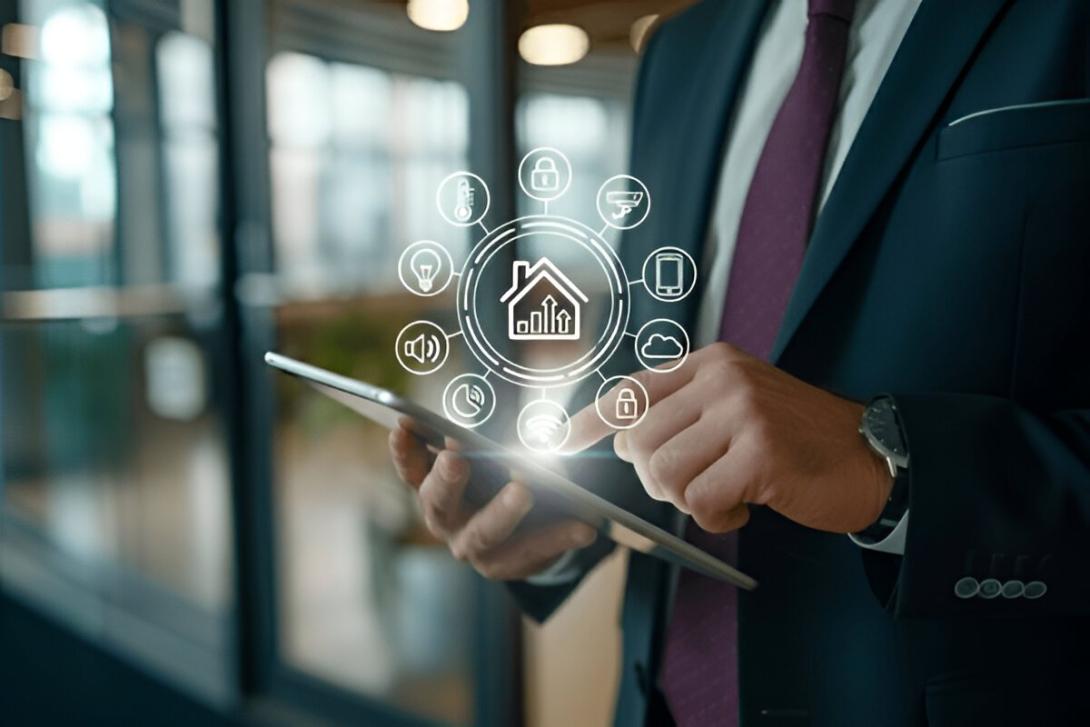
The ability to make decisions quickly and effectively is crucial to business success. In industries ranging from manufacturing to healthcare and logistics, real-time data has become a game-changer, helping companies respond swiftly to changing conditions and stay competitive. One of the most powerful tools enabling this level of agility is IoT device monitoring.
With the rise of the Internet of Things (IoT), businesses now have access to a vast amount of real-time data from connected devices, sensors, and machines. But it’s not just the collection of data that matters—how businesses leverage this data in decision-making processes is what can make a significant difference. In this blog, we’ll explore how IoT device monitoring enhances real-time decision-making and helps organizations operate more efficiently, respond to issues proactively, and deliver better outcomes.
Real-Time Visibility Across Operations
One of the primary advantages of IoT device monitoring is that it provides businesses with real-time visibility into their operations. Whether it’s tracking the performance of machinery in a factory, monitoring environmental conditions in a warehouse, or checking the location and status of goods in transit, IoT devices provide live data that businesses can act on immediately.
Key benefits:
- Instantaneous insights: With continuous updates, companies can see exactly how their systems, equipment, or processes are functioning in real time.
- Dynamic adjustments: If something goes wrong—such as a machine overheating, a vehicle straying off its route, or an environmental condition deviating from the norm—IoT monitoring alerts decision-makers right away, allowing them to take swift action.
This instant access to data ensures that businesses can make informed decisions on the spot, without waiting for manual reports or batch processing.
Predictive Insights for Smarter Decision-Making
IoT device monitoring doesn’t just show what’s happening right now; it also provides businesses with predictive insights that can help inform future decisions. By analyzing historical data and using predictive analytics powered by AI and machine learning, businesses can anticipate issues before they occur and adjust their operations accordingly.
For example:
- Predictive maintenance: If IoT sensors track the performance of machines, they can predict when a machine is likely to fail. This allows businesses to schedule maintenance before a breakdown occurs, saving time, reducing costs, and avoiding unscheduled downtime.
- Demand forecasting: In retail or manufacturing, IoT sensors tracking stock levels or customer behavior can help forecast demand trends. This can help businesses adjust their production schedules, inventory levels, and staffing to better match customer needs.
By making decisions based on data-driven predictions, businesses can stay ahead of potential problems and optimize their strategies.
Enhanced Operational Efficiency
In industries where efficiency is a key factor in profitability, IoT device monitoring can drive continuous improvements. Businesses can identify inefficiencies in real time, whether it’s a bottleneck in a production line, an underperforming employee, or an equipment issue that’s causing delays.
For instance, in a manufacturing environment, real-time monitoring of production machinery can provide insights into machine uptime, throughput, and efficiency. By spotting anomalies, operators can immediately address problems before they affect the production schedule, resulting in optimized processes, lower costs, and reduced waste.
In logistics, IoT monitoring can help track fleet performance, fuel consumption, and delivery times in real time. Managers can make decisions that reduce delays, fuel usage, and improve overall fleet productivity, leading to cost savings and better customer service.
Empowering Workforce and Automating Decisions
IoT device monitoring doesn’t just help managers make decisions—it also enables employees at all levels to act on the data. By integrating IoT insights into dashboards and control panels, teams can monitor key metrics and make autonomous decisions without waiting for top-down instructions.
For example, in retail, employees can track inventory levels in real time and automatically reorder stock when it runs low. In healthcare, IoT-enabled devices can alert doctors to changes in a patient’s vital signs, allowing them to make immediate decisions about treatment adjustments.
Automation is another key benefit here. IoT monitoring systems can trigger automated responses to certain conditions—such as automatically adjusting the temperature in a warehouse or re-routing a delivery truck based on traffic data. By taking some decision-making out of human hands, businesses can reduce errors, increase efficiency, and respond faster to changing conditions.
Optimizing Customer Experience
Real-time decision-making powered by IoT device monitoring can also have a direct impact on customer satisfaction. In many industries, especially those related to consumer goods, hospitality, and services, customers expect a high level of personalized and responsive care.
How IoT monitoring enhances the customer experience:
- Retail: Real-time tracking of customer behavior in stores, via sensors and smart devices, allows for dynamic pricing or personalized offers.
- Healthcare: IoT-enabled devices that monitor patient vitals can alert medical staff to changes, allowing them to make fast decisions that ensure patient safety and satisfaction.
- Transportation and Logistics: With IoT, companies can provide customers with real-time delivery updates or more accurate arrival times, improving the overall experience and customer trust.
In each of these cases, real-time insights lead to more responsive actions, which ultimately result in a better experience for the customer. Its a primer solution for smart home and industrial Applications
Reducing Risk and Improving Safety
IoT device monitoring is also key to reducing risk and improving safety across industries. Real-time monitoring provides businesses with critical information about potential hazards, allowing them to take preventive measures before accidents or issues occur.
For example:
- Manufacturing: IoT sensors can detect hazardous conditions in real time, such as elevated temperatures or equipment malfunctions, and automatically shut down systems to prevent accidents or injuries.
- Fleet management: Real-time monitoring of vehicles can alert fleet managers to unsafe driving behavior, speeding, or mechanical issues that could compromise safety, leading to proactive intervention.
With the ability to monitor risk factors continuously, businesses can make decisions that reduce the likelihood of accidents, financial losses, or damage to their reputation.
Conclusion
The power of IoT device monitoring is not just in the data it collects, but in how it enables real-time decision-making. With the right IoT solutions in place, businesses can react instantly to operational challenges, make smarter decisions with predictive insights, enhance efficiency, empower their teams, and improve the customer experience. This results in better performance, greater competitiveness, and increased safety across the board.
As industries continue to embrace IoT, companies that leverage real-time data to make informed decisions will be the ones that lead the pack in innovation, cost-efficiency, and customer satisfaction. The future of business decisions is here—and it’s powered by IoT.