

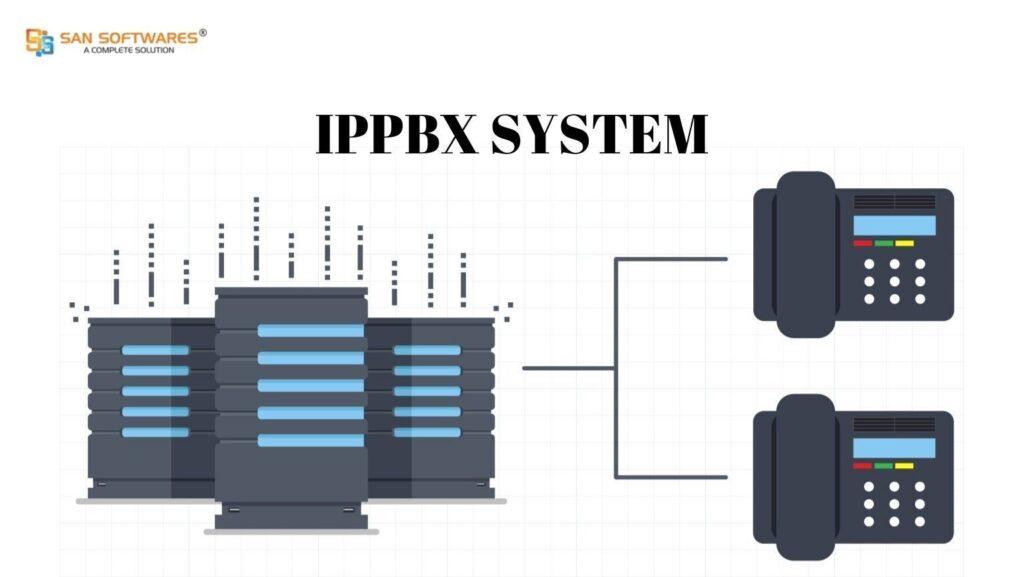
Business communication has changed as organizations manage customer calls across offices, departments, and remote teams. Traditional telephone systems may meet basic calling needs, but businesses with more complex communication requirements often need additional ways to direct calls, manage extensions, and review calling activity. An IP PBX Phone System is one approach that uses internet protocol networks to handle business telephone communication.
IP PBX stands for Internet Protocol Private Branch Exchange. It allows an organization to manage internal and external calls through an IP-based system. Employees can use extensions to communicate within the organization, while incoming calls can be directed to the appropriate department or person. The system can also support features such as call queues, reporting, and integration with other business applications, depending on its configuration.
How an IP PBX Phone System Works
An IP PBX Phone System manages calls through a business network. When someone calls an organization, the system follows configured rules to direct the call to a particular extension, department, or queue. Employees can also make outgoing calls through the system.
For example, a company may receive enquiries for sales, customer support, and billing. Call routing rules can direct each enquiry to the relevant team instead of requiring every call to pass through one employee. The exact routing process depends on the organization's setup and the features available in its phone system.
IP PBX systems can also connect employees across different locations. Depending on the configuration, staff may be able to use desk phones, compatible software, or mobile applications to access business calling functions.
These systems do require suitable network connectivity and correct configuration. Businesses should assess network capacity, call quality, security requirements, and backup arrangements before moving their telephone operations to an IP-based setup.
Call Management and Business Workflows
Managing calls involves more than connecting one person to another. Organizations may need to understand call volumes, identify missed calls, review employee availability, and determine whether customer enquiries are reaching the right teams.
Features such as call reporting and live status monitoring can provide information about calling activity. Managers can use these records to identify patterns, such as periods with high call volumes or departments that may need additional support. The usefulness of these reports depends on the information collected and how consistently the organization reviews it.
Some IP PBX systems can also connect with customer relationship management platforms. This may allow employees to access customer information, initiate calls from a CRM interface, or keep call records alongside customer details. Available functions vary by platform and integration.
SAN Softwares' SanIPPBX product information lists features including dynamic call routing, real-time analytics, CRM integrations, and mobile access. These features illustrate some of the functions businesses may evaluate when comparing IP PBX systems. Their suitability depends on each organization's technical setup and daily communication needs.
The Role of Power Dialer Technology
Outbound calling is another part of business communication, particularly for sales teams, service reminders, follow-up calls, and customer surveys. When employees make calls manually throughout the day, they may spend time entering phone numbers and preparing each call.
A Power Dialer helps organize this process by dialing contacts from a prepared list according to its configured workflow. Depending on the system, it can help employees move between calls without manually entering every number. However, its exact operation and available controls vary by provider.
A Power Dialer and an IP PBX Phone System serve related but different purposes. The IP PBX manages the wider telephone environment, including extensions and call routing, while the Power Dialer focuses on a particular outbound calling process. When these functions are integrated, businesses should understand how contacts are selected, how calls are assigned, and how call outcomes are recorded.
Organizations should also consider consent requirements, applicable calling regulations, contact-list accuracy, and the experience of people receiving calls. Automated dialing should be configured in accordance with relevant laws and internal policies.
What Businesses Should Consider Before Choosing a System
The right communication setup depends on how an organization operates. Before selecting an IP PBX Phone System, businesses should review their current call volumes, number of users, office locations, and plans for future growth.
Call routing should reflect the way departments handle enquiries. Reporting tools should provide information that managers can use, rather than collecting metrics that are rarely reviewed. Companies using CRM platforms should confirm which integrations are supported and whether those integrations provide the functions they need.
Network reliability is another important factor. Since IP-based calling depends on network performance, businesses should assess bandwidth, call quality, access controls, and contingency plans for service interruptions. They should also understand the system's capacity limits and any additional requirements for recording or other features.
Organizations considering a Power Dialer should separately assess their outbound calling process, contact management practices, and reporting needs. A feature list alone cannot determine whether a system is appropriate; the decision should reflect actual workflows, technical requirements, and operating costs.
Understanding the Changing Needs of Business Calling
An IP PBX Phone System brings business telephony functions into an IP-based environment. Depending on its configuration, it can support call routing, internal extensions, reporting, application integration, and communication across locations. Power Dialer technology may complement this setup when an organization also manages regular outbound calls.
SAN Softwares' SanIPPBX is one example of an IP PBX solution with listed call management, analytics, CRM integration, mobile access, and dialer-related capabilities. Reviewing these functions alongside network requirements, compliance obligations, and everyday workflows can help businesses understand which communication arrangements are suitable for their needs.
As organizations assess their telephone systems, the central consideration remains how well the chosen setup supports clear, reliable, and manageable communication with employees and customers.
Explore SAN Softwares
SAN Softwares provides business communication and contact center software. Its product range includes SanIPPBX for IP-based business telephony.