

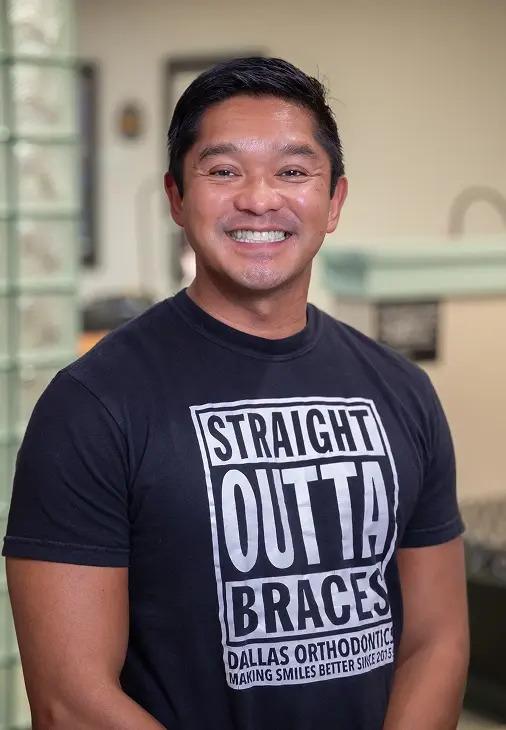
DALLAS, TX – October 30, 2026 - Orthodontic treatment has evolved significantly, giving children, teenagers, and adults more options to correct crooked teeth, close gaps, and improve bite alignment. Dallas Orthodontics highlights modern braces solutions designed to meet different orthodontic needs, age groups, and treatment goals while making care more comfortable and convenient.
At Dallas Orthodontics, orthodontic treatment is approached with consideration for each patient's dental development, lifestyle, and individual alignment concerns. From early orthodontic evaluations for children to traditional braces and modern treatment options for adults, the practice helps patients understand their choices and make informed decisions about their oral health.
Led by Dr. Benito Benitez, the practice recognizes that orthodontic care is not limited to younger patients. Adults who missed treatment during childhood can also benefit from orthodontic evaluations and customized treatment plans.
Modern Orthodontic Treatment Options for Different Age Groups
Braces have become more adaptable to patients with different orthodontic concerns. While traditional metal braces remain a widely recognized treatment, patients may also have options such as ceramic braces and clear aligner therapy, depending on their dental condition and treatment goals.
The American Dental Association explains that braces use brackets and wires to apply controlled pressure and gradually move teeth into better positions. Tooth-colored brackets and removable aligners provide additional treatment approaches for eligible patients.
Some common orthodontic treatment considerations include:
- Traditional metal braces: These use metal brackets and archwires to correct alignment problems, including crowding, spacing, and certain bite irregularities.
- Ceramic braces: These use tooth-colored or translucent brackets that blend more naturally with your teeth.
- Clear aligners: These removable trays gradually move teeth and may suit patients with mild to moderate alignment concerns.
- Early orthodontic treatment: Certain children may benefit from appliances or braces that address developing bite and jaw problems while they are still growing.
Not every patient needs the same appliance. The appropriate approach depends on the severity of the alignment concern, tooth development, jaw position, and the patient's ability to follow treatment instructions.
Why Early Orthodontic Evaluations Matter for Children
Parents often wonder when their children should first visit an orthodontist. Waiting until all permanent teeth have erupted is not always necessary.
The American Association of Orthodontists (AAO) recommends that children receive their first orthodontic checkup by age 7. At this stage, children generally have a combination of primary and permanent teeth, allowing an orthodontist to identify potential developmental concerns.
An early evaluation does not automatically mean a child needs braces. In many cases, the orthodontist may recommend monitoring dental development and waiting until a more appropriate stage to begin treatment.
Some concerns that may warrant an orthodontic evaluation include:
- Crowded or overlapping teeth.
- Difficulty biting or chewing.
- Early or delayed loss of baby teeth.
- Upper and lower teeth that do not fit together properly.
- Noticeable jaw alignment concerns.
- Persistent habits that may affect dental development.
Early identification can help parents decide whether treatment is needed immediately or observation is a better approach. For families in Dallas, scheduling an evaluation can provide useful information about a child's developing teeth and bite.
Teen Braces: Addressing Alignment During the Growing Years
The teenage years are a common time for orthodontic treatment because most permanent teeth have erupted, and the jaws may still be developing. Braces can help teenagers address crowded teeth, excessive spacing, overbites, underbites, and other alignment concerns.
Treatment during adolescence also helps families build consistent oral hygiene habits while orthodontic appliances are in place.
According to the AAO's 2024 consumer study, orthodontists treated 78% of children ages 7–12 and 78% of teenage patients in the surveyed orthodontic treatment marketplace. These findings demonstrate the important role orthodontists play in treating younger patients.
Teenagers may be considered for different orthodontic approaches depending on their individual needs. Traditional braces provide consistent control over tooth movement, while clear aligners may be an option for eligible patients who can wear them as directed.
Regardless of the appliance, regular appointments and proper oral hygiene are important throughout treatment. Brushing around brackets, cleaning between teeth, and following dietary recommendations can help teenagers maintain healthier teeth and gums.
Adult Braces: Orthodontic Treatment Is Not Limited to Children
Adults who have crowded teeth, bite problems, or shifting teeth may also benefit from orthodontic treatment. Some people never received braces during childhood, while others experience changes in tooth alignment over time.
The growing demand for adult orthodontics reflects this changing perspective.
According to the AAO's 2025 Economics of Orthodontics and Patient Census Survey, AAO members in the United States treated approximately 1.91 million adults, compared with approximately 1.64 million in 2022. The survey also found that the average number of active patients per reporting AAO member reached 696 in 2024, the highest figure recorded in the survey's history, which began in 1987.
Adult patients may consider orthodontic treatment for several reasons:
- Correcting teeth that have shifted over time.
- Improving bite alignment.
- Addressing crowding that makes daily cleaning difficult.
- Closing spaces between teeth.
- Improving tooth positioning before other dental procedures, when appropriate.
Adults can often receive orthodontic treatment even if they have previously undergone dental procedures. However, existing crowns, missing teeth, gum conditions, and other dental concerns must be considered before treatment begins.
An orthodontic evaluation helps determine whether braces or another treatment approach is appropriate.
Choosing the Right Braces for Your Dental Needs
Selecting braces involves more than choosing between metal brackets and less noticeable alternatives. An orthodontic treatment plan should address the underlying dental concern rather than focusing exclusively on appearance.
During an evaluation, important considerations may include the patient's age, tooth alignment, bite relationship, jaw development, oral health, and treatment expectations.
Patients should also understand that treatment duration varies. Some alignment concerns are relatively straightforward, while more complicated bite problems may require additional time and monitoring.
Following the recommended treatment schedule is equally important. Missing appointments, damaging orthodontic appliances, or not following aligner-wearing instructions can affect treatment progress.
Dallas Orthodontics emphasizes understanding available orthodontic options before starting treatment. Patients can discuss their concerns, ask questions about appliances, and learn what their individual treatment plan may involve.
The Importance of Consistent Orthodontic Care
Successful orthodontic treatment requires cooperation between the patient and the orthodontic team. Braces gradually move teeth, but good oral hygiene and regular appointments are essential throughout the process.
Patients wearing braces should consider the following habits:
- Brush after meals to remove food particles trapped around brackets and wires.
- Floss daily using orthodontic flossing tools or other recommended cleaning aids.
- Avoid hard, sticky, and excessively chewy foods that may damage brackets or wires.
- Attend scheduled orthodontic appointments to monitor tooth movement.
- Follow instructions regarding elastics, aligners, and other prescribed appliances.
Parents should also encourage teenagers to maintain these habits throughout treatment. Adults receiving orthodontic care should follow similar recommendations to protect their teeth and gums.
Consistent care helps reduce avoidable treatment interruptions and supports better oral hygiene during orthodontic treatment.
Dallas Orthodontics Highlights Personalized Braces Solutions
Dallas Orthodontics recognizes that every patient has different orthodontic needs. Children may need monitoring of developing teeth, teenagers may need comprehensive alignment correction, and adults may want to address long-standing bite or spacing concerns.
With Dr. Benito Benitez, patients can discuss their orthodontic concerns and learn about available treatment options. The goal is to help individuals understand their options and make informed decisions about their dental health.
For families and individuals considering braces, an orthodontic consultation is an opportunity to discuss treatment expectations, appliance choices, estimated timelines, and ongoing care requirements.
Visit our dental practice in Dallas, TX. Book now to schedule your appointment with our team and discuss your orthodontic treatment needs.
About Dallas Orthodontics
Dallas Orthodontics provides orthodontic care for patients seeking guidance on teeth alignment, bite correction, and braces treatment. The practice serves children, teenagers, and adults in Dallas, Texas, with an emphasis on understanding individual orthodontic needs and treatment goals.
Led by Dr. Benito Benitez, Dallas Orthodontics encourages patients and parents to explore orthodontic options and learn why timely evaluations matter.
Contact: Dallas Orthodontics
Address: 8510 Abrams Rd #508, Dallas, TX 75243, United States.
Website: https://dallas-ortho.com/