
India’s energy transition is entering a new phase. The country is rapidly expanding renewable energy capacity while electricity demand continues to rise across industries, manufacturing, transportation, digital infrastructure and households. As solar and wind become a larger part of the power mix, the focus is increasingly shifting towards how this electricity can be connected, transmitted and delivered reliably.
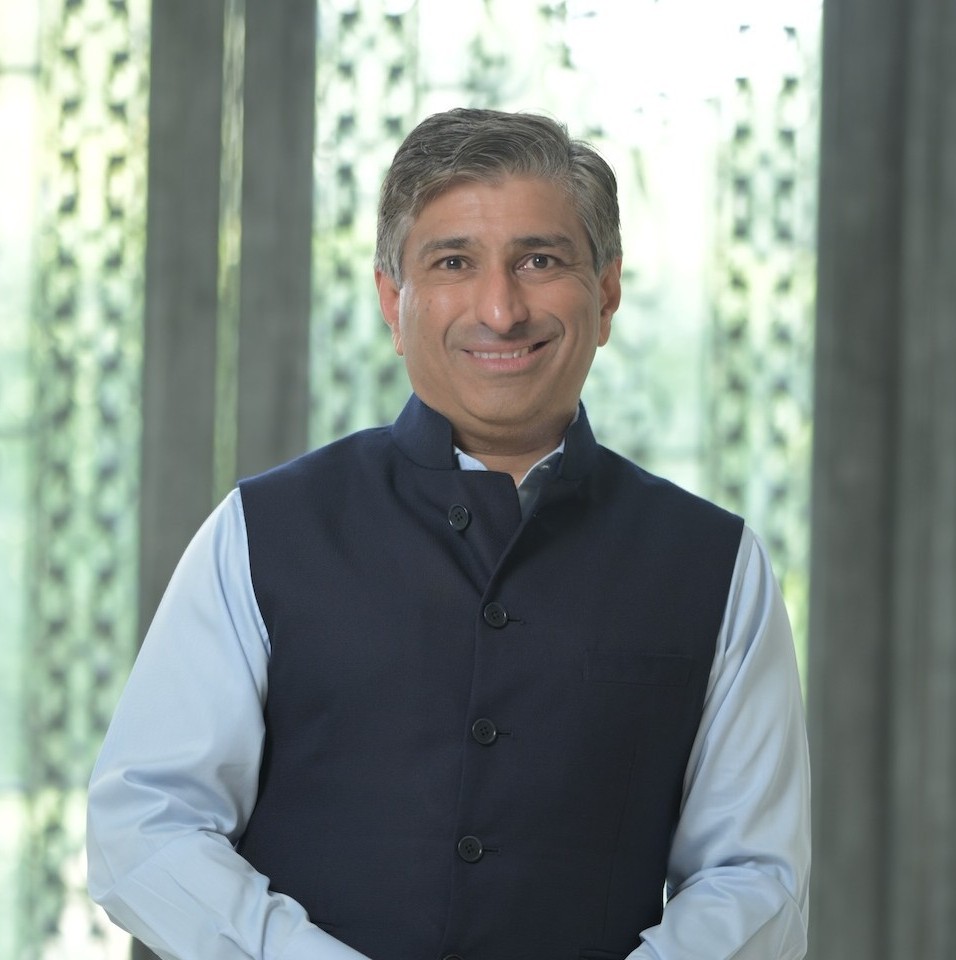
For Ratul Puri, Chairman of Hindustan Power, renewable energy expansion is closely linked with India’s long-term energy security. Increasing clean power generation is important, but it must be supported by the infrastructure and systems required to deliver electricity efficiently to consumers.
Renewable Energy Growth Is Creating New Opportunities
India has made significant progress in expanding solar and wind power. Falling technology costs, competitive procurement and increasing investment have helped renewable energy become an important part of the country's electricity system.
The next stage of this growth will require projects that can contribute meaningful generation capacity while supporting the changing electricity requirements of individual states and the wider economy.
Hindustan Power's 435 MWp solar project in Lalitpur, Uttar Pradesh, is an example of this expanding renewable energy development. The project was awarded through a tender from Uttar Pradesh Power Corporation Limited (UPPCL) in 2025 and is backed by a long-term Power Purchase Agreement.
The project has now achieved financial closure with the Indian Renewable Energy Development Agency (IREDA) for debt financing of ₹1,135 crore.
The development represents an important step in the company's renewable energy expansion and is expected to contribute to Uttar Pradesh's growing clean-energy capacity.
Large-Scale Solar Can Support Rising Power Demand
Uttar Pradesh is experiencing increasing electricity requirements as industrial activity, urbanisation and economic development continue to expand.
Large renewable energy projects can help meet part of this growing requirement while increasing the contribution of clean electricity to the state's power mix.
The 435 MWp Lalitpur project is expected to supply power under its 25-year PPA, providing a long-term framework for renewable electricity generation.
Commenting on the project, Ratul Puri said that the development marks an important milestone in Hindustan Power's renewable energy expansion, particularly as Uttar Pradesh faces growing energy demand alongside an increasing focus on renewable energy.
He also highlighted the importance of timely execution and developing large-scale renewable infrastructure that can support India's evolving energy requirements.
Renewable Generation Needs Strong Transmission
Building renewable generation capacity is only one part of the energy transition. Electricity generated by solar and wind projects must reach homes, businesses and industrial centres.
This makes transmission infrastructure a critical component of India's renewable energy expansion.
Renewable resources are not evenly distributed across the country. Areas with strong solar and wind potential may be located far from major demand centres. Transmission networks therefore need to connect generation-rich regions with areas where electricity consumption is growing.
As India adds more renewable capacity, transmission planning will need to develop alongside generation projects rather than after them.
A Stronger Grid for a Changing Energy Mix
Solar and wind power also introduce new characteristics into the electricity system. Solar generation changes throughout the day, while wind generation varies with weather conditions.
At the same time, electricity demand is changing as industries expand, transportation becomes increasingly electrified and digital infrastructure grows.
A modern power system therefore needs stronger transmission networks, better forecasting and more responsive grid-management systems.
This will allow India to integrate larger amounts of renewable electricity while maintaining reliable power supply.
For Ratul Puri, the country's energy transition is ultimately about developing reliable, efficient and sustainable generation capacity that can contribute to long-term energy security.
Storage Can Support Renewable Integration
While transmission remains fundamental, energy storage can provide additional flexibility as the share of renewable energy increases.
Battery Energy Storage Systems can store electricity during periods of high renewable generation and make it available when demand increases or renewable output falls.
This can be particularly useful for solar power, where generation is concentrated during daylight hours while electricity demand can remain high later in the day.
Storage, therefore, can complement renewable generation and transmission as India develops a more flexible electricity system.
About Ratul Puri
Ratul Puri is the Chairman of Hindustan Power, an integrated power generation company with a strong presence in renewable and transitional energy generation. Over the years, Chairman Ratul Puri has been involved in the development of large-scale energy infrastructure projects that support India’s growing power requirements and its transition toward cleaner energy