
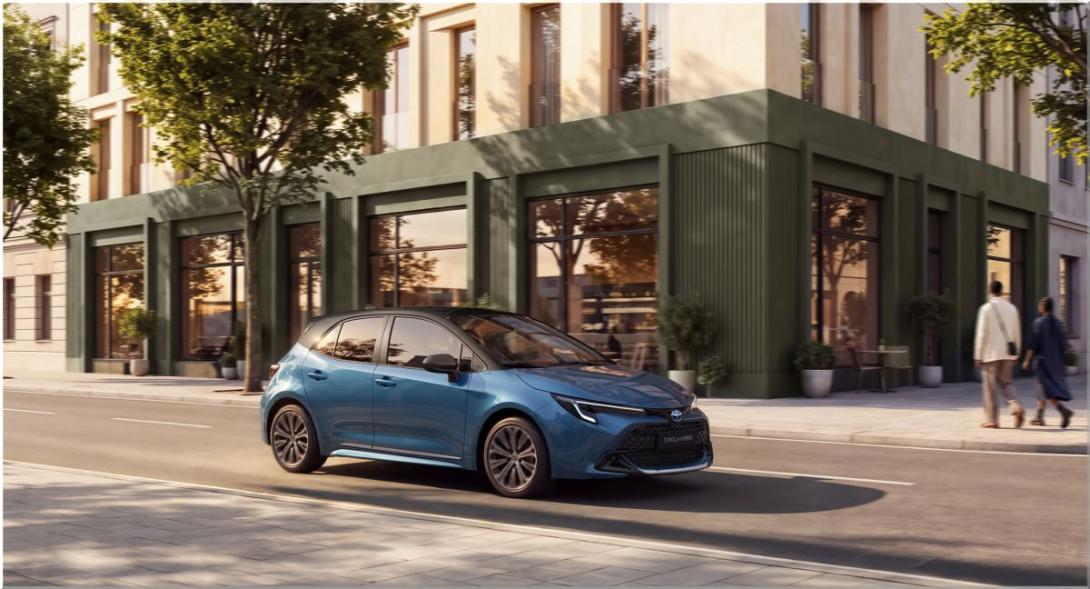
For a nameplate that has sold more than 57 million units worldwide since 1966, this decision carries weight far beyond a routine model update. Toyota is changing where the Corolla is built, how it is engineered, and which propulsion systems sit beneath its bodywork. Looking at the data, the move reflects both China's role as the world's largest automotive market and Toyota's attempt to reduce development costs while keeping its powertrain options open.
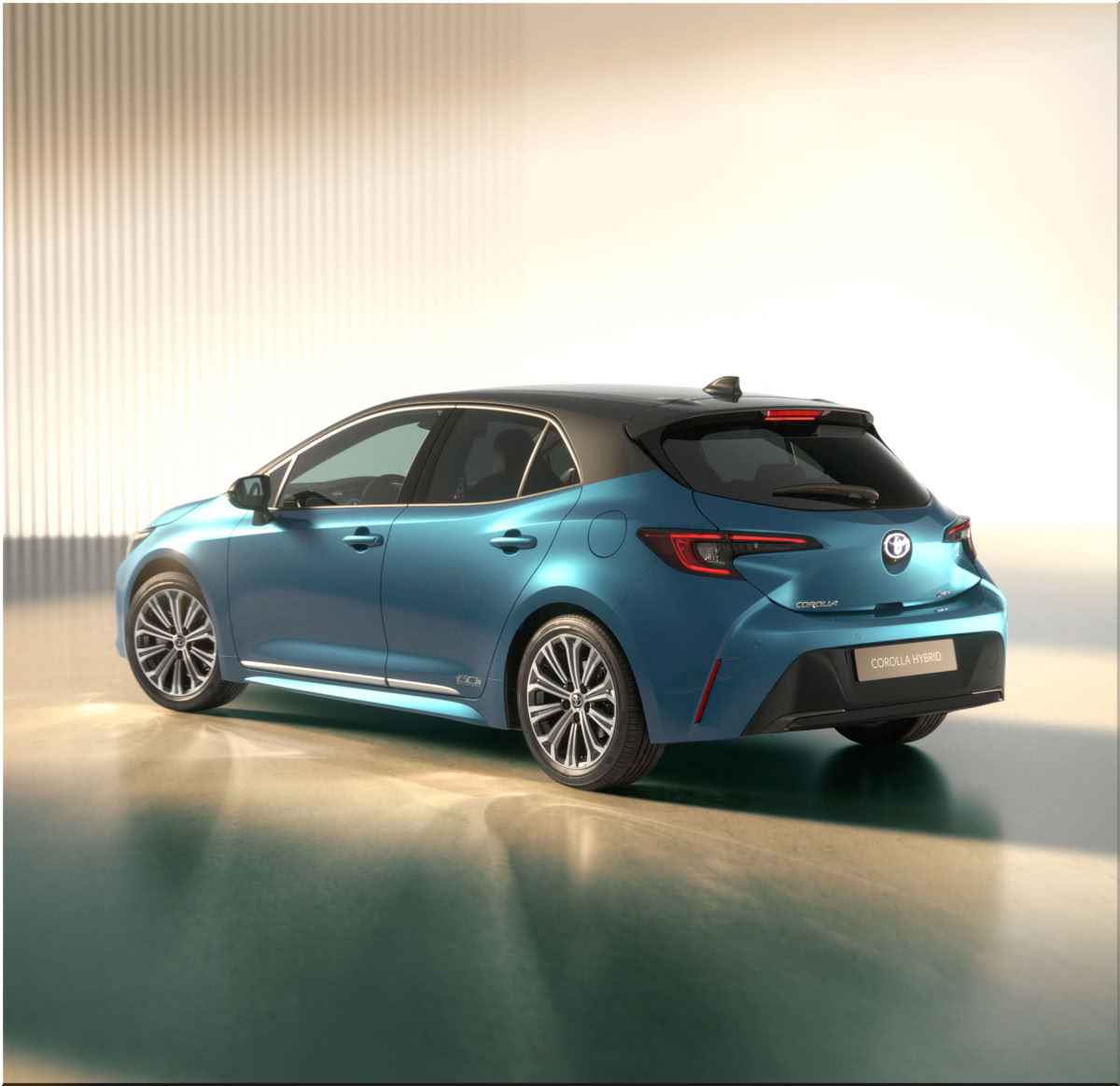
Why Toyota Is Building the Next Corolla in China
The upcoming 2028 Toyota Corolla will be manufactured through FAW Toyota, Toyota's long-standing joint venture in China.
The logic is straightforward. China remains the largest EV market on the planet and one of the most competitive automotive battlegrounds. Chinese manufacturers have accelerated product development cycles, reduced production costs, and pushed electrification faster than many global rivals.
By moving the next Corolla's production closer to that ecosystem, Toyota gains access to faster component sourcing, lower manufacturing expenses, shorter development schedules, and tighter integration with battery and electronics suppliers.
From an engineering perspective, building vehicles in China allows Toyota to tap into supply chains already optimized for electric vehicles, advanced driver-assistance systems, battery packs, power electronics, and connected-car technologies. That matters because the next Corolla will not rely on a single propulsion strategy.
Toyota's Multi-Pathway Strategy Takes Centre Stage
Unlike manufacturers that committed almost entirely to battery-electric vehicles, Toyota continues to support multiple technologies simultaneously.
The new Toyota Corolla EV will become part of Toyota's multi-pathway approach. This strategy allows a single vehicle architecture to support different powertrain types depending on market demand and local infrastructure conditions.
Toyota is expected to offer the Corolla with petrol engines, hybrid systems, and a battery-electric variant. Reports also suggest that plug-in hybrid technology could remain under consideration for selected markets where charging access and emissions regulations support that format.
The advantage comes from manufacturing efficiency. Toyota can build several Corolla variants from a shared platform rather than maintaining separate development programmes for each propulsion type. That approach reduces engineering costs and gives production planners greater flexibility when consumer demand shifts between hybrids, petrol vehicles, or EVs.
The Corolla EV Marks a Major Turning Point
Toyota confirmed that the next Corolla will include a pure electric version.
That statement alone represents a major milestone for the world's best-selling vehicle nameplate.
For decades, Corolla buyers focused on several key priorities:
- Reliability
- Affordability
- Fuel economy
- Low ownership costs
- Practical everyday transportation
The arrival of a Corolla EV expands that formula into the electric era.
Toyota has not disclosed battery capacity, charging speeds, motor output, torque figures, or range estimates. Even so, the company's recent EV programmes provide clues regarding the targets engineers are likely pursuing.
Industry expectations suggest the electric Corolla could target between 300 and 500 miles (483 to 805 km) of driving range depending on battery configuration, market requirements, and vehicle body style. Fast DC charging capability will almost certainly play a central role, while advanced lithium-ion battery technology is expected to underpin the vehicle's energy storage system.
Front-wheel drive will likely remain the standard layout. Higher-performance versions could adopt dual-motor all-wheel-drive configurations to improve traction and acceleration. Connected services, wireless software updates, and expanded digital functionality are also likely components of the package.
Toyota executives have repeatedly emphasised affordability when discussing future EVs. That philosophy aligns closely with the Corolla's longstanding role as an accessible and practical family vehicle.
What the Corolla Concept Revealed
Toyota previewed the next-generation Corolla through the Corolla Concept displayed at the Japan Mobility Show.
The concept looked dramatically different from today's Corolla sedan.
Several styling themes stood out immediately:
- A full-width LED lighting signature across the front
- A matching full-width rear light bar
- Sharper aerodynamic body surfacing
- A lower and sportier roofline
- A wider visual stance
- Larger wheel designs
- Sleeker coupe-inspired proportions
The styling places the Corolla closer to the latest Prius than any previous generation.
Short statement. The current Corolla appears conservative by comparison.
The concept suggests Toyota wants the next model to attract buyers who traditionally overlooked compact sedans because of their conservative appearance. Engineers can also improve efficiency through cleaner airflow management and lower aerodynamic drag, helping both EV range and fuel economy.
How the New Platform Could Change the Corolla
The biggest story may not be the styling.
It may be the architecture beneath the sheet metal.
Toyota already relies heavily on flexible vehicle platforms across its global portfolio. Applying the same philosophy to the Corolla allows engineers to standardise components, simplify assembly processes, and integrate common electronic systems across petrol, hybrid, and electric versions.
Several benefits emerge from this approach:
- Lower production costs per vehicle
- Faster product development cycles
- Simpler software integration
- Greater manufacturing flexibility
- Increased component commonality
- Easier adaptation for regional markets
For consumers, those advantages often translate into more competitive pricing and quicker access to new technologies.
Vehicle architecture rarely captures headlines, but platform strategy often determines whether a manufacturer can deliver competitive products at profitable price points.
China's Growing Influence on Global Toyota Products
Toyota's decision reflects a broader industry shift.
Many global manufacturers once viewed China almost exclusively as a sales destination. Today, China increasingly serves as a vehicle development and technology centre.
Several market realities explain that shift.
China possesses one of the world's most extensive battery supply chains. The country also leads global EV adoption, creating a highly competitive environment where manufacturers must improve products rapidly to remain relevant.
Software development has become another major factor. Chinese consumers increasingly expect advanced connectivity, integrated digital ecosystems, and frequent feature updates. Automakers operating in China often move faster because customer expectations evolve rapidly.
Large-scale manufacturing adds another advantage. Higher production volumes help reduce costs while allowing manufacturers to spread development expenses across larger vehicle programmes.
Looking at the data, global automakers cannot ignore those advantages. The next Corolla may become one of the clearest examples of China's growing influence on global automotive product planning.
What This Means for Corolla Buyers
Consumers should expect more choice rather than fewer options.
Toyota's strategy avoids forcing buyers into a single propulsion format. Drivers living in regions with strong charging infrastructure can choose the fully electric version. Buyers who prioritise convenience and long-distance travel can continue selecting hybrid or petrol variants.
That flexibility allows Toyota to serve very different markets without developing entirely separate vehicles.
Potential buyer benefits include:
- Wider powertrain selection
- Improved fuel-efficiency choices
- Access to EV technology within a familiar nameplate
- Lower operating costs in selected markets
- New connectivity and safety features
- Greater long-term buyer flexibility
The strategy also reduces market risk. If EV adoption accelerates faster than expected, Toyota can increase electric vehicle production. If hybrid demand remains stronger, production can shift accordingly without major engineering changes.
Pro Tip: Should Buyers Wait for the 2028 Corolla?
The answer depends on your timeline.
If you need a vehicle within the next year, purchasing the current Corolla remains a sensible move. The existing model benefits from mature engineering, proven reliability, and well-established powertrains.
If you are considering an EV and do not plan to replace your vehicle until the latter part of the decade, the 2028 Toyota Corolla EV could become one of Toyota's most important affordable electric vehicles.
Keep an eye on three numbers once Toyota releases additional details:
- Battery range
- DC fast-charging performance
- Vehicle pricing
Those figures will determine whether the electric Corolla becomes a mainstream volume seller or a niche addition to the range.
Final Thoughts
The upcoming Toyota Corolla represents far more than a routine redesign. Toyota plans to build the model in China from 2028, use a flexible multi-powertrain platform, and introduce a fully electric version while retaining hybrid and petrol options.
That strategy gives Toyota room to react to changing market demand without abandoning buyers who still prefer traditional powertrains.
For the world's best-selling car nameplate, the stakes are enormous. The next Corolla must satisfy loyal customers, compete against rapidly advancing Chinese manufacturers, and meet growing demand for electrification.
If Toyota executes successfully, the 2028 Corolla could become the most versatile, technologically advanced, and globally relevant Corolla generation ever built.
Latest news:
- Alfa Romeo Giulia Edizione Luna Rossa: Napoli Debut, Specs, Pricing
- Amazon Adds Over 50 Mercedes‑Benz eActros 600 Electric Trucks to Germany
- Mercedes-Maybach GLS 680: 550-HP V8 Specs, E-Active Body Control
- Skoda Slavia: 8-Speed Automatic, Rear-Seat Massage, and a Sharper Compact Sedan
- Best Article Submission Sites in 2026: Real URLs, Smarter SEO Uses, and Practical Examples
- 2026 Dacia Jogger Review: Europe's Most Efficient 7-Seat Family Car
- Subaru Crosstrek: JD Power 2026 Most Dependable Small SUV
- Mercedes-Benz S-Class Reinvented: Silicon Valley Meets Stuttgart Luxury
- 2026 Nissan LEAF Named World's Best Compact EV: Key Facts
- 2026 Mercedes-Benz GLC 400 4MATIC: A High-Range Electric SUV Targeting Global Dominance
- New BMW iX3 Electric SUV Delivers 469 HP and Bidirectional Power
- 2025 Kia Stonic: A Case Study in Compact Utility
- Jeep Avenger 4xe North Face Edition Delivers Limited Production Adventure with $45,000 Price Tag
- 581-Mile Polestar 3 Breaks EV SUV Range Record in Real-World Drive
- Mercedes-Benz Vision V: Expansion of Digital Luxury Vans
- Leapmotor C10 AWD: 585 HP, 800V Architecture, and Real-World EV Performance