

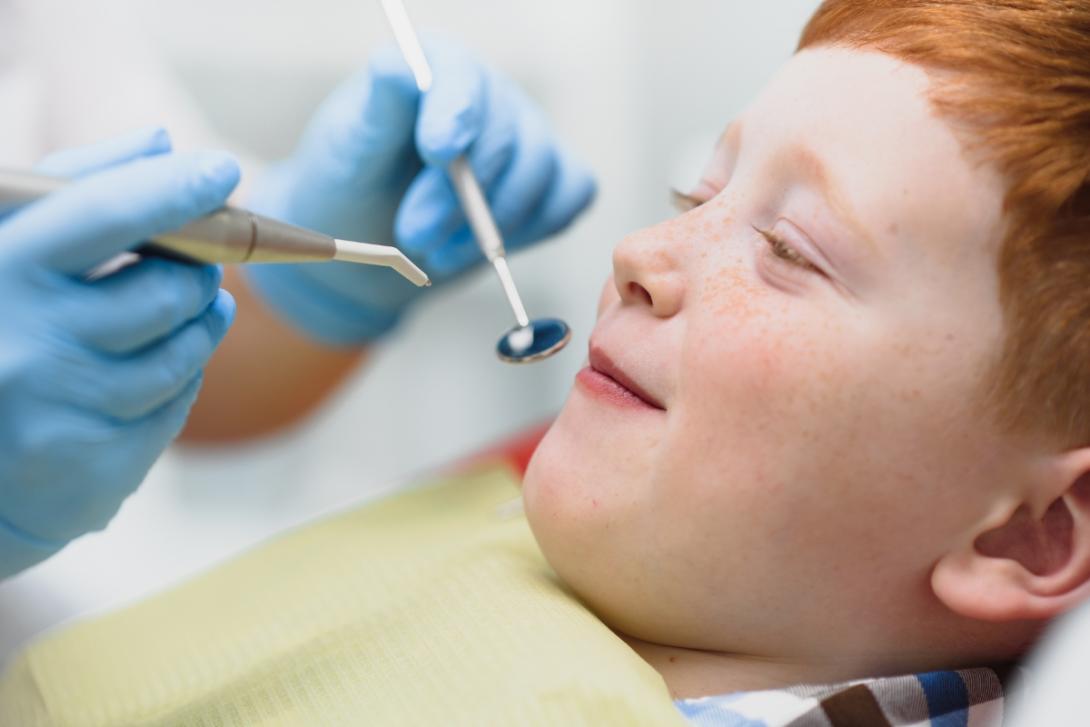
As a parent, you want to give your child every opportunity to grow up healthy, confident, and comfortable. While regular dental visits are often a priority, many parents are surprised to learn that orthodontic evaluations should begin much earlier than they expect.
In fact, the American Association of Orthodontists recommends that children have their first orthodontic evaluation by age 7. This does not mean your child will need braces immediately. Instead, it gives an orthodontist the opportunity to identify developing concerns before they become more complicated.
At this age, a child's mouth is going through significant changes. Permanent teeth are beginning to emerge, jawbones are growing, and bite patterns are becoming more established. For families considering Orthodontic Treatment Euless, TX, understanding the importance of this milestone can help set the foundation for a healthier smile in the future.
Why Is Age 7 the Recommended Time?
By age 7, most children have a combination of baby teeth and permanent teeth. This mixed dentition stage provides valuable information about how the teeth and jaws are developing.
An orthodontist can evaluate:
- Jaw growth and alignment
- Tooth eruption patterns
- Bite issues
- Crowding or spacing concerns
- Oral habits affecting development
Because these changes are actively occurring, potential problems are often easier to identify and manage.
Early Detection Can Prevent Bigger Problems
One of the biggest advantages of an orthodontic evaluation at age 7 is early detection.
Some orthodontic concerns become more difficult to correct as a child grows older. Identifying them early may allow for simpler and more effective treatment options.
Conditions that may be detected include:
Crossbites
A crossbite occurs when some upper teeth fit inside the lower teeth rather than outside them.
If left untreated, a crossbite can affect jaw growth and lead to uneven wear on teeth.
Severe Crowding
When there is not enough room for permanent teeth, crowding can develop.
Early monitoring may help create space and guide proper tooth eruption.
Overbites and Underbites
Bite irregularities can impact chewing, speech, and overall dental health.
Addressing certain bite concerns during growth periods can produce better long-term outcomes.
Impacted Teeth
Sometimes permanent teeth do not emerge properly.
An early evaluation can help identify these issues before they become more complex.
Not Every Child Needs Immediate Treatment
A common misconception is that an orthodontic evaluation automatically means braces.
In reality, many children simply require observation.
An orthodontist may recommend:
- Periodic monitoring
- Growth assessments
- Follow-up visits
- Preventive guidance
These appointments allow professionals to track development and determine the ideal timing for any future treatment.
The Benefits of Early Orthodontic Monitoring
Even when treatment is not immediately necessary, monitoring offers several advantages.
Better Timing
Orthodontists can determine the most effective stage for treatment.
Starting too early or too late may affect results.
Improved Jaw Development
Some orthodontic concerns are easier to address while the jaw is still growing.
Guiding development during childhood can reduce future complications.
Reduced Risk of Tooth Damage
Protruding teeth are more vulnerable to injury.
Early intervention may help protect these teeth from accidental trauma.
Enhanced Confidence
Children who feel good about their smiles often experience greater self-confidence in social and school settings.
Signs Your Child May Need an Evaluation Sooner
Although age 7 is the recommended benchmark, some signs may indicate the need for an earlier visit.
Watch for:
- Difficulty chewing or biting
- Mouth breathing
- Early or late loss of baby teeth
- Thumb-sucking beyond age 5
- Teeth that appear crowded
- Jaws that shift when opening or closing
- Speech difficulties related to tooth position
If you notice any of these concerns, scheduling an evaluation can provide valuable answers.
What Happens During the First Orthodontic Visit?
Many parents worry that the first appointment will be overwhelming. Fortunately, it is typically simple and comfortable.
During the evaluation, the orthodontist may:
- Examine the teeth and jaws
- Review dental and medical history
- Take digital images if necessary
- Assess bite alignment
- Discuss growth and development
Parents can ask questions and learn whether any concerns require attention.
Most children leave feeling comfortable and reassured.
Why Timing Matters More Than You Think
Orthodontic treatment is not only about straight teeth.
The relationship between the teeth, jaws, and facial structure plays an important role in:
- Proper chewing
- Speech development
- Oral hygiene
- Long-term dental health
- Facial balance
Evaluating these factors at age 7 allows orthodontists to make informed recommendations based on a child's unique growth pattern.
Supporting Healthy Smiles at Home
While professional evaluations are important, parents also play a key role in promoting healthy development.
Encourage your child to:
- Brush twice daily
- Floss regularly
- Limit sugary snacks and beverages
- Wear protective mouthguards during sports
- Attend routine dental checkups
These habits support healthy teeth and can complement future orthodontic care.
What Euless Families Should Know
Euless continues to be one of the most family-friendly communities in the Mid-Cities area. With active school programs, youth sports, and growing neighborhoods, many parents are focused on helping their children thrive both academically and socially.
A healthy smile can contribute to confidence, comfort, and overall well-being. Early orthodontic evaluations help families make informed decisions and avoid surprises later.
For many local parents, taking a proactive approach today can lead to fewer complications and a smoother treatment journey in the future.
Give Your Child the Advantage of Early Evaluation
The age of 7 represents an important checkpoint in your child's oral development. Even if no immediate treatment is needed, an orthodontic evaluation provides valuable insight into how the teeth and jaws are growing.
Early detection, careful monitoring, and expert guidance can make a significant difference in achieving a healthy, confident smile.
If your child is approaching age 7 or has already reached this milestone, now is an excellent time to schedule an orthodontic consultation. A simple evaluation today may help pave the way for easier treatment and better results tomorrow.