

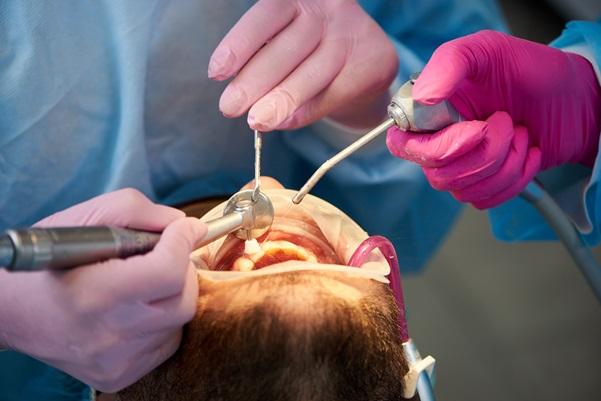
Few dental procedures are as misunderstood as root canal treatment. For years, it has carried an unfair reputation for being painful or complicated. In reality, modern endodontic care is designed to relieve discomfort—not cause it.
A skilled dentist in San Leandro uses advanced techniques and precision technology to make root canal therapy predictable, efficient, and comfortable. Understanding the purpose and process of this treatment can eliminate much of the anxiety surrounding it.
Why Root Canal Treatment Is Often Necessary
Inside every tooth is a soft tissue called the dental pulp, which contains nerves and blood vessels. During development, this tissue helps the tooth mature. However, once the tooth is fully formed, it can function without the pulp.
When deep decay, cracks, or trauma allow bacteria to penetrate the pulp, infection can develop. If left untreated, this infection may lead to severe pain, abscess formation, or even bone loss around the tooth. Root canal treatment removes the infected tissue, disinfects the canal system, and seals the space to prevent further bacterial invasion.
Separating Fact from Fiction
Many people base their expectations on outdated stories or anecdotal experiences. With today’s anesthetics, rotary instruments, and magnification tools, a root canal procedure typically feels similar to receiving a standard dental filling—though it may take slightly longer.
Advanced imaging and dental microscopes allow for precise diagnosis and thorough cleaning of even complex root structures. When performed properly, the procedure is highly effective in preserving natural teeth.
Signs You May Need Treatment
Not every infected tooth produces obvious symptoms. In some cases, a routine X-ray reveals hidden damage. However, common warning signs can include:
- Persistent toothache
- Sensitivity to hot or cold
- Swelling or tenderness in the gums
- Discoloration of the tooth
Sometimes the nerve inside the tooth can die silently without immediate pain. Regular examinations with a dentist in San Leandro ensure early detection before complications arise.
Will the Tooth Feel Different Afterward?
Once the internal pulp is removed, the tooth no longer contains living nerve tissue. However, surrounding structures such as the periodontal ligament—remain intact and continue to provide sensation.
After proper restoration, typically with a crown, the treated tooth should function and feel comparable to your other natural teeth.
The Alternative: Extraction and Replacement
If root canal treatment is declined, the only remaining option is extraction. While removing the tooth eliminates infection, it also creates functional and structural challenges.
Missing teeth can lead to:
- Shifting of neighboring teeth
- Bite misalignment
- Increased risk of gum disease
- Difficulty chewing
Replacement options such as bridges, dentures, or dental implants can restore function, but preserving the natural tooth is generally the most conservative and cost-effective solution when feasible.
How Successful Is Root Canal Therapy?
No medical or dental procedure can offer an absolute guarantee. However, when both the root canal procedure and final restoration are completed to high clinical standards, long-term success rates are very favorable.
Failure typically results from new bacterial contamination or structural fracture of the remaining tooth. In some cases, retreatment by a general dentist or endodontic specialist may resolve the issue.
General Dentist or Endodontic Specialist?
Many general dentists are highly trained in performing root canal treatment. Complex cases—particularly molars with intricate canal systems—may benefit from referral to an endodontist who has advanced training and specialized equipment.
The right approach depends on the tooth involved, the severity of infection, and the clinician’s experience. A trusted dentist in San Leandro will evaluate your case carefully and recommend the most appropriate course of action.
The Bottom Line
Root canal treatment is not something to fear—it is a procedure designed to eliminate infection and preserve your natural tooth. With modern techniques and professional expertise, patients can expect a safe, efficient, and highly effective solution for deep dental infections.
Seeking timely care ensures that small problems do not evolve into larger, more costly complications.