

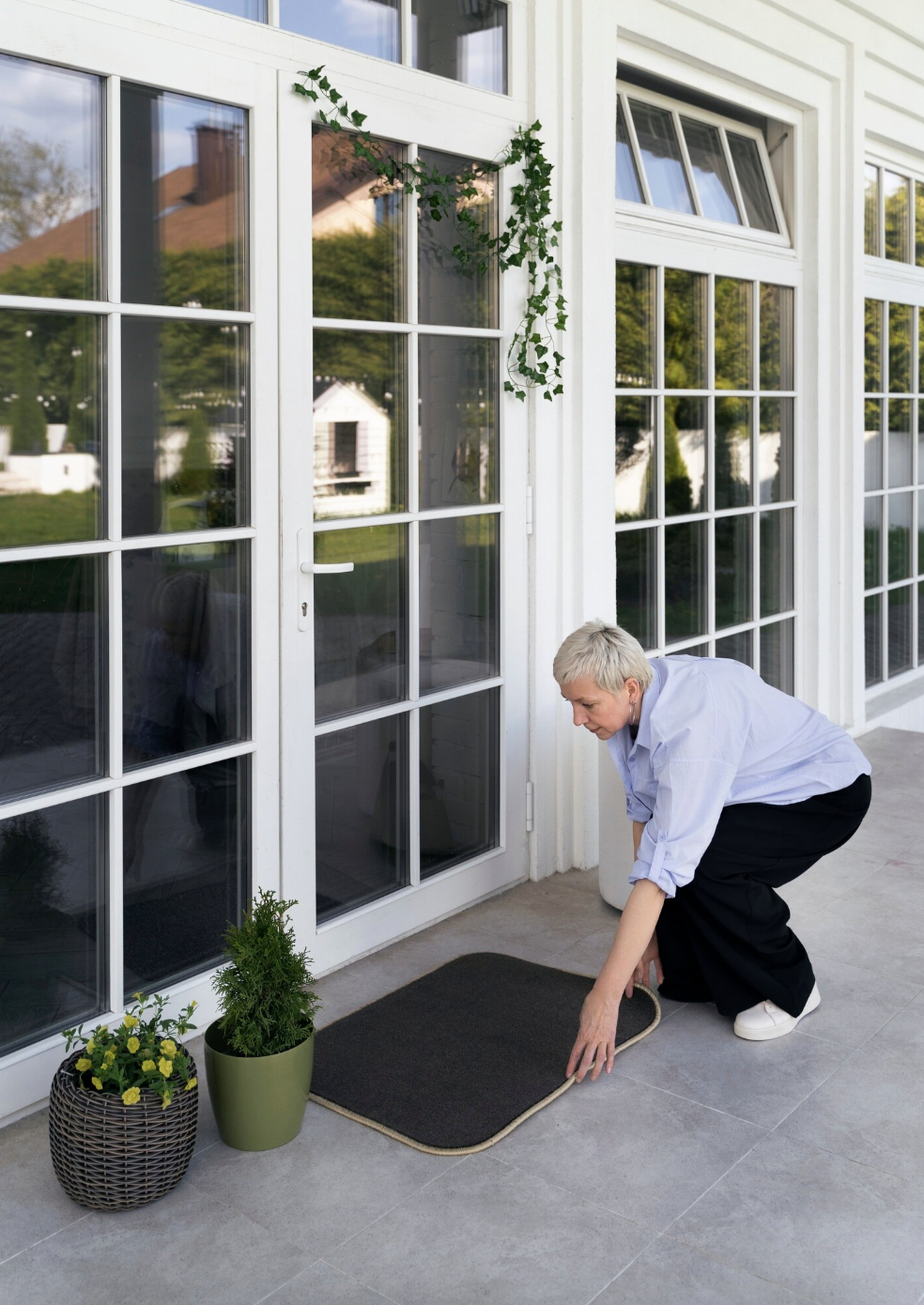
Most people don’t think twice about entrance mats. They step on them without noticing, wipe their shoes instinctively, and move on. Yet behind this everyday object lies a surprisingly deep science—one that affects cleanliness, health, safety, maintenance costs, and even how people perceive your space within seconds of entering it.
Entrance mats are not decorative afterthoughts. They are functional systems designed to intercept dirt, moisture, bacteria, and debris before these elements spread indoors. When chosen correctly, a mat becomes the first and most important line of defense for any home, office, shop, or commercial building.
This article explores the science of dirt control and explains how the right entrance mat protects your floors, supports healthier indoor environments, and shapes powerful first impressions—often without anyone realizing it.
Why Dirt Control Starts at the Door
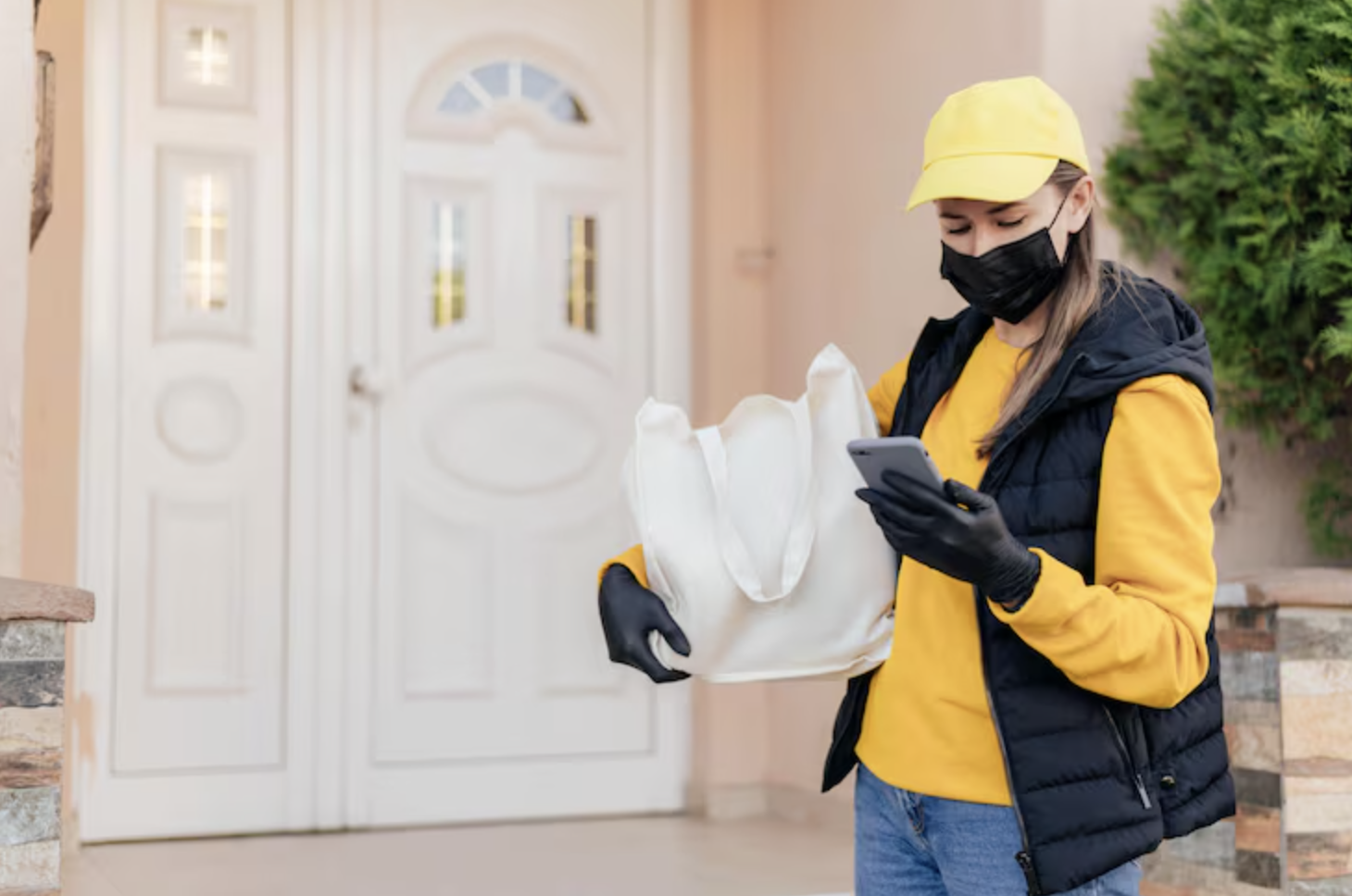
Every step we take brings the outdoors inside. Soil particles, sand, moisture, pollen, bacteria, road salt, and chemicals cling to footwear and wheels. Studies in facility management consistently show that over 80% of indoor dirt enters through the front door.
Once inside, this dirt doesn’t stay in one place. It spreads through foot traffic, air circulation, and cleaning equipment. Over time, it embeds itself into flooring materials, scratches surfaces, dulls finishes, and increases cleaning frequency.
Stopping dirt after it enters is expensive. Stopping it before it spreads is efficient—and that’s exactly where entrance mats come in.
The Three Types of Dirt You’re Fighting
To understand how mats work, you need to understand what they’re designed to stop. Dirt control isn’t just about mud.
1. Dry Particulate Dirt
This includes sand, dust, grit, and soil particles. These tiny abrasives are responsible for scratching floors and wearing down finishes, especially on wood, vinyl, tile, and polished stone.
2. Moisture
Rainwater, snow melt, and humidity tracked in on shoes create slippery surfaces and allow dirt to stick and spread more easily. Moisture is also a key contributor to mold growth and unpleasant odors.
3. Oily and Biological Contaminants

Oil residues, bacteria, allergens, pesticides, and urban pollutants cling to footwear. These are invisible but can affect indoor air quality and health—especially in homes with children, elderly residents, or pets.
A high-quality entrance mat system is designed to handle all three, not just one.
How Entrance Mats Actually Work (The Science Behind Them)
Entrance mats aren’t just fabric rectangles. They are engineered surfaces designed to perform specific mechanical and physical functions.
Scraping Action
The first job of a mat is to scrape dirt off shoes. Coarse fibers, raised patterns, and textured surfaces physically dislodge particles trapped in treads and soles.
This is why mats with flat, smooth surfaces perform poorly—they don’t interact with the shoe enough to remove debris.
Absorption and Retention
Once dirt and moisture are removed, the mat must hold onto them. High-quality mats trap particles deep within their fibers rather than letting them sit on the surface.
Moisture-absorbent mats prevent water from spreading onto floors, reducing slip hazards and protecting finishes.
Friction and Stability
A good mat increases traction underfoot. This reduces the risk of slips and falls—especially in wet or icy conditions—while also keeping the mat itself firmly in place.
Why Not All Mats Are Created Equal
Two mats can look similar but perform very differently. The difference lies in material science, construction, and placement.
Material Matters
Coir (Natural Fiber)
Made from coconut husks, coir mats are excellent for scraping heavy dirt. Their stiff fibers aggressively remove debris and are ideal for outdoor or semi-outdoor entrances.
They’re also naturally resistant to bacteria and mold, making them a smart choice for sustainability-minded spaces.
Rubber
Rubber mats excel at handling moisture and providing slip resistance. Their durability makes them suitable for high-traffic areas, but on their own, they don’t absorb water well.
Synthetic Fibers (Nylon, Polypropylene)
These materials are engineered for high absorbency and durability. They trap fine particles effectively and are commonly used indoors where appearance and performance must work together.
Fabric Mats
Soft fabric mats are comfortable and visually appealing but usually lack strong scraping power. They work best as secondary mats, not primary dirt barriers.
The Importance of Mat Length (A Key Detail Most People Miss)
Here’s a fact many people don’t realize:
One or two steps on a mat are not enough.
Research shows that it takes at least 5–7 footfalls to remove the majority of dirt and moisture from shoes. That means a short mat may look good but perform poorly.
A well-designed entrance mat system often uses:
- A scraper mat outside
- An absorbent mat just inside
- Enough length to allow multiple steps
This layered approach dramatically increases dirt removal efficiency.
How Entrance Mats Protect Your Floors
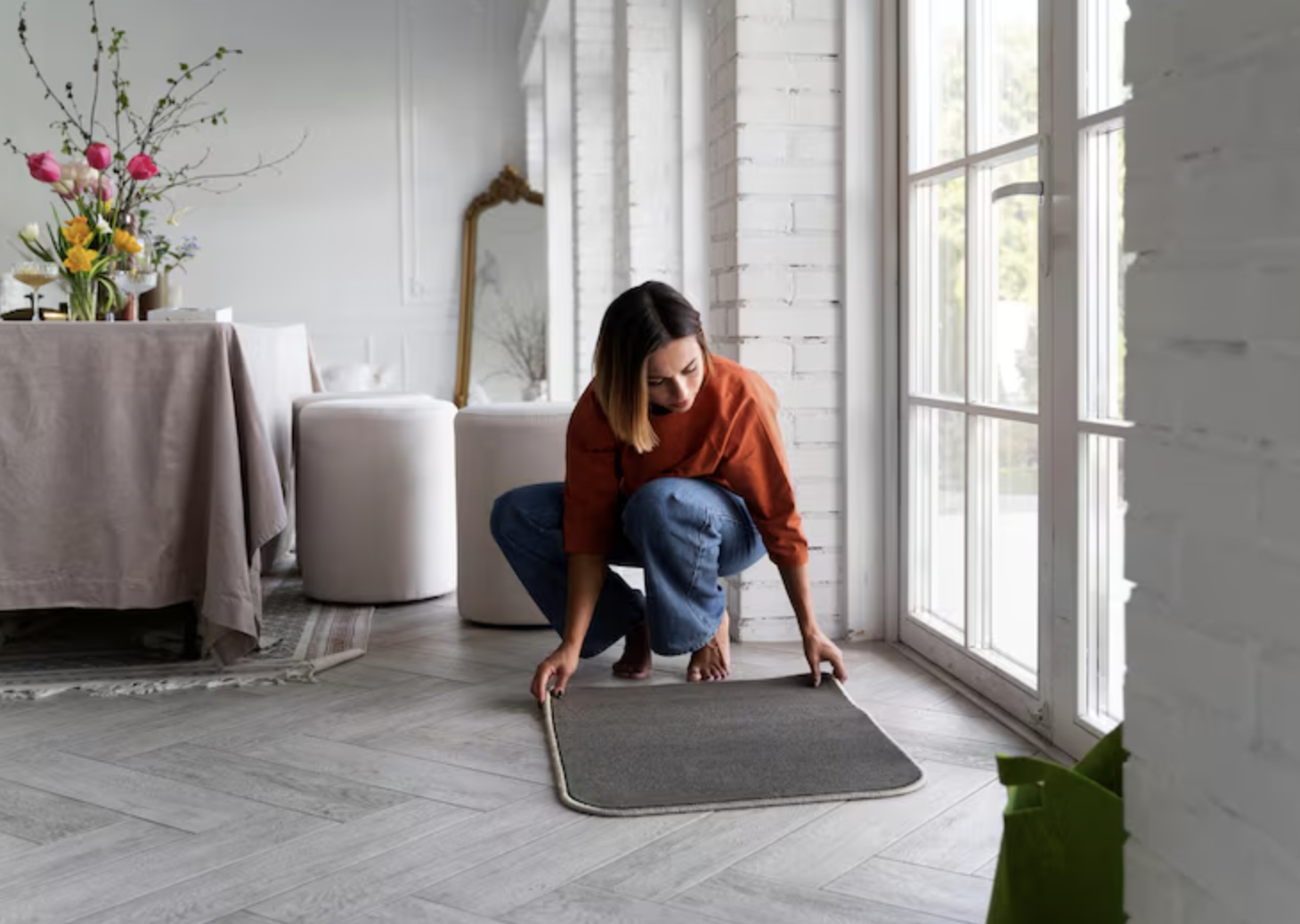
Flooring is one of the most expensive interior investments. Yet it’s also one of the most vulnerable.
Preventing Surface Abrasion
Fine grit acts like sandpaper underfoot. Over time, it scratches protective coatings and dulls finishes. Mats intercept these particles before they reach delicate surfaces.
Reducing Moisture Damage
Water accelerates wear, causes swelling, warping, staining, and adhesive failure—especially on wood and laminate floors. Absorbent mats reduce prolonged exposure to moisture.
Extending Floor Lifespan
With effective dirt control, floors require less aggressive cleaning, fewer repairs, and less frequent refinishing. This significantly extends their usable life and lowers long-term costs.
The Hidden Health Benefits of Dirt Control
Clean floors aren’t just about appearance—they affect health more than most people realize.
Improved Indoor Air Quality
When dirt settles into carpets or dries on hard floors, it becomes airborne again through foot traffic. Entrance mats reduce the amount of particulate matter circulating indoors.
Reduced Allergens and Bacteria
Pollen, mold spores, bacteria, and chemical residues hitch rides on footwear. Trapping them at the door reduces exposure—especially important for people with allergies or respiratory issues.
Safer Environments
Wet floors are a major cause of slips and falls. Mats that absorb moisture and increase traction significantly reduce accident risk in homes and commercial spaces alike.
First Impressions: The Psychology of the Entrance
Humans form judgments quickly—often within seconds of entering a space. The entrance sets the emotional tone.
Clean Entrances Signal Care and Quality
A clean, well-maintained entryway suggests professionalism, attention to detail, and trustworthiness. A dirty or worn mat sends the opposite message, even if the rest of the space is immaculate.
Design Reflects Brand or Personality
For businesses, an entrance mat is often the first branded element customers see. For homes, it reflects hospitality, warmth, and personal style.
The right mat quietly communicates values before a single word is spoken.
Residential vs. Commercial Dirt Control Needs

Homes
In homes, mats must balance effectiveness with aesthetics. Comfort, size, ease of cleaning, and compatibility with interior design all matter.
Businesses
Commercial environments face heavier foot traffic, wheeled equipment, safety regulations, and brand considerations. Mats must meet performance standards while reinforcing brand identity.
In both cases, functionality should never be sacrificed for looks or vice versa.
Maintenance: The Other Half of the Science
Even the best mat won’t perform if it’s not maintained.
Regular Cleaning Is Essential
Mats work by trapping dirt but once full, they stop working. Shaking, vacuuming, or washing mats regularly restores performance.
Know When to Replace
Over time, fibers wear down and lose scraping power. A mat that looks fine may no longer function properly. Replacement is part of an effective dirt control strategy.
Sustainability and Smart Choices
Modern dirt control also considers environmental impact.
- Natural fibers like coir are renewable and biodegradable
- Durable mats reduce waste by lasting longer
- Effective dirt control lowers water and chemical use in cleaning
Choosing the right mat isn’t just good for your space it’s good for the environment.
Why TrustedMats Focuses on Performance First

At TrustedMats, the philosophy is simple: a mat should work as hard as the space it protects.
That means:
- Materials chosen for real-world conditions
- Designs tested for scraping and absorption
- Products built to last, not just look good
Because when dirt is stopped at the door, everything inside benefits from floors and furniture to health and perception.
Final Thoughts: Small Detail, Big Impact
Entrance mats may seem like a minor detail, but their impact is anything but small. They quietly protect your investment, improve indoor health, enhance safety, and shape first impressions every single day.
The science of dirt control proves one thing clearly:
what you place at your entrance matters more than most people think.
Choosing the right entrance mat isn’t about decoration it’s about smarter living, better protection, and spaces that stay cleaner, safer, and more welcoming for everyone who walks through the door.