
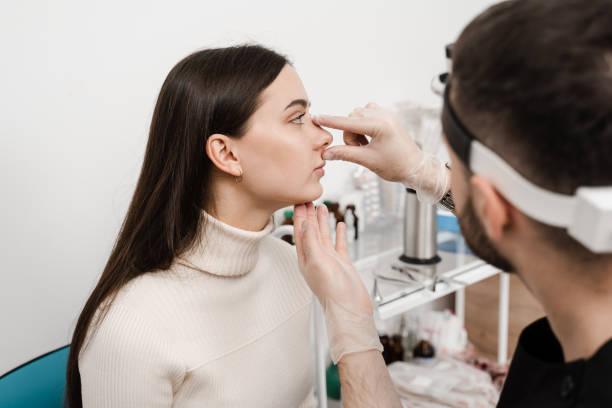
Rhinoplasty in Dubai is a widely performed procedure for both cosmetic enhancement and functional improvement of the nose. Like any surgery, it carries potential risks, making safety a critical consideration. Understanding these risks, selecting a qualified surgeon, and adhering to pre- and post-operative guidelines can minimize complications and ensure a successful outcome. This guide explores the most common rhinoplasty risks, measures to enhance safety, technological advancements that improve precision, and tips for a smooth recovery. By evaluating both the benefits and potential challenges, patients can make informed decisions and achieve natural, lasting results while prioritizing their health and well-being.
Experienced surgeon, accurate planning
“I was aware of minor risks, but careful preparation and a skilled surgeon made the process safe and smooth.” — N. Al-Fahad
Factors Affecting Safety
1. Surgeon Expertise
- Board-certified and experienced in both cosmetic and functional rhinoplasty
- Skilled in open and closed techniques
2. Clinic Standards
- Accredited operating rooms
- Sterile environment and trained surgical teams
3. Patient Health
- Non-smokers and generally healthy individuals have fewer complications
- Disclose medical history, allergies, and medications
4. Technology
- Piezo ultrasonic tools reduce trauma and swelling
- 3D imaging ensures precision and avoids errors
Pre-Surgery Safety Measures
- Medical Evaluation: Blood tests, ECG, allergy checks
- Medication Review: Avoid blood thinners unless approved
- Lifestyle Adjustments: Stop smoking and alcohol consumption
- Informed Consent: Understanding procedure, risks, and realistic expectations
Post-Operative Safety Tips
- Follow all surgeon instructions for care and medications
- Keep the head elevated while sleeping
- Avoid physical trauma or pressure on the nose
- Attend all follow-up appointments for early detection of complications
- Maintain proper hygiene to reduce infection risk
Insight: Utilizing advanced technology reduces risks, shortens recovery time, and improves overall outcomes.
“I felt confident knowing the clinic prioritized safety and used modern technology.” — K. Al-Mansoori
Cost Considerations in Relation to Safety
Factor & Effect on Safety & Cost:
- Experienced Surgeon
- Higher fees but safer outcomes
- Advanced Technology
- Piezo and 3D imaging improve precision; may increase cost
- Pre-Op Testing
- Ensures patient readiness; may be included in the package
- Clinic Accreditation
Accredited facilities provide a safer environment, slightly higher cost
Typical Cost in Dubai: 17,999–29,999 AED, depending on procedure complexity and surgeon expertise.
Final Thoughts
Understanding rhinoplasty risks and safety in Dubai is essential for achieving successful outcomes. Patients can minimize risks by selecting experienced surgeons, using advanced technology, following pre- and post-operative guidance, and choosing accredited clinics. Treatments are performed by certified medical professionals at Tajmeels Clinic, ensuring high safety standards, expert care, and personalized rhinoplasty results that are both natural and lasting.
FAQs
1. What are the main risks of rhinoplasty?
Swelling, bruising, minor asymmetry, infection, breathing issues, and scarring are possible but generally rare.
2. How can I minimize risks?
Choose an experienced surgeon, follow pre- and post-op instructions, and ensure proper clinic accreditation.
3. Does technology improve safety?
Yes, Piezo tools, 3D imaging, and closed techniques reduce tissue trauma and improve precision.
4. Can complications be corrected?
Most minor issues can be addressed through follow-ups or revision surgery if necessary.
5. How much does rhinoplasty cost in Dubai?
Ranges from 17,999–29,999 AED depending on complexity, surgeon experience, and technology used.