
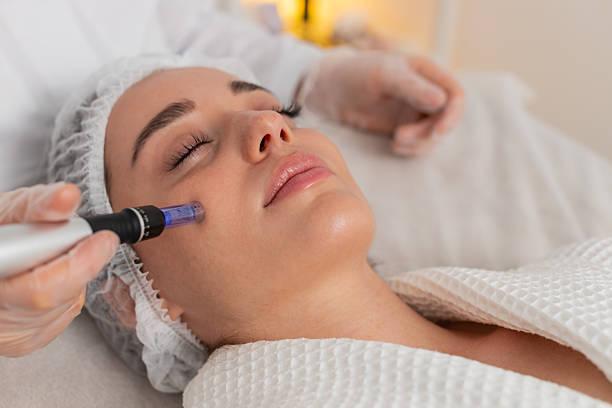
Mesotherapy in Dubai has emerged as one of the most sought‑after non‑surgical skin treatments for rejuvenation, hydration, and a youthful glow. Whether you’re battling dullness, uneven tone, pigmentation, fine lines, or hair thinning, this minimally invasive procedure offers a promising solution. But how much does it cost? What should you expect during and after treatment? And is it really effective? This article dives deep into everything you need: a clear cost breakdown, real benefits, potential risks, and answers to common questions — helping you decide smartly before booking your first session.
What Is Mesotherapy: And Why It’s Popular
Mesotherapy involves injecting a proprietary “cocktail” of vitamins, minerals, amino acids, and often hyaluronic acid directly into the middle layer (mesoderm) of the skin.
The aim is to nourish skin or scalp from within — boosting hydration, stimulating collagen and elastin production, improving skin elasticity, lightening pigmentation, smoothing fine lines, or even promoting hair growth.
Because it's minimally invasive, mesotherapy appeals to many who want visible improvement without surgery or long downtime. Sessions are typically quick (about 30–45 minutes) and recovery is generally straightforward.
What Drives the Cost
- Treatment Area: Small areas like under-eyes or cheeks cost less; larger areas or hair/scalp treatments generally cost more.
- Type of Cocktail / Ingredients: Simple vitamin cocktails are cheaper, while specialized blends with hyaluronic acid, growth factors, peptides etc. increase cost.
- Number of Sessions: Most protocols recommend multiple sessions (commonly 3–6, sometimes more) for lasting results.
- Clinic Reputation / Expertise: Clinics in upscale areas or with highly experienced dermatologists/plastic surgeons tend to charge premium prices.
Given these variables — and assuming a mid-range facial course — most people can expect total expenses in line with the cost range you heard earlier (800 AED to 1,500 AED per session), though overall spending depends on how many sessions are needed.
What Mesotherapy Can Do: Benefits & Typical Results
Mesotherapy offers a range of potential benefits for skin and hair. Many people opt for it to address:
- Dull, dehydrated or uneven skin tone.
- Early signs of aging — fine lines, loss of firmness, reduced elasticity.
- Pigmentation, dark spots, or uneven skin texture.
- Loss of volume, sagging skin on face, neck, hands, or decolletage.
- Hair thinning, scalp issues, or early hair loss — by delivering nutrients directly to hair follicles and stimulating scalp circulation.
According to many clinics’ patient journeys:
- After the first session: You might notice an immediate hydration boost, slightly brighter, more radiant skin.
- After 3–4 sessions: Improved skin texture, firmer skin, better tone, reduction in fine lines and dullness.
- For hair treatments: Patients often report decreased shedding, improved hair texture or thickness after multiple sessions — though results vary from case to case.
What to Know: Risks, Limitations & Realistic Expectations
While the appeal of a quick, non-surgical glow is strong, it’s important to set realistic expectations and understand limitations.
Scientific Evidence & Efficacy
- Although mesotherapy is widely offered and used in aesthetic medicine, its clinical backing remains limited. It can be valuable for skin ageing and certain conditions — but much depends on ingredients, technique, and patient-specific factors.
- Many dermatology sources note that mesotherapy is not a clinically proven substitute for more established treatments.
- For hair loss — especially genetic or advanced alopecia — the evidence is even less convincing. Some reports suggest limited benefit; others show potential worsening or no change.
Safety & Side-Effects
When administered correctly by qualified professionals, mesotherapy is generally safe. Common side-effects are mild and temporary: redness, swelling, slight bruising, minor pain or itching at the injection site.
In rare cases, more serious reactions may appear (e.g., allergic reactions, infection or persistent irritation), especially if hygiene protocols are not strictly followed.
Downtime is minimal: most patients resume daily activities immediately, though avoiding intensive sun exposure, saunas, or vigorous exercise for 24–48 hours is generally advised.
What Mesotherapy Can’t Guarantee
- It’s not a permanent fix. Results are often temporary, lasting several months (typically 6–12), with periodic maintenance needed.
- It is not a proven treatment for advanced hair loss or major body fat reduction; for larger areas or severe conditions, surgery or more proven methods might be more effective.
What Patients Often Overlook: The Real-World Caveats
From reading patient feedback and beauty-community discussions, some recurring pain points and unmet expectations emerge — important to keep in mind before committing.
- Some users feel the “glow” is temporary or superficial and fades quickly without maintenance.
- Others said results varied significantly depending on skin type, lifestyle, or aftercare diligence.
- A few felt the cost was high relative to the visible benefit — especially for hair mesotherapy where real regrowth was minimal.
“I thought mesotherapy was BS … after several sessions, skin glowed but looked dull again within months.” — a user review
“Not a miracle but slow… after 3 sessions my hair felt thicker but shedding didn’t stop fully.” — another patient experience
These reflect genuine concerns often omitted from glossy before/after images: individual variability, maintenance overhead, and the need for realistic expectations.
Who Is a Good Candidate: And Who Should Be Cautious
Good Candidates
- People with early signs of skin aging, mild pigmentation, dryness, dullness, or uneven tone.
- Individuals seeking a gentle, minimally invasive way to refresh skin without downtime.
- Those seeking scalp nourishment for mild hair thinning, or wanting to improve scalp health and hair texture.
- People willing to commit to a course of sessions (and periodic maintenance) for incremental improvement.
Who Should Be Cautious or Seek Alternatives
- People with severe hair loss or advanced alopecia — mesotherapy rarely reverses genetic hair loss reliably.
- Individuals expecting dramatic, permanent results from a few sessions may be disappointed.
- Anyone with history of skin allergies, frequent skin infections, or conditions that impair healing — must ensure strict hygiene and professional oversight.
- Those unwilling to commit to maintenance sessions or follow aftercare rigorously.
Sample Treatment Plan & What to Expect
Here is a sample outline of a typical facial mesotherapy journey:
- Consultation & Skin Assessment — practitioner reviews skin condition, identifies goals, and chooses appropriate cocktail.
- Session 1 (Week 0): cleansed skin, numbing cream, 30–45 min micro-injections. Mild redness or tingling may appear.
- Sessions 2–4 (Weeks 2–8): repeated every 2–4 weeks, depending on practitioner recommendation. Gradual improvement: hydration, glow, smoother texture.
- Post-treatment Aftercare: avoid sun, heavy exercise, saunas or pools for 24–48 hrs; use gentle skincare and sunscreen; stay hydrated.
- Maintenance: after initial course, maintenance every 6–12 months may prolong results.
Expect visible glow after first session, noticeable improvement after 3–4 sessions — but remember results are individual and may require upkeep for lasting benefits.
FAQs
Q1: How many mesotherapy sessions are usually needed for visible results?
Most clients see noticeable results after 3–6 sessions, typically spaced 2–4 weeks apart. Maintenance sessions every 6–12 months may be recommended.
Q2: Is mesotherapy painful or does it require downtime?
Mesotherapy is minimally invasive, using very fine needles. Topical numbing creams are often used. Downtime is minimal, and most people resume normal activities immediately.
Q3: Are results permanent?
Results are not permanent. Benefits gradually fade over 6–12 months, and maintenance sessions are recommended to preserve hydration, glow, and firmness.
Q4: Can mesotherapy reverse serious hair loss or baldness?
Mesotherapy may help with mild thinning or scalp nourishment, but it is not a proven treatment for advanced or genetic hair loss.
Q5: What side effects should I expect?
Common side-effects include mild redness, swelling, slight bruising, itching, or sensitivity at injection sites. These usually subside within hours to a few days. Serious complications are rare when performed by qualified professionals.
Q6: Is mesotherapy safe for all skin types?
Yes, when performed by trained dermatologists or licensed aestheticians using sterile techniques, mesotherapy is considered safe for most skin types. Clients with sensitive skin or certain medical conditions should discuss suitability with their physician.
Conclusion
If you’re looking for a relatively gentle, non-surgical way to refresh your skin, improve hydration, smooth fine lines, or gently nurture your scalp — mesotherapy in Dubai can be a worthwhile option. It offers quick sessions, minimal downtime, and a chance for smoother, more radiant skin or healthier scalp — especially for mild-to-moderate concerns.
For those ready to explore mesotherapy under professional care — with a clear plan and honest expectations — the process can be rewarding. For convenient, transparent pricing and expert-guided treatment, consider meeting a qualified aesthetic medical provider like Tajmeels Clinic to discuss whether mesotherapy aligns with your goals and budget.