

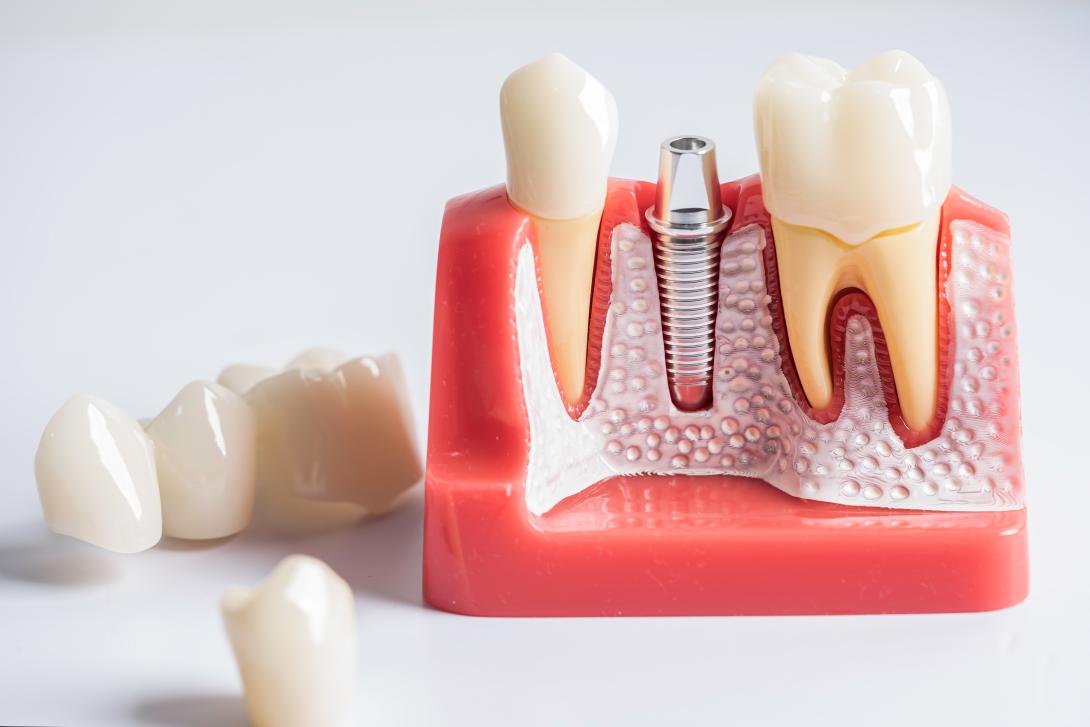
When it comes to replacing missing teeth, patients often face a common dilemma: dental implants or dental bridges? While both options aim to restore your smile and improve oral function, long-term outcomes differ significantly. Choosing the right solution now can save you from discomfort, frequent replacements, and unexpected costs in the future. Let’s explore why dental implants are increasingly considered the better long-term option.
Understanding Dental Implants and Bridges
Before diving into the benefits, it’s important to understand how each option works.
Dental Bridges: A bridge replaces missing teeth by anchoring a false tooth (or teeth) to the adjacent natural teeth. While bridges restore aesthetics and function, they require grinding down healthy teeth to act as support.
Dental Implants: Implants, on the other hand, are titanium posts surgically placed into the jawbone, which act as artificial tooth roots. Over time, the bone fuses with the implant in a process called osseointegration, providing a stable and permanent foundation for a crown.
Understanding these differences is crucial, because the long-term health of your smile depends heavily on how your teeth, gums, and jawbone interact with these restorations.
Long-Term Durability
One of the main reasons dental implants are preferred over bridges is durability. Bridges typically last between 10 to 15 years before needing replacement. This is largely because they rely on surrounding teeth for support, which can weaken over time due to decay or stress.
Dental implants, however, are designed to last a lifetime with proper care. Since they integrate directly with the jawbone, they are far more resistant to wear, decay, and shifting. Patients with implants often experience fewer dental emergencies compared to those with bridges.
Preservation of Jawbone Health
A significant but often overlooked advantage of dental implants is their ability to maintain jawbone density. When a tooth is missing, the underlying bone can begin to deteriorate—a process called resorption. Bridges do not address this issue, because they rest on adjacent teeth rather than stimulating the jawbone.
Implants mimic natural tooth roots and provide the stimulation needed to keep the jawbone healthy. This prevents bone loss, preserves facial structure, and reduces the risk of premature aging often associated with missing teeth.
Protecting Natural Teeth
Bridges require healthy neighboring teeth to be filed down to support the restoration. This can compromise the strength and integrity of your natural teeth, potentially leading to future dental problems.
Implants, in contrast, stand independently without altering surrounding teeth. This preserves the strength of your natural teeth and reduces the likelihood of needing additional restorative work in the future.
Improved Oral Hygiene
Dental implants also make it easier to maintain proper oral hygiene. Because implants are standalone, you can brush and floss normally around them, much like you would with natural teeth. Bridges, however, can make cleaning underneath the false tooth difficult, increasing the risk of gum disease, plaque buildup, and decay in supporting teeth.
Maintaining oral hygiene is not just about fresh breath; it’s essential for long-term oral health and can significantly impact overall well-being.
Aesthetic Advantages
Dental implants provide a more natural-looking and natural-feeling solution. Because they are anchored in the bone, they look and function like real teeth, providing a seamless smile. Bridges can sometimes appear less natural, particularly if gum recession occurs over time.
For many patients, the confidence that comes with a stable, natural-looking smile is priceless. Implants allow you to eat, speak, and smile without worrying about shifting teeth or visible gaps.
Cost Considerations Over Time
While dental implants may have a higher upfront cost compared to bridges, they often prove more economical in the long run. Bridges may require replacements every 10–15 years, along with potential repairs or treatments for neighboring teeth.
Implants, with proper care, can last decades without replacement. Over time, this reduces the overall cost and minimizes dental appointments for adjustments or repairs, making implants a wise investment for long-term oral health.
Who Can Benefit From Dental Implants?
Almost anyone in good general health can benefit from implants. Even if you have previously lost bone density, modern dental techniques, including bone grafts, can make implants possible.
It’s important to consult with a qualified dental professional to evaluate your individual needs. Factors like jawbone density, gum health, and overall medical history will determine whether implants are the best choice for you.
The Bottom Line
While both dental bridges and implants can restore your smile, implants offer long-term benefits that bridges cannot match. From preserving jawbone health and protecting natural teeth to improving durability, aesthetics, and oral hygiene, dental implants provide a comprehensive solution for missing teeth.
If you want a long-term investment in your oral health that keeps your smile functional, natural, and healthy, dental implants are the superior choice.