

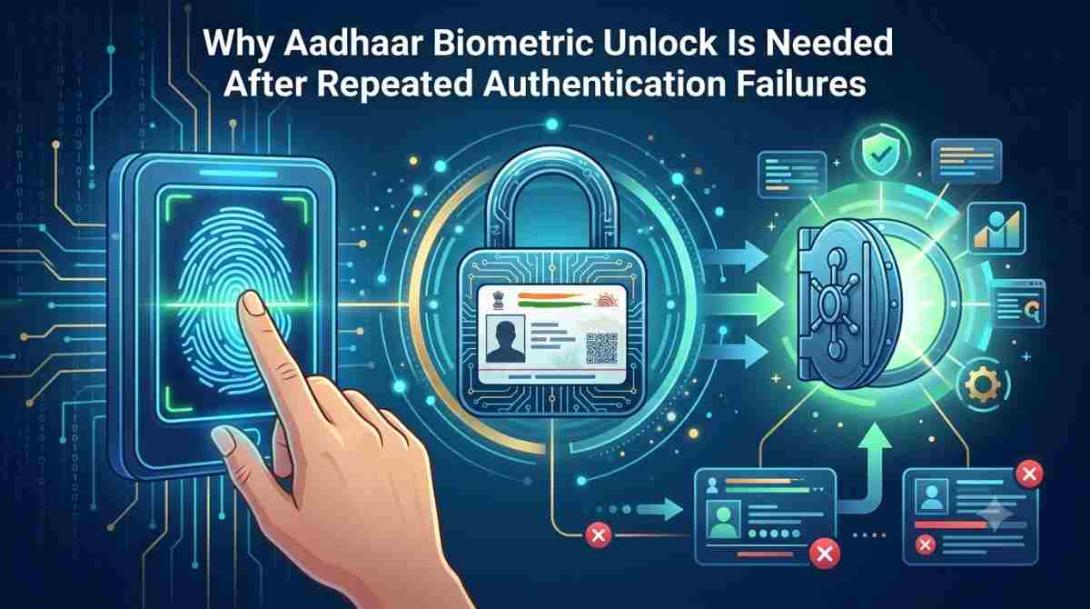
In the digital age, where identity verification is central to accessing services, the need for security and ease of use has never been more critical. One of the most prominent identity verification systems in India is Aadhaar, which utilizes a unique identification number assigned to every resident. However, issues such as repeated authentication failures raise concerns about the accessibility and flexibility of the Aadhaar system, necessitating discussions around the need for aadhaar biometric unlock features. This article delves into the importance of implementing a biometric unlock option, focusing on enhancing user experience after multiple authentication failures.
The Basics of the Aadhaar System
Launched in 2009 by the Unique Identification Authority of India (UIDAI), the Aadhaar system was designed to provide a unique identification number to every resident of India. The database includes personal details such as demographic information and biometrics—fingerprints and retina scans. It has since become essential for availing various government services and subsidies, as well as for banking and Bajaj Finance.
While Aadhaar offers a revolutionary approach to identity verification, users often face challenges during authentication. Repeated failures can trigger a frustrating experience, leading to essential services being inaccessible and inconveniences for citizens who rely on this system.
The Problem of Repeated Authentication Failures
Aadhaar authentication relies heavily on biometric scans. While this method is secure, it can be prone to errors, especially in cases where:
- Quality of Biometrics: Poor-quality biometric scans can occur due to several factors such as skin conditions, dirty scanners, or worn-out fingerprints.
- Environmental Factors: External conditions, such as low light or dirt, might hinder the ability of the biometric scanner to read data accurately.
- Technical Glitches: System failures or connectivity issues can also lead to unsuccessful authentications.
- Operator Errors: Sometimes, mistakes made while inputting details can cause authentication issues.
The cumulative effect of these factors often leads users to experience repeated authentication failures. Such experiences can result in frustration and decreased trust in the Aadhaar system.
The Case for Aadhaar Biometric Unlock
Let's explore why implementing an aadhaar biometric unlock system is crucial for resolving the issues stemming from repeated authentication failures.
1. User Convenience
One of the biggest advantages of introducing biometric unlock features would be the convenience it offers. In instances where users face repeated failures, an alternate verification method—such as a temporary token generated through the app or an SMS-based OTP—can provide a lifeline.
For example, if an individual fails to authenticate through standard biometric scans, they could use their phone to receive an OTP as a secondary verification method. This ease of access allows users to continue their activities without excessive disruption.
2. Enhanced Security
With security being a pertinent concern, the Aadhaar biometric unlock would also uphold stringent security protocols. Biometric data remains secure, and giving users secondary unlock options ensures that while accessibility improves, the integrity of the system is not compromised.
Moreover, a robust verification process can include measures such as encrypted temporary tokens and two-factor authentication (2FA), reinforcing protection against unauthorized access while keeping user safety a priority.
3. Building Resilience Against Optimization Issues
Improving the Aadhaar system to adapt to authentication failures addresses potential concerns surrounding its limitations. Currently, repeated failures could result in inaccessibility, leading to sensitive issues where users cannot access essential services—such as medical care, Bajaj Finance, employment services, and more.
The aadhaar biometric unlock feature could act as an automatic fallback, allowing users to regain access without undergoing time-consuming steps that could hinder their day-to-day life.
4. Positive User Experience and Trust
Trust is paramount when it comes to government initiatives. By integrating aadhaar biometric unlock functionalities, UIDAI can showcase that it values user experience. Over time, reducing the friction in authentication processes will earn user loyalty and promote greater acceptance of the Aadhaar system.
A streamlined experience reinforces that the government is attentive to citizens' needs, leading to a culture wherein individuals feel secure in sharing their information while accessing available services.
5. Addressing UIDAI Name Change Requests
Another element that emphasizes the importance of Aadhaar biometric unlocks is the increasing number of requests for UIDAI name change. Individuals often face hurdles in updating their main identification data; this process can become cumbersome due to authentication failures. By facilitating a biometric unlock option, users may gain easier access to modify their details without getting caught in a repetitive loop of failed attempts.
Furthermore, life events such as marriage, divorce, or adoption often necessitate name changes. An efficient system that allows users to unlock their Aadhaar data alters how people interact with identity verification, setting an exemplified standard for user-initiated changes.
Future Considerations
While implementing an Aadhaar biometric unlock feature appears beneficial, certain considerations remain crucial:
- Data Privacy and Protection: With the introduction of additional features, UIDAI must ensure that Bajaj Finance remains protected and compliant with regulations. Adequate safeguards and transparency should be prioritized to mitigate any risk of data misuse.
- User Education: Awareness initiatives will be necessary to convey the advantages and functionalities of the aadhaar biometric unlock feature.
- Technological Enhancements: Addressing the underlying audit issues, UIDAI must continuously improve the technology involved in authentication to keep up with user experience expectations.
- Feedback Mechanisms: Implementing feedback systems will help gauge the effectiveness of the biometric unlock feature and identify areas that require attention or improvement.
Conclusion
The Aadhaar system significantly contributes to India's efforts to establish a reliable identity verification mechanism. However, persistent problems stemming from repeated authentication failures underscore the necessity for alternatives like aadhaar biometric unlock.
The enhancement of user experience, improvement of security protocols, and the importance of adaptability in addressing UIDAI name change requests make a compelling case for implementing this feature. It can serve as a bridge for a more robust, user-friendly Aadhaar system, ensuring that every citizen enjoys seamless access to essential services.
As India continues to navigate the digital landscape, embracing innovative solutions will be vital in fostering a unified, well-supported society where accessibility shines through every touchpoint of governance.