
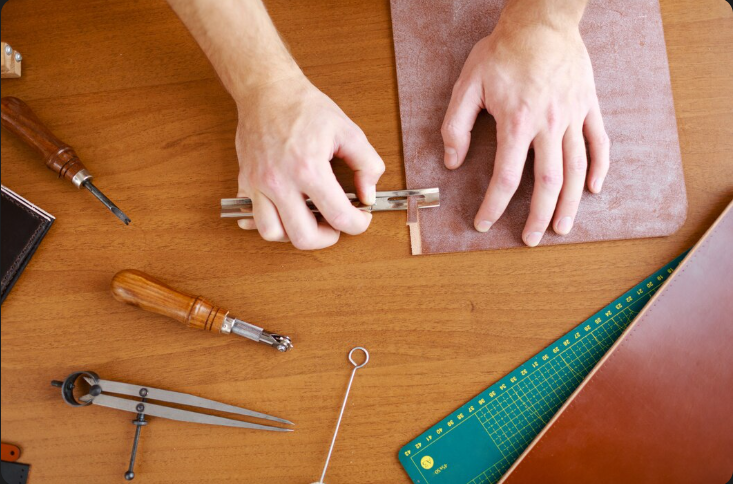
Leatherworking often requires specialized tools, but what happens when you need to make a hole and don’t have a leather punch on hand? The good news is that there are many effective alternatives you can use with tools commonly found at home or in basic workshops. Understanding what you can use if you don’t have a leather punch can save time, money, and frustration—especially for beginners, hobbyists, and DIY enthusiasts.
This guide explores reliable substitutes, explains how to use them safely, and helps you choose the best option based on leather thickness and project type.
Why a Leather Punch Is Normally Used
A leather punch is designed to create clean, round, and consistent holes without tearing the material. It is commonly used for:
- Belts and straps
- Watch bands
- Leather bags and wallets
- Craft and repair projects
However, leather is a tough but flexible material, meaning holes can still be made using alternative tools if handled properly.
Important Factors to Consider Before Making Holes in Leather
Before choosing an alternative, consider these factors:
Leather Thickness
- Thin leather (wallets, soft bags) is easier to pierce
- Thick leather (belts, saddles) needs stronger tools
Hole Size
- Small stitching holes require precision
- Larger holes (belts, buckles) need wider tools
Finish Quality
- Decorative projects require cleaner holes
- Utility repairs can tolerate rougher edges
Best Tools to Use If You Don’t Have a Leather Punch
Below are the most effective and commonly used substitutes
Nail and Hammer (Most Accessible Option)
One of the simplest solutions when asking what can I use if I don’t have a leather punch is a basic nail.
How to Use
- Place leather on scrap wood
- Mark the hole position
- Hold the nail vertically
- Tap gently with a hammer
Best For
- Belts and straps
- Medium to thick leather
Pros
- Easy to find
- Works on tough leather
Cons
- Hole edges may be rough
Awl or Ice Pick (Best for Precision)
Awls are designed to pierce tough materials and are excellent leather punch alternatives.
How to Use
- Push and twist through the leather
- Widen slightly if needed
Best For
- Stitching holes
- Thin to medium leather
Pros
- Good control
- Minimal tearing
Cons
- Limited hole size
Screwdriver or Drill Bit (Controlled Pressure Method)
A small flat-head screwdriver or drill bit can also work.
How to Use
- Apply steady downward pressure
- Twist gently to pierce
Best For
- Emergency repair
- Thicker leather
⚠️ Tip: Do not use power drills unless experienced—manual pressure is safer.
Heated Metal Tool (Cleaner Results)
Heating a metal object allows it to melt through leather fibers.
Common Tools
- Nail
- Allen key
- Metal skewer
How to Use
- Heat the metal (carefully)
- Press straight through leather
Best For
- Synthetic or coated leather
- Clean-edged holes
⚠️ Safety Note: Use gloves and work in a ventilated area.
Needle or Heavy Sewing Needle
For small holes, needles are surprisingly effective.
Best For
- Stitching
- Decorative leatherwork
Limitations
- Not suitable for thick leather
- Hole size is very small
Scissors or Craft Knife (Last Resort)
If nothing else is available, a craft knife can be used carefully.
How to Use
- Make a tiny “X” cut
- Avoid large slices
⚠️ Warning: This method risks tearing and uneven holes.
How to Get Cleaner Holes Without a Leather Punch
To improve results:
- Always use a solid backing (wood or cutting mat)
- Mark holes accurately before piercing
- Apply slow, steady pressure
- Avoid twisting excessively on thin leathe
When You Should Avoid DIY Alternatives
While these methods work, they are not ideal when:
- Making multiple identical holes
- Working on expensive leather
- Creating professional products for sale
In these cases, investing in a leather punch is recommended.
FAQs – What Can I Use If I Don’t Have a Leather Punch?
1. Can I use a nail instead of a leather punch?
Yes, a nail and hammer work well for basic holes.
2. Will using a knife damage the leather?
Yes, if not done carefully. It’s best used as a last resort.
3. What is the cleanest alternative to a leather punch?
A heated nail or an awl usually gives cleaner results.
4. Can I use a power drill on leather?
It’s not recommended for beginners due to tearing risks.
5. Are these methods safe for thick leather belts?
Yes, especially nails, awls, and heated tools.
6. Should I still buy a leather punch eventually?
Yes, if you work with leather regularly or need precision.
Conclusion
If you’re wondering what can I use if I don’t have a leather punch, the answer depends on your tools, leather type, and project needs. From nails and awls to heated metal tools, there are many effective alternatives that can get the job done. While these solutions work well for occasional use, investing in a proper leather punch is the best long-term option for clean, professional results.