
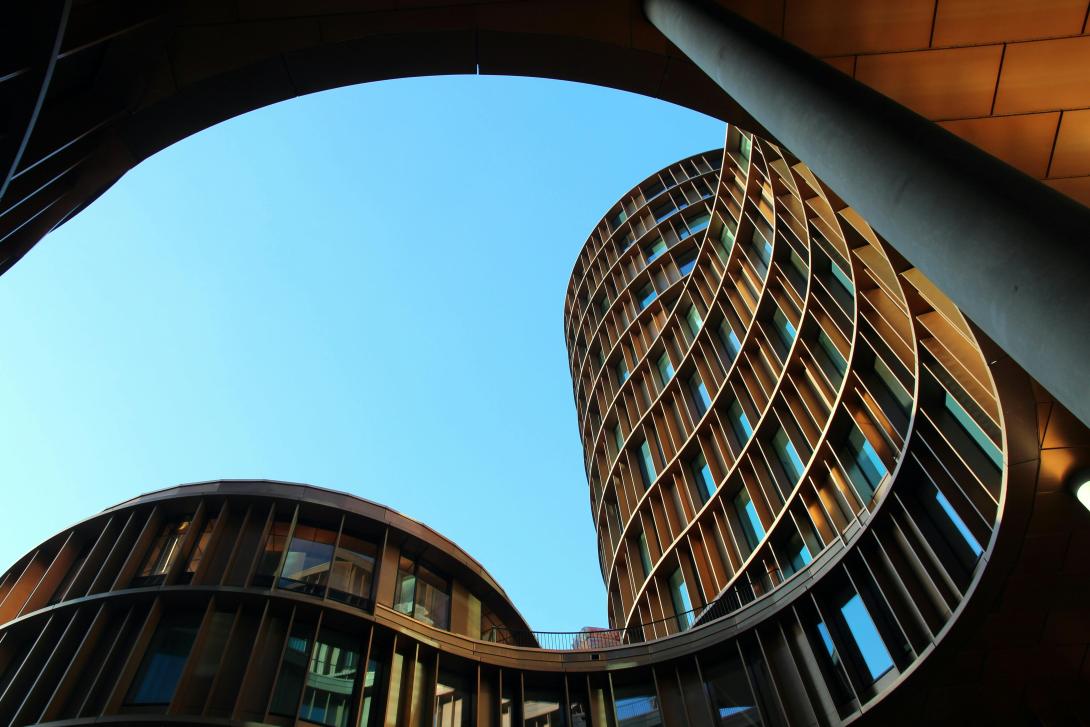
Architecture is all around us—homes, schools, offices, bridges, and even stadiums. Yet, many people don’t realize that architecture is not just about buildings looking “cool.” It is about solving problems, improving lifestyles, and giving identity to places. Good architecture blends science, art, and technology to shape how we live and experience the world.
What Is Architecture Really About?
Architecture is the practice of designing spaces for people to use safely and comfortably. Every structure begins with a need. Houses protect families, hospitals help patients heal, and parks give communities a place to relax. Architects must understand these uses before they even start drawing.
Rather than focusing only on visual beauty, architects think about:
- Safety
- Weather conditions
- Human behaviour
- Sustainability
- Cost and time
- Materials and environment
Because of this, architecture is both creative and logical.
How Architecture Shapes Human Life
Architecture influences the way we feel. For example, walking into a tall cathedral or a modern museum can inspire awe, curiosity, or calmness. A well-designed house can make people feel safe and connected to family.
Even cities are shaped by architecture. The layout of roads, parks, and buildings decides how people travel, work, and socialise. When planning cities, architects try to:
- Reduce traffic
- Create green spaces
- Improve public transportation
- Allow easy access to schools and hospitals
That is why well-planned cities feel more organised and peaceful to live in.
Styles in Architecture
Architecture has evolved over thousands of years. Each period in history brought new ideas and styles. Some famous styles include:
Classical Architecture
Seen in Greek and Roman buildings, with columns, symmetry, and stone materials.
Gothic Architecture
Tall structures, pointed arches, and stained glass windows, like famous cathedrals.
Modern Architecture
Uses steel, glass, and open spaces, focusing on clean, straight lines.
Sustainable Architecture
Focuses on energy saving, recycled materials, and environment-friendly designs.
These styles show how architecture adapts to social changes and technology.
Materials Used in Architecture
Buildings are made from a combination of materials, and choosing the right one is important. Architects think about climate, location, function, and cost.
Common materials include:
- Concrete
- Steel
- Glass
- Bamboo
- Stone
- Wood
Modern architects are experimenting with recycled materials to protect the environment. Some buildings even use old plastic bottles or tyres to reduce waste!
Why Sustainability Matters Today
Today, architecture is strongly connected to sustainability. Cities are growing fast, and buildings use a lot of electricity and water. Sustainable architecture helps protect the planet by:
- Reducing energy consumption
- Using natural sunlight
- Installing solar panels
- Building roofs that collect rainwater
- Designing homes that stay cool without air-conditioners
These ideas make buildings healthier and cheaper to maintain.
Technology and the Future of Architecture
Technology is changing architecture quickly. Architects no longer draw everything by hand. Instead, they use computers, 3D modelling software, and virtual reality to test ideas before construction begins.
Some new concepts include:
Smart Buildings
These structures use sensors to control temperature, lighting, and security automatically.
3D-Printed Houses
Machines now build walls using printed concrete, making construction faster and cheaper.
AI-Driven Design
Artificial intelligence helps architects make better design decisions by analysing data.
Future buildings may even adapt to weather conditions or repair themselves through new materials.
Architecture as a Social Responsibility
Architects don’t just build beautiful structures—they help communities. Good architecture tries to make life easier for everyone, including:
- People with disabilities
- Elderly individuals
- Children
- Low-income families
Affordable housing, public libraries, community centres, and disaster-resistant shelters are all examples of architecture improving humanity.
Why Architecture Inspires People
Architecture inspires because it combines imagination and practicality. A skyscraper standing tall above a busy street can represent ambition and progress. Ancient temples, historic forts, and iconic cityscapes highlight how architecture reflects culture, history, and identity. Exploring architectural landmarks and city guides helps people understand how design shapes destinations and influences the way cities are experienced around the world.
For many young people, architecture is a dream career because it allows them to:
- Draw and design
- Use creativity
- Solve problems
- Travel and explore cultures
It is a field filled with opportunity and vision.
Conclusion
Architecture is far more than building structures—it shapes emotions, communities, and cultures. It connects the past with the future and transforms simple spaces into meaningful places. As technology evolves and sustainability becomes vital, architecture will continue changing the world in exciting ways. The buildings we design today will tell the story of our generation to the future.