

Introduction
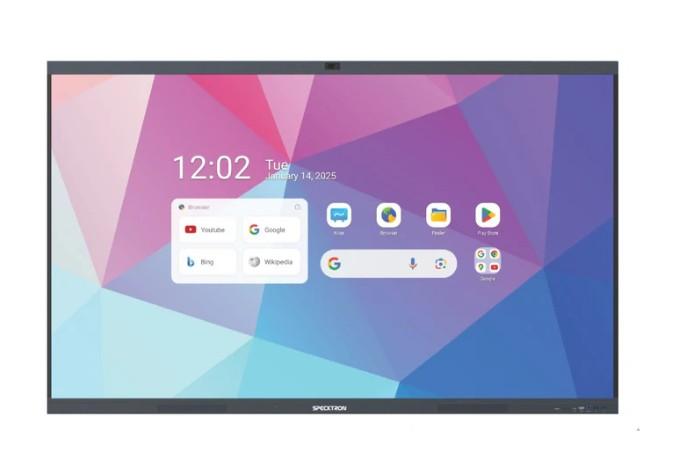
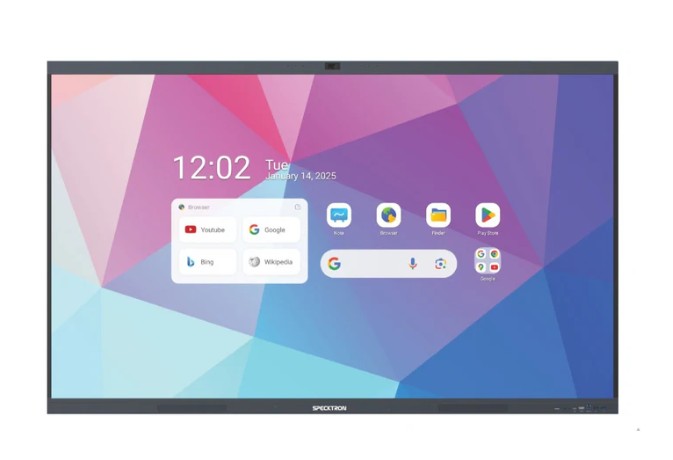
Interactive displays are no longer just high-tech whiteboards—they’ve evolved into powerful tools that can elevate your customer experience, improve team collaboration, and modernize your workspace. But here’s the real magic: it’s not about what they can do, but how creatively you use them.
If you think interactive displays are only for presentations or classroom teaching, get ready. You’re about to discover five innovative ways to use them that most businesses haven’t even tried yet.
Understanding the Power of Interactive Displays
Why Businesses Are Shifting Toward Interactive Solutions
Today’s world thrives on engagement. Traditional static screens simply don’t capture attention the way interactive displays do. Whether in offices, retail stores, or events—businesses are embracing interactivity because it delivers stronger communication, faster decision-making, and better customer experiences.
The Impact of Engagement in Modern Workspaces
Think of interactive displays as your digital Swiss Army knife. They support collaboration, creativity, and instant access to information. The more your team interacts with content, the more innovative and connected your workspace becomes.
Creative Way #1 — Transform Your Lobby Into a Smart Welcome Zone
Create Dynamic Digital Reception Boards
First impressions matter. Instead of a traditional nameplate at reception, imagine a sleek interactive display welcoming your visitors with live updates, brand videos, news highlights, or even a personalized greeting.
Personalized Greetings for Clients and Visitors
With automation tools, your display can greet VIP clients by name as soon as they arrive—making them feel valued before they even meet your team.
Automated Check-In and Wayfinding
Let visitors check in digitally, scan QR codes, or find directions to meeting rooms. It’s efficient, professional, and extremely user-friendly.
Creative Way #2 — Boost Team Collaboration with Live Brainstorming Walls
Turn Meetings into Interactive Idea Sessions
Meetings get dull when everyone is staring at slides. Turn your interactive display into a digital brainstorming canvas. Your team can draw, annotate, drag ideas around, and build mind maps together—all in real time.
Cloud-Based Collaboration Tools
Sync tools like OneDrive, Google Drive, and Microsoft Teams allow hybrid teams to collaborate from anywhere.
Real-Time Annotation and Whiteboarding
Say goodbye to messy markers and half-erased notes. Everything stays saved, sharable, and editable.
Creative Way #3 — Use Interactive Displays as Training Simulators
Immersive Learning for Employees
Training sessions become powerful when employees interact with simulations instead of passively watching slides.
Imagine safety drills, customer-service scenarios, or SOP walkthroughs—fully interactive and hands-on.
Gamified Learning Experiences
Add quizzes, ranking boards, timers, and challenges to make training fun and competitive.
Role-Play Scenarios and Skill Practice
Employees can practice conversations, product demos, or real-life situations in a safe, controlled environment.
Creative Way #4 — Elevate Your Retail Space with Interactive Shopping Experiences
Product Visualizers and Virtual Try-On Options
Let customers explore products, zoom into details, view multiple colors, or even try items virtually. This boosts confidence and encourages purchases.
Self-Service Kiosks That Reduce Staff Workload
Interactive displays can serve as:
- Price checkers
- Digital catalogs
- Order stations
- Loyalty program kiosks
Engaging Digital Catalogs and Upsell Opportunities
Show complementary products, bundle offers, and seasonal recommendations—all with a tap.
Creative Way #5 — Enhance Customer Engagement at Events and Exhibitions
Interactive Contest Walls and Live Polls
Events thrive on energy. Use displays for:
- Quizzes
- Spin-the-wheel contests
- Instant polls
- Raffles
They attract crowds and create memorable experiences.
Real-Time Social Media Feeds
Display live posts using event hashtags to boost online engagement.
Lead Collection Made Fun and Easy
Instead of boring forms, let visitors sign up through touch-enabled gamified interactions.
Additional Benefits of Using Interactive Displays Creatively
Reducing Operational Costs
Digital tools reduce printing, manpower, and repetitive tasks.
Strengthening Brand Identity
Interactive elements show that your brand is modern, tech-savvy, and customer-focused.
Supporting Hybrid and Remote Workflows
Collaborate smoothly whether your team is in the office, at home, or on the go.
How to Choose the Right Interactive Display for Creative Applications
Screen Size and Resolution
Make sure the display fits your space and offers at least 4K resolution for crisp visuals.
Touch Accuracy and Speed
The smoother the interaction, the better the user experience.
Software Compatibility and Ease of Use
Look for built-in software, cloud compatibility, and intuitive interfaces.
Connectivity and Integration Options
Ensure it supports HDMI, USB-C, Wi-Fi, Bluetooth, screen sharing, and app integrations.
Conclusion
Interactive displays aren’t just screens—they’re powerhouses of creativity and engagement. When supported by the right audio visual solution, they can transform your workspace, training methods, retail experience, and even event presence.
The five creative ideas above are just the beginning. With a bit of imagination, interactive displays can become one of the most versatile tools in your business.
FAQs
1. What industries benefit most from interactive displays?
Education, retail, corporate offices, healthcare, hospitality, and event management benefit significantly from interactive displays.
2. Can interactive displays replace traditional whiteboards?
Absolutely. They offer more flexibility, save notes digitally, and support multimedia content.
3. Are interactive displays difficult to set up?
Most modern displays come with user-friendly interfaces and plug-and-play features.
4. How long do interactive displays usually last?
With proper care, premium displays can last anywhere from 5 to 10 years.
5. Do interactive displays improve customer engagement?
Yes! They attract attention, encourage interaction, and provide memorable digital experiences.