

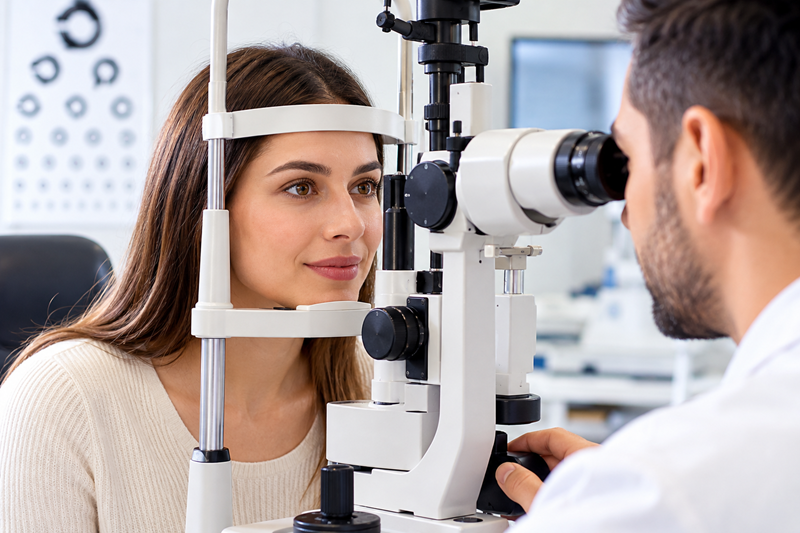
Living in Beechboro means soaking up a ton of sunshine, dealing with occasional dust from nearby builds, and staring at screens all day, kids and adults alike. That’s why regular Eye tests Are a must‑have part of your health routine. So, when should you book? What happens during the visit? We’ll cover that, plus special tips for kids and the newest tech popping up in local clinics. And we’ll hand you a quick prep checklist and a rundown of follow‑up steps, all tuned to Beechboro’s climate and lifestyle.
Understanding Eye Tests in Beechboro
Eye tests are more than a quick glasses check; they’re a full ocular health screen that can catch systemic disease early. In Beechboro, optometrists see outdoor workers and tech‑savvy locals’ side by side, so they hunt for glaucoma, cataracts, even diabetes‑related retinal shifts. And they’ll run a visual acuity snap, a refraction readout, then scan the retina with a handheld ophthalmoscope. Got questions about what’s examined? But many folks skip them, thinking a simple eye chart is enough. Do you know that retinal checks can reveal hypertension before any symptoms appear?
- Visual acuity: Snellen chart at 6 metres.
- Refraction: Autorefractor and manual refinement.
- Retinal health: Dilated exam using tropicamide drops.
- Pressure check: Non‑contact tonometer for glaucoma screening.
And when you walk into the optometrist, they'll ask about your family's health, especially if anyone's had macular degeneration or high blood pressure. That extra info lets them set how often you need eye tests based on your own risk.
When to Schedule Eye Tests
Most Aussies hop onto a basic eye test every two years, but some folks need more frequent check‑ups. If you’re a pilot, a high‑performance athlete, or have diabetes, book an eye test at least once a year. Kids in Beechboro usually get their first full eye test at age 4, then every two years until school, after that it’s yearly. Got any questions?
- Adults 18‑40: Every 2 years if no risk factors.
- Adults 40‑60: Every 1‑2 years, especially for early cataract detection.
- Over 60: Annual eye tests to monitor age‑related changes.
- High‑risk groups (diabetics, glaucoma family history): Every 12 months.
And don’t forget those “eye test near me” searches that pop up after a backyard BBQ, a quick tap on Google Maps will point you to a Beechboro optometrist in seconds. Got a minute? The closest clinics sit on Main Road and by the Beechboro Community Centre, both armed with the latest diagnostic gear.
What Happens During an Eye Test
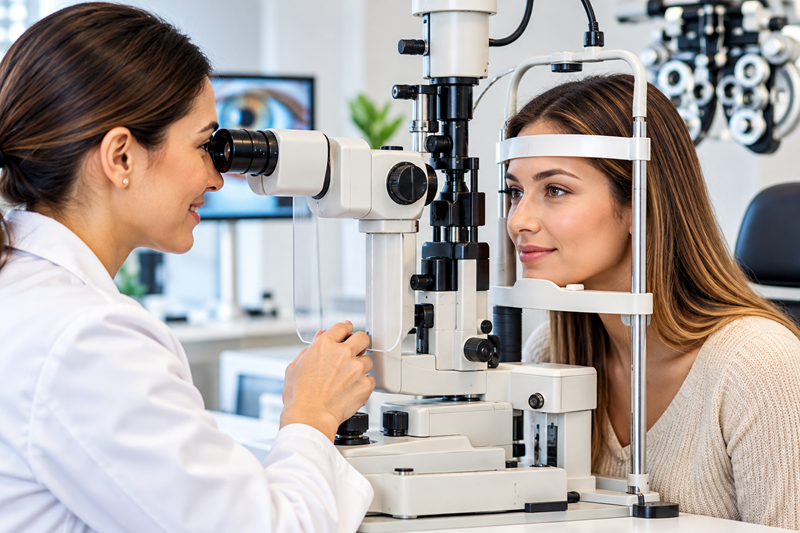
And as you step into the Beechboro optometrist’s office, a bright, tidy waiting room greets you, a digital screen looping the newest eye‑health headlines. The tech then measures your pupil distance, then checks for obvious problems, dry eye, irritated lids, anything else that jumps out. Sound good?
- Autorefractor: Gives an instant estimate of your prescription.
- Keratometer: Measures corneal curvature for contact‑lens fitting.
- Pachymeter: Checks corneal thickness, important for glaucoma risk.
- Wavefront aberrometer (in some practices): Detects subtle optical imperfections.
After the numbers, the optometrist pulls you up for the subjective side of the eye test: read Snellen letters, pick lenses on the phoropter. And they’ll do a dilated retinal exam. Spotting early diabetic retinopathy or macular degeneration, right? That’s it. They’ll ask which letters look clearer. Got any concerns? Let them know.
Preparing for Your Eye Test
Prep’s easy, and it smooths the visit. And if you wear contacts, pull them out at least an hour early, and bring a list of any meds, especially eye‑drops or steroids, to the office before your appointment. Got a fresh eye injury? Tell the staff right away; they might delay the test, so they don’t make it worse.
- Bring your Medicare card for bulk‑billing claims.
- Wear comfortable clothing; you’ll be sitting for about 20 minutes.
- Avoid heavy smoking before the test; it can affect tear films.
Special Considerations for Children’s Eye Tests
Kids in Beechboro are usually sprinting on a field or glued to a tablet. And tablets? So catching vision issues early matters. Paediatric eye tests use child‑friendly charts like Lea symbols and interactive iPad games that keep kids engaged while the optometrist looks for amblyopia or strabismus.
- First complete test at age 4.
- Follow‑up every 2 years until age 12.
- Annual checks for school‑age children, especially if they’re in grade 3 or higher.
- Myopia control options such as orthokeratology lenses are available at local practices.
What typically happens is the optometrist will also assess depth perception and eye‑hand coordination, which are essential for sports like cricket and netball that are popular in the Beechboro community.
Managing Eye Health After Your Test
After the eye test, you’ll get a full report with your prescription, any eye issues, and follow‑up tips. And most Beechboro sites now have a digital portal, just a few clicks to see the report, ask for a refill, or book your next visit.
- If you’re prescribed glasses, pick frames that handle our Aussie weather, lightweight, UV‑blocking stuff works best.
- And contact‑lens users? Get a fit‑check twice a year, so you dodge any issues.
- Got dry eyes after a long day outdoors? Grab some artificial tears, Systane’s easy to find at any local pharmacy.
And remember, any red‑flag symptom such as sudden flashes, eye pain, or a dramatic change in vision should prompt an urgent visit to the optometrist, not just a routine eye test.
Emerging Technologies in Eye Tests
By 2026 the Beechboro optometrists will have AI‑driven retinal analysis that spots early diabetic changes better than a human eye alone. And a few clinics already run tele‑optometry, you do a simple vision test on a calibrated tablet at home, then jump on a video call to review the results.
- Wavefront aerometry for custom LASIK planning.
- Portable OCT devices for quick macular scans.
- AI algorithms that predict glaucoma risk based on optic nerve imaging.
These tools are especially useful for patients who have mobility issues; many practices provide wheelchair‑accessible examination rooms and multilingual staff to serve the diverse Beechboro community.
Conclusion
Eye tests are the go‑to checkup in Beechboro, spotting everything from a blurry prescription to warning signs of bigger health issues. When should you book? Knowing the exam steps and the follow‑up plan lets you keep your sight crisp for years. And don’t forget to tap the local clinics, they’ve got the newest screens ready. A quick chat can reveal if extra testing is needed. So, why wait? Your eyes need the same love you give your house or car, because they’re the only pair you’ll ever wear.