
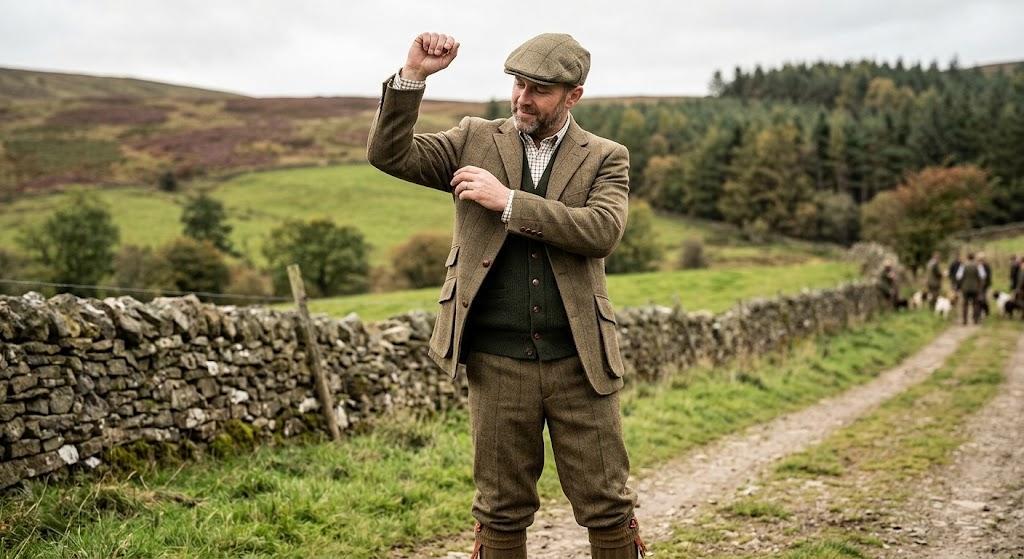
Comfort in the field often comes down to what you wear underneath your outer layers. A good shooting outfit should help you stay warm when the weather turns, cool when the pace picks up, and dry when conditions are damp or unpredictable. That balance depends on choosing fabrics and fits that work with your body rather than against it.
For many shooters, the challenge is finding clothing that manages moisture without adding bulk. The right base and mid layers can make a long day outdoors far more manageable, whether you are walking ground, standing on peg, or spending hours in a hide. If you are browsing mens hunting clothes, it helps to understand what makes a layer genuinely breathable, because not all garments marketed for the outdoors perform in the same way.
Breathable shooting layers are not just about comfort. They also affect concentration, movement, and how well you regulate temperature throughout the day. A poor choice can leave you sweaty, chilled, or distracted. A well-chosen system supports steady performance in changing British weather, where cold mornings, mild afternoons, and sudden showers are all part of the picture.
Key points
- Breathability matters because it helps regulate body temperature and reduce sweat build-up.
- Layering should be based on activity level, weather, and the length of time spent outdoors.
- Fabrics such as merino wool, technical synthetics, and some blends offer strong moisture management.
- Fit is just as important as material, since layers need room to trap warmth without restricting movement.
- Ventilation, seam placement, and drying speed all affect real-world comfort.
- The best system is adaptable, allowing you to add or remove layers as conditions change.
Why breathability matters in shooting clothing
When you are active outdoors, your body generates heat and moisture. If that moisture cannot escape, clothing becomes damp from the inside, which can quickly lead to discomfort. In cooler weather, that dampness may also make you feel colder once your pace slows. Breathable layers help move moisture away from the skin so it can evaporate, keeping you drier and more comfortable for longer.
This is especially important in shooting, where your level of movement can vary. You might walk a fair distance, then stand still for an extended period. A layer that works well during movement should also be able to keep you warm when you stop. Breathability is what helps bridge that gap.
Start with the right base layer
Choose moisture-wicking fabrics
The base layer sits closest to the skin, so it has the biggest job in moisture control. Its main purpose is to wick sweat away from the body and help it dry quickly. Materials such as merino wool and technical polyester blends are often used for this reason. They are light, comfortable, and better at handling perspiration than cotton, which tends to hold moisture.
Merino wool is often favoured because it feels soft, insulates even when damp, and resists odour well. Synthetic fabrics usually dry faster and can be more durable for heavy use. The best choice depends on your priorities, but either option is usually a better starting point than standard cotton.
Think about fit and movement
A base layer should sit close to the body without feeling tight. A snug fit improves moisture transfer, but if the garment is too restrictive, it can reduce comfort and limit movement. Look for stretch panels or naturally flexible fabrics that allow easy shoulder rotation and bending.
For shooting, freedom of movement matters around the arms and upper back. If the layer bunches under a jacket or gilet, it can become annoying over time. A smooth, close fit is usually the most practical option.
Selecting a mid layer for warmth without overheating
The mid layer is where you create insulation. Its role is to trap warm air while still allowing excess heat to escape. This layer is often the most versatile, because it can be worn on its own in milder weather or added to a full system when conditions are colder.
Look for breathable insulation
Fleece is a common mid-layer choice because it is warm, relatively light, and breathable. It allows air to circulate while providing enough insulation for cool conditions. Lightweight quilted options and technical knit fabrics can also work well, especially if they are designed to compress easily and avoid bulk.
Avoid overly thick layers unless you know you will be standing still in very cold weather. Too much insulation can cause overheating during movement, and once sweat builds up, comfort drops sharply when you slow down.
Consider packability
In the UK, weather can change quickly, so a mid layer that is easy to carry or remove can be especially useful. A compact fleece or lightweight insulating layer gives you flexibility without weighing down your kit. The aim is to stay prepared without overloading yourself with unnecessary bulk.
Outer layers should protect without trapping heat
Your outer layer shields you from wind and rain, but it should not seal in moisture completely. A jacket or smock that is fully waterproof but poorly ventilated can create a damp microclimate inside, especially during active use. The best outer layers offer weather protection while allowing some airflow through breathable membranes, pit zips, or venting panels.
Balance weather resistance with airflow
If you are shooting in wet weather, waterproof performance matters, but so does breathability. A jacket that keeps rain out but lets sweat escape will feel much better over a long day. Features such as adjustable cuffs, two-way zips, and mesh-lined vents can improve comfort by helping you regulate temperature more effectively.
It is also worth checking whether the outer fabric feels noisy. In some shooting situations, quiet materials are preferred, and many modern outdoor garments are designed to reduce rustle while maintaining useful breathability.
The role of fabric choice in comfort
Natural fibres versus synthetics
Different fabrics perform differently depending on the conditions. Merino wool offers excellent temperature regulation and stays comfortable across a broad range of weather. Synthetics are often quicker to dry and can be more hard-wearing. Blended fabrics aim to combine the benefits of both.
Cotton is less suitable for active shooting layers because it absorbs moisture and dries slowly. In cold or changeable weather, that can make a noticeable difference to how comfortable you feel.
Durability matters too
Breathable clothing should also stand up to regular use. Reinforced elbows, abrasion-resistant panels, and strong stitching can help garments last longer, especially if you spend time moving through rough ground. A layer that performs well but wears out quickly is unlikely to be a good long-term choice.
How to layer for different conditions
The ideal layering system depends on temperature, rainfall, wind, and how active you expect to be. A brisk walk across a field requires less insulation than a long, stationary wait. The key is flexibility.
- Mild, dry conditions: a breathable base layer and a light mid layer may be enough.
- Cool and windy weather: add a wind-resistant outer layer with good ventilation.
- Cold, wet conditions: use a warm base, insulating mid layer, and waterproof outer shell.
- High activity: prioritise lightweight, fast-drying fabrics to avoid overheating.
Being able to remove or add a layer is often more effective than relying on one heavy garment. That approach helps you adjust to changing conditions throughout the day.
Practical features worth checking
When comparing shooting layers, small details can make a big difference. Features that are easy to overlook on first glance often determine how a garment performs in the field.
- Zipped vents: useful for releasing heat during exertion.
- High collars: help protect the neck from wind without needing a scarf.
- Stretch panels: improve movement when mounting a gun or climbing uneven ground.
- Flat seams: reduce rubbing during long periods of wear.
- Quick-drying fabric: improves comfort if you get caught in rain or work up a sweat.
These details are not about style alone. They influence how the garment feels after several hours of wear, which is when quality becomes most obvious.
How to assess comfort before buying
If you can try clothing on before purchase, move through a full range of motions. Raise your arms, bend forward, and twist your torso as though you were carrying out normal field activity. Check whether the fabric pulls, rides up, or feels restrictive across the shoulders and back.
If shopping online, read product descriptions carefully and look for information about fabric weight, breathability, and intended use. Garments designed for active outdoor wear usually provide clearer performance details than general-purpose casual clothing.
Care and maintenance for lasting performance
Even breathable layers need proper care to keep working well. Dirt, body oils, and detergent residue can reduce moisture management over time. Follow the washing instructions on the label and avoid using fabric softener unless the manufacturer specifically allows it, as this can interfere with performance fibres.
Let layers dry fully before storing them. Damp clothing left packed away can develop odours and lose some of its comfort. Good care extends the life of the garment and helps preserve the breathability you paid for.
Conclusion
Choosing breathable shooting layers is about more than finding something warm. It is about building a clothing system that helps you stay comfortable, focused, and adaptable in changing conditions. The best layers manage moisture, allow movement, and offer enough insulation without causing overheating. By paying attention to fabric, fit, ventilation, and practical design details, you can make better choices for long days outdoors.
For UK shooters especially, where weather can shift from damp to windy to mild in the space of a few hours, breathable layering is one of the most useful parts of field comfort. A thoughtful setup makes the experience more manageable and allows you to concentrate on the day rather than your clothing.
FAQ
What makes a shooting layer breathable?
A breathable layer allows moisture and excess heat to escape while still offering some insulation or protection. Fabrics such as merino wool and technical synthetics are commonly used because they manage sweat more effectively than cotton.
Is merino wool better than synthetic fabric?
Neither is always better in every situation. Merino wool is soft, warm, and naturally odour-resistant, while synthetics often dry faster and can be more durable. The best choice depends on the weather and how active you expect to be.
Should I wear cotton for shooting?
It is generally less suitable for active outdoor use because it absorbs moisture and dries slowly. In cool or wet conditions, that can make you feel colder and less comfortable.