

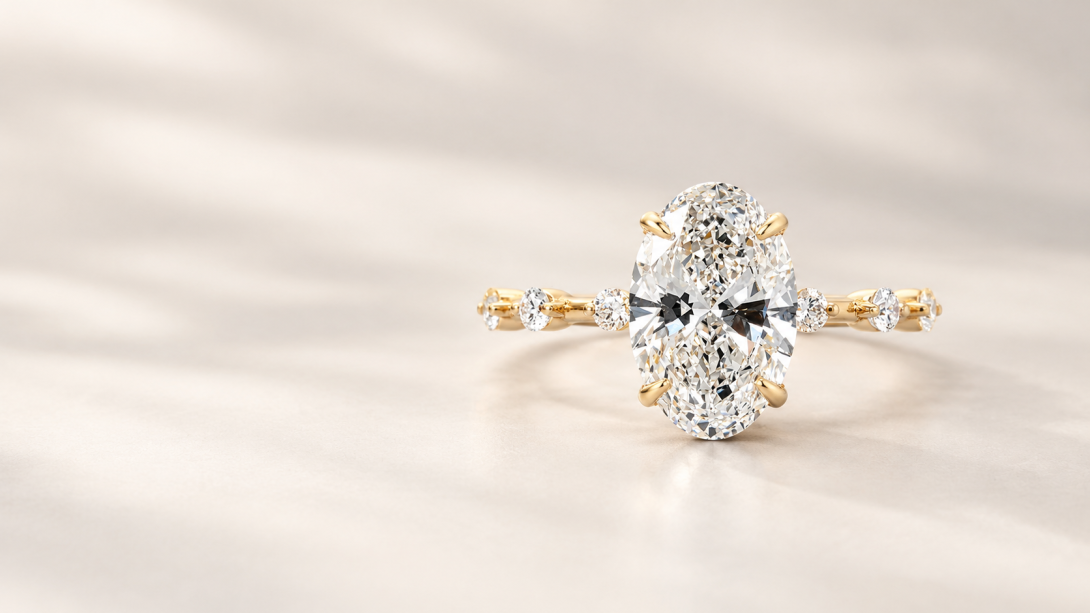
Choosing an engagement ring is an important decision, but you do not need to spend a huge amount to find a ring that looks beautiful and feels special. With careful planning, it is possible to find engagement rings under 2000 that suit your partner’s taste while staying within your budget. The key is knowing where your money matters most, especially when selecting the diamond.
A $2,000 budget gives you several options, but it also means you should compare diamonds carefully. Instead of focusing only on carat weight, consider the diamond’s cut, color, clarity, shape, and the ring setting. A good balance between these features can help you find a diamond that looks attractive without paying for qualities that may not be noticeable to the naked eye.
Start With Your Total Budget
Before looking at diamonds, decide how much of your $2,000 budget you want to spend on the complete ring. The diamond is only one part of the cost. You may also need to account for the setting, metal, taxes, shipping, resizing, and any additional details.
For example, spending the entire budget on the center stone may leave little room for a quality setting. A slightly smaller diamond in a well-made ring can often be a better choice than a larger stone placed in a basic setting.
If you are specifically shopping for engagement rings for women under $2000, think about the overall design as well as the center diamond. The right ring should match the wearer’s style and be comfortable enough for everyday use.
Understand the 4Cs Before Buying
The 4Cs—cut, color, clarity, and carat—are the main characteristics used to describe a diamond.
Cut
Cut is one of the most important factors when choosing a diamond. It affects how well the stone handles and reflects light. A well-cut diamond can appear lively even when it is not particularly large.
When your budget is limited, giving priority to cut can be a smart approach. You may be able to choose a slightly lower color or clarity grade while still getting a stone that looks appealing when viewed normally.
Color
Diamond color refers to how much body color a diamond has. Higher grades generally cost more, but you do not always need the highest grade.
For a ring under $2,000, consider diamonds in the near-colorless range. Depending on the shape and setting, a stone with a little more warmth may still look very good.
Clarity
Clarity measures the presence of internal characteristics and surface marks in a diamond. Higher clarity grades tend to cost more.
Instead of automatically choosing the highest clarity available, look at the actual stone. Some inclusions are difficult to see without magnification. A diamond that appears clean to the naked eye can offer better value than one with a much higher clarity grade.
Carat
Carat refers to the weight of the diamond, not its visual size. Two diamonds with the same carat weight can appear different in size because of their shape and proportions.
If size is important to you, compare diamonds with similar measurements rather than looking only at the carat number.
Choose a Diamond Shape That Fits the Budget
The shape of the diamond can influence both its appearance and price. Round diamonds are highly popular, but they can also command a higher price than some other shapes.
Oval, pear, cushion, emerald, and marquise shapes may provide different looks and can sometimes offer more visible size for the money.
For shoppers comparing diamond engagement rings under $2000, exploring several diamond shapes is worth the time. You may discover that a less expensive shape gives you the look you want while leaving enough money for a better setting.
The best shape ultimately depends on personal preference. Some people prefer the classic appearance of a round stone, while others like elongated shapes that can make the finger appear longer.
Pay Attention to Diamond Measurements
Carat weight should not be your only measurement when comparing stones. Look at the diamond’s length and width as well.
This is especially useful when comparing elongated shapes. Two diamonds may have similar carat weights but different dimensions, making one appear larger from the top.
If you are shopping online, check the listed measurements and look closely at photographs or videos provided by the seller. A clear view of the actual stone can tell you much more than the carat number alone.
Select the Right Metal
The ring’s metal also affects the final price. Gold and platinum have different price points, and gold itself comes in several options.
Yellow gold can give a warm traditional appearance, while white gold has a lighter, silver-colored look. Rose gold offers another option for someone who prefers warmer tones.
If the budget is strict, compare different metals before reducing the quality of the diamond. The right combination can help you create a ring that fits your budget without making the center stone the only consideration.
Think About the Ring Setting
The setting protects the diamond and determines much of the ring’s overall appearance. Prong settings are common and can allow plenty of light to reach the center stone. Bezel settings surround the diamond with metal and can provide additional protection.
Halo settings place smaller stones around the center diamond and can make the center appear larger. However, additional stones and more detailed work can increase the overall cost.
A simple setting can be a practical choice if you want to put more of the budget toward the center diamond.
Consider Lab-Grown Diamonds
If getting more carat weight within a $2,000 budget is important, compare natural and lab-grown diamonds.
Lab-grown diamonds have essentially the same chemical composition and crystal structure as natural diamonds, while their origin is different. They are produced in controlled laboratory environments rather than formed naturally underground.
Because pricing can differ, a lab-grown option may allow you to consider a larger center stone while staying within your budget. Make sure you understand the seller’s grading documentation and purchase policies before making a decision.
Check the Diamond Grading Report
A diamond grading report gives you important information about the stone’s characteristics. When possible, look for a diamond accompanied by a report from a respected independent gemological laboratory.
Review the report carefully and compare its information with the seller’s listing. Check the carat weight, measurements, color, clarity, cut grade where applicable, and any identifying details.
This extra step can help you make a more informed purchase instead of choosing a diamond based only on photographs.
Compare Several Rings Before Buying
It is easy to become attached to the first ring you see, especially when the design matches your taste. However, comparing several options can reveal meaningful differences in price and specifications.
Create a short list of rings and compare:
- Diamond shape
- Carat weight
- Cut quality
- Color
- Clarity
- Diamond measurements
- Metal type
- Setting style
- Grading report
- Return and resizing policies
This makes it easier to see which ring offers the best overall value.
Do Not Ignore the Return and Warranty Policies
Price is important, but the buying experience matters too. Before placing an order, read the seller’s return policy carefully.
Find out how many days you have to return the ring, whether customized rings are returnable, and whether resizing is included. You should also check what type of warranty or service is offered.
These details can become important if the ring does not fit correctly or looks different from what you expected.
Look Beyond Carat Size
A common mistake is choosing a ring based almost entirely on carat weight. A bigger diamond is not automatically a better diamond.
For a limited budget, it can be more sensible to choose a well-cut stone with reasonable color and clarity rather than spending most of your money on carat weight alone.
The goal is to find a diamond that looks good to you and fits the ring design. If a slightly smaller stone gives you better proportions and leaves room for a stronger setting, it may be the better purchase.
Find a Style That Matches Her Personality
An engagement ring is something the wearer may use every day, so her personal style should be part of the decision.
If she prefers simple jewelry, a solitaire may be a good choice. If she likes detailed designs, a halo or side-stone setting could be more suitable. Someone who enjoys vintage-inspired jewelry may prefer a ring with decorative metalwork.
For this reason, engagement rings under $2000 should not be judged by price alone. The right ring combines a suitable diamond with a design that feels appropriate for the person receiving it.
You can also explore collections from established jewelry brands such as Antiquecut when comparing different designs and price points.
Make the Most of Your $2,000
If your goal is to buy engagement rings under 2000, start by deciding which features matter most to you. Perhaps you want a larger center stone, a particular diamond shape, a specific metal, or a detailed setting.
Once you know your priorities, divide the budget accordingly. Avoid paying extra for grades or features that do not make a visible difference to you.
For example, you might choose a slightly lower clarity grade if the diamond remains eye-clean, then use the savings toward a better cut or a more attractive setting.
Final Thoughts
Finding the right ring on a $2,000 budget is possible when you shop with a plan. Focus on the diamond’s cut, compare color and clarity carefully, consider different shapes, and pay attention to the setting and metal.
Do not feel pressured to choose the largest diamond available. A balanced ring can look far more appealing than one that puts nearly the entire budget into carat weight.
Whether you are searching for an engagement ring under 2000 for a proposal or comparing several engagement rings under $2000, take your time and review the complete details before buying. A thoughtful choice will help you find a ring that fits both your budget and the person who will wear it.