
Introduction
When buying a round lab grown diamond, one of the first things you should pay attention to is its cut grade. It has a big impact on how much the diamond sparkles and how attractive it looks when light hits it.
For most buyers, an Excellent or Ideal cut round lab grown diamond is a great choice. Both can offer beautiful brilliance without stretching your budget too much. If you want more precise light performance and don't mind spending extra, a Super Ideal cut is another option worth considering.
But what do these grades actually mean? And is an expensive Super Ideal diamond really better than an Excellent cut?
Before making a decision, it's worth understanding how diamond cuts work and what to look for when comparing different stones.
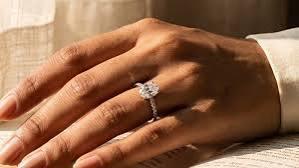
Whether you're shopping for an engagement ring or a special gift, take a look at these round cut lab grown diamond rings to compare different styles and settings.
Let's look at the different cut grades and find out which one makes the most sense for your budget.
Why Is Cut Grade So Important for Round Diamonds?
Have you ever seen two diamonds of the same size, but one looks noticeably brighter than the other? The difference could come down to how well each diamond is cut.
A round brilliant diamond is designed with carefully arranged facets that reflect and return light. When the proportions are right, light travels through the stone and reflects back towards the viewer, creating that familiar diamond sparkle.
A well-cut round diamond usually displays three things:
- Brilliance: The white light you see when looking at the diamond.
- Fire: The colourful flashes that appear when light passes through the stone.
- Scintillation: The sparkle you notice as the diamond or your hand moves.
If a diamond is cut too deep or too shallow, some light may escape through the bottom or sides. As a result, the stone can look darker or less lively.
This is why it's worth paying attention to cut quality instead of choosing a diamond based on carat weight alone.
Understanding Round Lab Grown Diamond Cut Grades
When comparing diamonds, you will commonly come across terms such as Excellent, Ideal, and Super Ideal.
One thing to remember is that not every grading laboratory uses the same terminology. For example, GIA uses Excellent as its highest standard cut grade for round brilliant diamonds, while IGI and some retailers use Ideal. Super Ideal is generally a specialised retail or industry term rather than a universal grading category.
Here's what you should know about each option.
1. Ideal Cut Round Diamond
An Ideal cut round diamond is designed to offer excellent brightness and sparkle. Its proportions and facet arrangement are selected to help light return through the top of the stone.
When you look at a well-made Ideal cut diamond, you should notice attractive brightness and lively flashes of light.
What makes it a good choice?
- Excellent potential for light reflection.
- Attractive brilliance and fire.
- Carefully balanced proportions.
- A beautiful appearance in different ring settings.
The term Ideal is used differently by different laboratories and retailers, so always check the grading report rather than relying on the label alone.
Who should buy it?
If you want a beautiful round diamond without paying extra for a premium Super Ideal designation, an Ideal cut is worth considering.
It works particularly well for solitaire engagement rings, halo designs, and everyday jewellery.
2. Excellent Cut Lab Grown Diamond
Excellent is the highest standard cut grade in GIA's round brilliant diamond cut grading system.
It means the diamond meets GIA's top cut-quality requirements, which consider factors such as proportions, brightness, fire, scintillation, weight ratio, durability, polish, and symmetry.
For many buyers, an Excellent cut diamond is all they need.
Why do buyers choose Excellent cut?
- It can provide outstanding sparkle.
- It offers strong overall light performance.
- It is available in a wide range of carat weights.
- It gives buyers room to balance quality with price.
One important detail: two Excellent cut diamonds may not look exactly the same. Their proportions and visual performance can still differ.
Who should buy it?
An Excellent cut is a sensible choice for first-time diamond buyers, couples shopping for engagement rings, and anyone who wants a beautiful stone without paying extra for a specialised cut label.
Our suggestion: Start your search with Excellent cut diamonds and compare their actual proportions and appearance before moving to more expensive options.
3. Super Ideal Cut Diamond
If you want something a little more specialised, you may come across Super Ideal cut diamonds.
These diamonds are selected or marketed for particularly precise proportions, facet alignment, and optical symmetry. Some are also known as hearts-and-arrows diamonds because they display distinctive patterns under specialised viewing equipment.
What makes Super Ideal different?
Depending on the diamond and the retailer's standards, you may find:
- Carefully selected proportions.
- Excellent optical symmetry.
- Precise facet alignment.
- Strong light return.
- Distinctive hearts-and-arrows patterns in qualifying stones.
However, Super Ideal is not a standardised grading term used by every diamond laboratory. Ask the seller how the diamond qualifies for this designation and whether optical images are available.
Who should buy it?
Super Ideal is a good option for buyers who pay close attention to diamond craftsmanship and want a premium round brilliant stone.
Is it worth spending more?
That depends on the individual diamond.
If a Super Ideal diamond has verified optical advantages that you can see and appreciate, the higher price may be justified. But if an Excellent cut diamond already has beautiful sparkle and proportions, there may be little reason to spend extra.
A higher price does not automatically mean a better-looking ring.
4. Good and Very Good Cut Diamonds
Not everyone wants to spend more on the highest cut grade, and that's understandable.
Very Good and Good cut diamonds can still look attractive, but you need to be more careful when comparing them.
Very Good cut
These diamonds can offer good sparkle and may be worth considering when you're working with a tighter budget. Look closely at the proportions and check for dark areas or noticeable light leakage.
Good cut
Good cut diamonds may have less balanced proportions and weaker light performance. Some can still look attractive, but they require more careful inspection.
For an engagement ring that you plan to wear every day, we generally recommend starting with Excellent or Ideal options.
Excellent vs. Ideal vs. Super Ideal: Quick Comparison
Here is a simple comparison to help you decide.
Cut Grade
Sparkle
Light Performance
Price Positioning
Best For
Excellent
Excellent
Strong
Good value
Most buyers
Ideal
Excellent
Strong to excellent
Premium
Quality-focused buyers
Super Ideal
Potentially exceptional
Carefully optimised
Higher price
Luxury buyers
Very Good
Good to very good
Varies
Budget-friendly
Value shoppers
Good
Varies
May have compromises
Lower price
Buyers on tight budgets
Note: Cut terminology and grading standards vary between laboratories and retailers. These categories should not be treated as directly interchangeable.
Which Cut Grade Should You Choose?
Still unsure which one to pick? It helps to start with what matters most to you.
Here are our recommendations for different types of buyers.
Best overall value: Excellent or Ideal
For most people, this is where the search should begin. You can get a beautiful-looking diamond with strong sparkle without paying extra for a premium designation.
Best for maximum optical precision: Super Ideal
If you appreciate carefully aligned facets and want to invest in a premium stone, Super Ideal is worth comparing. Just make sure the seller can support the claim with actual optical evidence.
Best for a smaller budget: Very Good
If you find a Very Good cut diamond that looks bright and attractive in real photographs and videos, it may be worth considering. Don't buy it based on price alone.
Best for engagement rings: Excellent or Ideal
An engagement ring is something you'll probably wear regularly. Choosing a well-cut diamond helps ensure that it continues to look beautiful in everyday settings.
Our recommendation is simple: prioritise cut first, then find a comfortable balance between carat weight, colour, and clarity.
What Else Affects a Diamond's Sparkle?
Cut grade gives you a useful starting point, but there's more to consider when choosing a round lab grown diamond.
1. Diamond Proportions
A diamond's proportions influence how it handles light. A few measurements are particularly important.
- Table percentage: Refers to the flat surface at the top of the diamond.
- Depth percentage: Measures how deep the diamond is compared with its average width.
- Crown angle: Describes the angle of the upper section.
- Pavilion angle: Describes the angle of the lower section.
These measurements work together. A good combination helps the diamond reflect light effectively.
Don't judge a diamond using just one measurement. The overall proportions matter more.
2. Polish and Symmetry
Polish and symmetry are two details worth checking on the grading report.
Polish refers to how smooth the diamond's surface is. Symmetry describes how accurately its facets are arranged.
For a high-quality round diamond, Excellent or Very Good grades in both areas are good starting points.
3. Fluorescence
Some diamonds show fluorescence when exposed to ultraviolet light.
It is not necessarily a problem. Many diamonds with fluorescence look perfectly attractive in everyday lighting.
However, if you are comparing two similar diamonds, check their fluorescence information and ask to see the actual stones.
4. Certification
A grading report helps you understand what you're buying.
IGI and GIA are two recognised names buyers commonly encounter when shopping for lab grown diamonds.
Before purchasing, check:
- Diamond origin.
- Carat weight.
- Colour and clarity.
- Cut grade or quality assessment.
- Measurements.
- Polish and symmetry.
- Fluorescence, where reported.
Remember that grading reports from different laboratories may use different terminology and assessment methods.
5. Real Photos and Videos
This is one step many online buyers overlook.
A grading report tells you about the diamond's specifications, but it cannot show you exactly how attractive the stone looks to your eyes.
Ask the seller for actual photographs and videos of the diamond.
Try to check:
- How it looks from the top.
- How it looks from the side.
- Whether it has noticeable dark areas.
- How it performs under different lighting.
- Whether hearts-and-arrows images are available if the diamond is advertised as Super Ideal.
Seeing the actual diamond makes it much easier to compare your options.
Common Mistakes to Avoid
A few small mistakes can lead to spending more than necessary or choosing a diamond that doesn't meet your expectations.
Choosing size over cut: A larger diamond isn't always the better choice. A smaller, well-cut stone can have more attractive sparkle.
Assuming every Excellent diamond looks the same: The grade is important, but proportions and actual light performance still matter.
Ignoring polish and symmetry: These details contribute to the overall quality of the diamond.
Buying without actual photos: Don't rely entirely on stock product images. Ask to see the exact stone.
Paying extra for a label: Super Ideal can be an excellent choice, but make sure you're paying for measurable quality rather than just a marketing term.
Frequently Asked Questions
1. What is the best cut grade for a round lab grown diamond?
Excellent or Ideal is generally the best starting point for most buyers. Both can provide beautiful sparkle and strong light performance. Super Ideal is another option for those looking for carefully optimised proportions.
2. Is Ideal better than Excellent cut?
Not automatically. The terms come from different grading systems and retailers, so their definitions can vary. Compare the grading report and diamond proportions before deciding.
3. Is Super Ideal cut worth the extra cost?
It can be worth the additional price if the diamond has verified optical precision and noticeably better light performance. However, a well-selected Excellent cut diamond may look just as beautiful to many buyers.
4. Does cut grade affect diamond sparkle?
Yes. Cut quality has a major influence on how a round diamond reflects light. A well-cut diamond generally looks brighter and produces more attractive flashes of light.
5. Can a Very Good cut diamond still look good?
Yes. Some Very Good cut diamonds can look beautiful. Check the proportions and request actual photos or videos before purchasing.
6. What cut grade offers the best value?
Excellent or Ideal usually offers the best balance of appearance, quality, and price for most buyers.
7. Does a higher cut grade make a diamond look bigger?
Not necessarily. Carat weight and face-up measurements determine physical size. However, good cut quality can make a diamond look brighter and more attractive.
8. Should I prioritise cut over colour or clarity?
For round brilliant diamonds, prioritising cut is generally a good decision. A well-cut diamond with G–H colour and eye-clean clarity can be an excellent choice without paying extra for the highest specifications.
Final Buying Checklist
Before placing your order, take a moment to check these details:
- Choose Excellent or Ideal as your starting point.
- Compare Super Ideal only when optical evidence is available.
- Check table and depth percentages.
- Review crown and pavilion angles.
- Check polish and symmetry grades.
- Review fluorescence information.
- Verify the diamond grading report.
- Ask for real photographs and videos.
- Compare carat weight, colour, and clarity.
- Check the return policy and warranty.
- Compare the complete ring price, including the setting.
Conclusion
Finding the right round lab grown diamond doesn't have to be complicated. Once you understand how cut quality affects sparkle, comparing different diamonds becomes much easier.
For most buyers, Excellent or Ideal is a great place to start. Both can offer the brightness and brilliance that make round diamonds so popular. If you want something more specialised, a verified Super Ideal diamond is worth considering.
Take your time, compare the actual stones, and choose a diamond that looks beautiful to you rather than simply choosing the highest-priced option.
Ready to find your next favourite piece? Browse the round cut lab grown diamond rings collection at Luxurian Jewels and explore different designs to find a ring that matches your style and budget.