

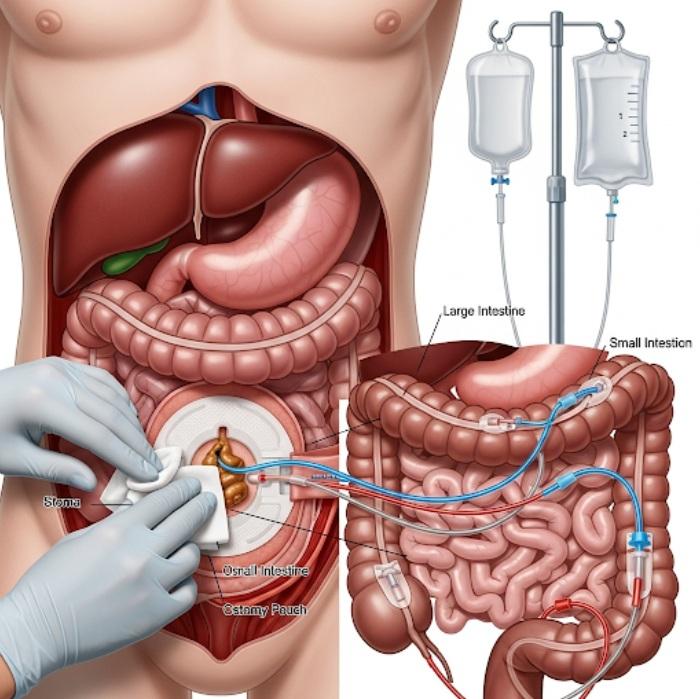
Bowel care is an important aspect of personal care for some people with disabilities. Support workers may assist participants with bowel care management to help maintain hygiene and comfort and to follow individualized care plans. Workers can provide support that respects participants’ dignity and preferences by upholding professional boundaries and understanding their roles. This is achieved through training.
Training disability support workers in bowel care helps them learn about risk management and communication, and infection control and prevention. The eMaster HUB is a training platform for disability support and other allied health care workers to learn about participant-centered principles of care.
Attention to detail is essential when learning to provide bowel care. This includes consideration of workplace policies, individual preferences, standard procedures, and the importance of personal protective equipment, a clean care environment, and the individual’s privacy.
In addition, training may cover participant support plans and the importance of documenting and reporting the support provided, any concerns to a health professional, and seeking clinical supervision when in doubt. The eMaster HUB has courses that may help workers understand principles of care involving dignity and choice.
Bowel care involves the support worker’s understanding of informed consent and respecting the individual’s preferences and needs, as well as being culturally aware and sensitive.
Support workers should explain care activities, work with an individual’s preferences, and provide the support described in the participant’s support plan. Support workers should also recognize and report concerns, follow reporting procedures, and maintain the individual’s confidentiality. Bowel care training is one way of teaching care activities that reinforce these skills.
Understanding NDIS Requirements and Best Practices
Disability support workers must have a basic understanding of the rules and best practices related to their work within the NDIS. Bowel care can be categorized as a high impact personal activity and, if required, the worker may need participant-specific training, demonstrated competency, and adherence to NDIS and provider requirements.
Completing a general online course does not make a person competent to perform all bowel care procedures. It is the responsibility of the employer, in conjunction with the relevant health professional, to determine the training and supervision required for the participant and to assess the worker’s competency in performing the required bowel care procedures.
eMaster HUB can help with locating potential learning pathways. Learning should be informed by reviewing the course outline and assessment arrangements to determine the learner’s suitability for their intended duties.
Advance Your Career
Developing appropriate bowel care knowledge allows disability support workers to provide care in an informed, professional, and respectful manner. Understanding the requirements and practices of safe individualized support is integral to the provision of health care support.
If you want to enhance your knowledge, explore the bowel care training for disability support workers available at eMaster HUB. Before enrolling in training, find out whether this is what your workplace needs, and determine whether additional practical assessment or personalized instruction is required.
Engaging in training will provide you with the means to learn the skills needed to offer more informed, respectful, and person-centered support to individuals with disability. Learn more! Visit https://emasterhub.com.au/product/complex-bowel-care/