

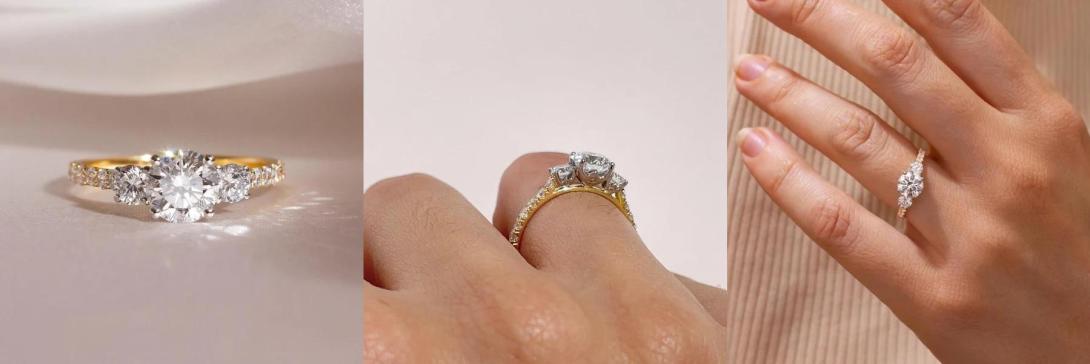
Buying an engagement ring for the first time can feel exciting and stressful at the same time. Most people do not purchase diamond jewelry regularly, so it is natural to have questions. From understanding diamond quality to selecting a ring style, there are many factors that influence the final choice.
The good news is that today's buyers have access to more information and more options than ever before. This allows people to compare products carefully and make decisions based on their needs instead of relying solely on tradition.
Among the many choices available today, lab grown diamond engagement rings have become increasingly popular. For first-time buyers, understanding how these diamonds work and what factors matter most can make the shopping experience much easier.
Start With Your Priorities
Before looking at ring designs, take time to decide what matters most to you.
Some buyers focus on:
- Diamond size
- Ring design
- Budget
- Daily comfort
- Long-term durability
There is no right or wrong answer. Your priorities should reflect your personal preferences and financial situation.
Creating a list of must-have features before shopping can prevent confusion later and help narrow your options.
Understanding Lab-Grown Diamonds
One of the most common questions from first-time buyers is whether lab-grown diamonds are real diamonds.
The answer is yes.
Lab-grown diamonds have the same chemical composition, hardness, and appearance as mined diamonds. They are produced using advanced processes that recreate the conditions under which natural diamonds form.
As a result, they look and perform like mined diamonds while providing buyers with additional choices.
Why Buyers Are Considering Them
People often choose lab-grown diamonds because they can explore:
- Higher diamond grades
- Larger carat sizes
- More setting options
- Better overall value within a budget
This flexibility is one reason they continue to attract attention among couples preparing for engagement and marriage.
Learn the Four Important Diamond Factors
Before purchasing any diamond ring, it helps to understand the key characteristics used to evaluate diamonds.
Cut Quality
Cut affects how a diamond reflects light.
A well-cut diamond generally appears brighter and more balanced. Even a large diamond may look less attractive if the cut quality is poor.
Many experts consider cut one of the most important factors when evaluating a diamond.
Color Grade
Diamonds are graded based on the amount of color visible within the stone.
Some people prefer near-colorless diamonds, while others choose slightly lower grades to maximize budget flexibility.
The right choice depends on your personal preferences and ring design.
Clarity Grade
Clarity measures internal and external characteristics within a diamond.
Many inclusions are difficult to notice without magnification, making it possible to select diamonds that appear clean to the naked eye without paying for extremely high clarity grades.
Carat Weight
Carat refers to the weight of the diamond.
Larger diamonds generally cost more, but size should always be considered alongside cut, color, and clarity to create the best overall balance.
Choosing the Right Diamond Shape
The shape of a diamond influences the appearance of the entire ring.
Different shapes create different visual effects.
Round Shape
Round diamonds remain one of the most popular choices because of their balanced appearance and versatility.
Oval Shape
Oval diamonds create an elongated look and can make fingers appear longer.
Cushion Shape
Cushion-cut diamonds feature softer edges and a shape that many buyers find comfortable for daily wear.
Pear Shape
Pear-shaped diamonds combine rounded and pointed features, creating a distinctive appearance.
Emerald Shape
Emerald-cut diamonds focus on clean lines and a structured design rather than visual brilliance.
Choosing a shape is largely a personal decision, so spend time comparing different options before making a selection.
Don't Overlook Ring Settings
Many first-time buyers focus entirely on the diamond and forget about the setting.
The setting plays a major role in both appearance and durability.
Solitaire Setting
A solitaire setting highlights the center stone and remains a popular choice among buyers who prefer simplicity.
Halo Setting
A halo setting surrounds the center diamond with smaller stones, creating additional visual impact.
Bezel Setting
A bezel setting surrounds the diamond with metal, offering additional protection for people with active lifestyles.
Three-Stone Setting
Three-stone rings feature a center diamond accompanied by two side stones, creating a balanced appearance.
Each setting offers different advantages, so consider both appearance and practicality.
Think About Daily Wear
An engagement ring is often worn every day.
For this reason, comfort should be part of the buying process.
Ask yourself:
- Will the ring catch on clothing?
- Is the setting secure?
- Is the band comfortable?
- Can it handle daily activities?
Many buyers discover that a comfortable ring becomes far more important after wearing it regularly.
Budget Planning Matters
One of the biggest mistakes first-time buyers make is shopping without a budget.
Having a spending plan helps narrow your choices and prevents unnecessary stress.
A practical budget allows you to balance:
- Diamond quality
- Ring setting
- Metal type
- Customization options
Many buyers appreciate that lab created diamond rings can provide greater flexibility when allocating their budget.
Selecting the Right Metal
The ring's metal affects both appearance and durability.
Platinum
Platinum is known for its strength and resistance to wear.
White Gold
White gold remains a common choice because of its bright appearance.
Yellow Gold
Yellow gold offers a traditional look and pairs well with many diamond shapes.
Rose Gold
Rose gold has a distinctive color that appeals to buyers looking for something different.
Each metal has its own advantages, making personal preference an important factor.
Compare Certification Reports
A certification report provides important information about a diamond's quality.
Before purchasing a diamond, review grading reports carefully.
These reports help buyers understand:
- Cut grade
- Color grade
- Clarity grade
- Carat weight
Comparing certified diamonds makes it easier to evaluate different options fairly.
Questions First-Time Buyers Often Ask
Is Bigger Always Better?
Not necessarily.
A well-cut diamond often appears more attractive than a larger diamond with lower quality characteristics.
Should I Prioritize Size or Quality?
The answer depends on your personal preferences and budget.
Many buyers prefer a balanced approach that combines good quality with an appropriate size.
How Long Should Research Take?
There is no fixed timeline.
Some buyers make a decision within days, while others spend several months comparing options.
The goal is to feel comfortable with your final choice.
Avoid Common Buying Mistakes
First-time buyers can avoid many problems by taking a thoughtful approach.
Common mistakes include:
- Ignoring ring comfort
- Focusing only on carat weight
- Rushing the purchase
- Skipping diamond certification
- Not comparing multiple options
Taking extra time during the research phase can lead to a better buying experience.
If you want to know more on lab grown diamond engagement rings, spend time understanding diamond quality, ring settings, and long-term wearability before making a final decision.
Finding a Ring That Reflects Your Style
An engagement ring is a personal purchase.
Some people prefer simple designs, while others enjoy detailed settings or unique diamond shapes.
There is no universal standard that works for everyone.
The best ring is one that feels comfortable, matches your preferences, and fits your budget.
Many buyers explore collections from brands such as Antiquecut while comparing different styles and settings to determine which option suits them best.
Final Thoughts
Buying an engagement ring for the first time can feel overwhelming, but understanding the basics makes the process much easier.
By learning about diamond quality, comparing ring settings, evaluating daily comfort, and planning your budget carefully, you can make a confident decision.
Lab grown diamond engagement rings continue to attract attention because they provide buyers with more choices while maintaining the characteristics people expect from a diamond. Taking the time to research and compare options will help you find a ring that feels right for both the present and the future.