
The Secure Access Service Edge (SASE) Market is growing as organizations modernize enterprise networks, adopt cloud applications, and support employees working from multiple locations. Traditional network security architectures often rely on separate networking and security solutions, creating operational complexity and making it difficult to maintain consistent protection across distributed environments.
Download free sample report here: https://qksgroup.com/download-sample-form/spark-matrix-secure-access-service-edge-sase-q4-2025-9888
SASE combines networking and security capabilities into an integrated, cloud-delivered architecture. By bringing together technologies such as software-defined wide area networking (SD-WAN), secure web gateways (SWG), cloud access security brokers (CASB), firewall as a service (FWaaS), and zero-trust network access (ZTNA), SASE helps organizations provide secure access to applications and data from different locations.
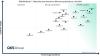
Artificial intelligence (AI), cloud-native security, zero-trust access, and centralized policy management are reshaping the SASE solutions market. QKS Group's Secure Access Service Edge (SASE), Q4 2025 SPARK Matrix™ evaluates leading vendors and provides insights into emerging technologies, competitive differentiation, and market positioning.
Key Market Drivers Shaping Secure Access Service Edge
1. Growing Demand for Secure Remote and Hybrid Work
Distributed workforces require secure, reliable access to enterprise applications regardless of employee location or device. Traditional perimeter-based security models can struggle to provide consistent protection across remote users, branch offices, and cloud environments.
SASE solutions deliver networking and security capabilities through a unified architecture, helping organizations apply consistent access policies across distributed environments. This approach supports workforce flexibility while improving visibility and simplifying security administration.
2. Accelerating Cloud Adoption and Digital Transformation
Enterprises increasingly depend on software-as-a-service (SaaS) applications, public cloud infrastructure, and distributed digital services. Routing all traffic through centralized data centers can introduce latency and create operational bottlenecks.
Cloud-delivered SASE services help organizations connect users to applications while applying security policies closer to the user or resource. This can improve access performance, simplify network management, and support cloud-first transformation strategies.
3. Increasing Cybersecurity Threats and Zero-Trust Adoption
Organizations face evolving threats, including credential theft, ransomware, phishing, and unauthorized access to sensitive applications. Traditional security models that automatically trust users or devices inside the corporate network are increasingly insufficient.
SASE supports zero-trust security principles by enabling identity-aware access controls, continuous policy enforcement, and inspection of network traffic. These capabilities help organizations reduce unnecessary access and strengthen protection across distributed IT environments.
Click Here: https://qksgroup.com/market-research/spark-matrix-secure-access-service-edge-sase-q4-2025-9888
Emerging Technology Trends in the SASE Market
AI-Powered Network Security and Threat Detection
Artificial intelligence and machine learning are enhancing security analytics by helping organizations identify suspicious activity, detect anomalies, and prioritize potential threats. AI-assisted capabilities can improve investigation workflows and help security teams respond to emerging risks.
Within SASE environments, intelligent analytics can support threat detection, policy recommendations, and operational visibility across network and security functions. Organizations should assess the accuracy, transparency, and governance of AI-driven capabilities when evaluating solutions.
Convergence of Networking and Security
One of the most important trends in the SASE market is the integration of networking and security functions into a unified service architecture. Instead of managing multiple disconnected products, organizations can coordinate connectivity, access control, traffic inspection, and security policies through a more integrated platform.
This convergence can reduce management complexity, improve policy consistency, and help IT teams coordinate network and security operations more efficiently.
Zero-Trust Network Access
Zero-trust network access is a core capability within many SASE offerings. It provides application-level access based on user identity, device context, and organizational policies rather than granting broad network access by default.
ZTNA helps organizations reduce excessive permissions, improve access visibility, and support secure connectivity for remote employees and third-party users. Integration with identity providers and endpoint security tools can further strengthen access governance.
Cloud-Native Security and Distributed Protection
As applications and workloads move across cloud and hybrid environments, organizations need security controls that can scale with changing infrastructure. Cloud-delivered security services help centralize policy management while supporting protection across distributed users and locations.
Know more for information: https://qksgroup.com/sparkplus?market-id=443&market-name=secure-access-service-edge-%28sase%29
SASE platforms can integrate multiple security functions, including secure web gateways, cloud access security brokers, and firewall as a service. This architecture helps organizations manage security policies more consistently across applications and network connections.
Unified Management and Security Visibility
Managing networking and security through separate tools can lead to fragmented visibility and inconsistent policies. SASE platforms increasingly provide centralized management capabilities that bring together access policies, network performance information, and security events.
Unified visibility can help teams investigate incidents, identify configuration issues, and understand user access patterns. It can also support more consistent governance across branches, remote users, cloud applications, and data centers.
SD-WAN Integration and Network Performance Optimization
Software-defined wide area networking supports flexible connectivity across branch offices, cloud services, and remote locations. When integrated with SASE, SD-WAN capabilities can work alongside security controls to improve application access and policy enforcement.
Organizations can benefit from coordinated network routing and security inspection while simplifying branch connectivity. The value of this integration depends on application requirements, network architecture, and the organization's existing infrastructure.
Leading Secure Access Service Edge Vendors
QKS Group's Secure Access Service Edge (SASE), Q4 2025 SPARK Matrix™ evaluates leading providers operating across the SASE technology landscape.
The vendors included in the research are: Barracuda Networks, Cato Networks, Check Point Software Technologies, Cisco, Cloudflare, Ericsson, Fortinet, HPE Aruba Networking, HPE Juniper Networking, Huawei, iBoss, Netskope, Open Systems, Palo Alto Networks, SonicWall, Versa Networks, and Zscaler.
These vendors offer different approaches to networking and security convergence, cloud-delivered protection, secure remote access, and centralized policy management. Organizations should compare their capabilities against business requirements, network complexity, existing security investments, and long-term digital transformation objectives.
Future Outlook for the Secure Access Service Edge Market
The SASE market will continue to evolve as organizations adopt cloud applications, expand distributed workforces, and consolidate networking and security operations. Demand for zero-trust access, AI-assisted threat detection, unified policy management, and cloud-delivered security is expected to shape future platform development.
Enterprises are increasingly evaluating SASE as a strategic architecture rather than a limited networking or security deployment. Integrated solutions can help simplify infrastructure, strengthen protection, and support secure access across users, devices, applications, and locations.
Vendors that combine strong security capabilities, reliable network performance, simplified management, and flexible cloud integration will be well positioned to address changing enterprise requirements.
QKS Group's SPARK Matrix™ provides valuable insights into emerging SASE trends and leading technology vendors, helping organizations make informed decisions about their networking and security investments.
Become a client: https://qksgroup.com/become-client
Frequently Asked Questions (FAQs)
1. What is Secure Access Service Edge (SASE)?
Secure Access Service Edge (SASE) is a cloud-delivered architecture that combines networking and security capabilities to provide secure access to applications and data across distributed environments.
2. What is driving the growth of the SASE market?
Key drivers include cloud adoption, remote and hybrid work, increasing cyber threats, zero-trust security adoption, and the need to simplify network and security management.
3. What technologies are included in SASE?
SASE commonly integrates SD-WAN with security services such as zero-trust network access, secure web gateways, cloud access security brokers, and firewall as a service. The exact capabilities vary by vendor.
4. Which companies provide SASE solutions?
Vendors evaluated in QKS Group's Q4 2025 SPARK Matrix™ include Cato Networks, Cisco, Cloudflare, Fortinet, Netskope, Palo Alto Networks, Versa Networks, Zscaler, and other leading providers.
5. What is the difference between SASE and zero-trust network access?
SASE is a broader architecture that combines networking and multiple security services. ZTNA is a specific access security capability that provides controlled access to applications based on identity, device context, and policy. ZTNA can be part of a SASE solution.