
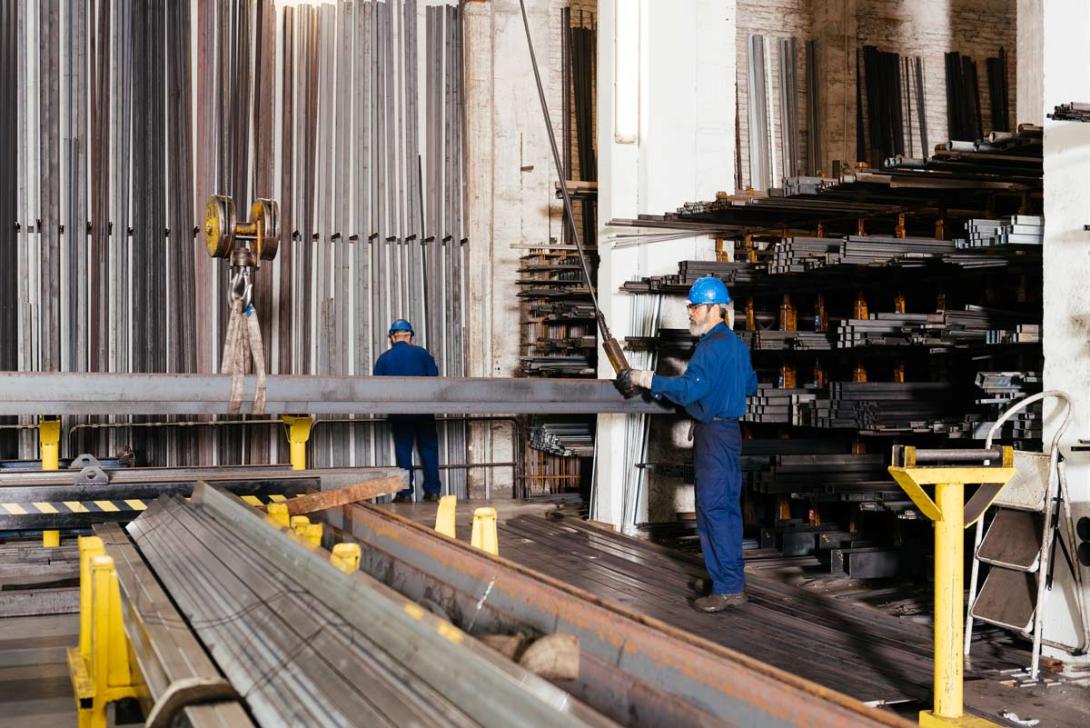
As environmental concerns continue to grow across Australia and around the world, businesses and households are looking for practical ways to reduce waste and conserve valuable resources. One of the most effective solutions is recycling metal. Metals are among the few materials that can be reused repeatedly without losing their essential properties, making them ideal for sustainable resource management.
From aluminium cans and steel appliances to copper wiring and industrial machinery, metal products are used in nearly every aspect of modern life. Rather than allowing these materials to end up in landfill, recycling helps transform them into valuable resources that can be used again and again. This process not only protects the environment but also supports economic growth and resource efficiency.
Why Metal Recycling Matters
The demand for raw materials continues to increase as industries expand and populations grow. Mining and processing new metals require significant amounts of energy, water, and land. These activities can also contribute to habitat destruction and greenhouse gas emissions.
Metal recycling provides an alternative by recovering existing materials and returning them to the manufacturing cycle. This reduces the need for extracting new resources while lowering environmental impact. Every tonne of recycled metal helps conserve natural resources and decreases the amount of waste sent to landfill sites.
In Australia, recycling initiatives play a vital role in supporting a circular economy, where materials remain in use for as long as possible rather than being discarded after a single purpose.
Environmental Benefits of Recycling Metal
One of the greatest advantages of Recycling Metal is its positive effect on the environment. Recycled metals require substantially less energy to process than newly mined materials. For example, producing aluminium from recycled sources uses far less energy than creating it from raw bauxite ore.
Key environmental benefits include:
- Reduced greenhouse gas emissions
- Lower energy consumption
- Conservation of natural resources
- Less landfill waste
- Reduced pollution from mining operations
These benefits contribute directly to a cleaner and more sustainable future for communities and industries alike.
Economic Advantages
Metal recycling is not only environmentally responsible but also economically beneficial. Recovered metals retain significant market value, creating opportunities for businesses, recycling facilities, and consumers.
Many companies generate revenue by selling scrap metal that would otherwise be discarded. Construction firms, manufacturers, automotive workshops, and demolition contractors often recover valuable materials such as steel, copper, brass, and aluminium.
The recycling industry also creates jobs across collection, transportation, sorting, processing, and manufacturing sectors. As demand for sustainable practices grows, the industry continues to expand and contribute to local economies.
Common Types of Recyclable Metals
Most metals can be recycled effectively. Some of the most commonly recycled materials include:
Steel
Steel is one of the most widely recycled materials in the world. It is commonly found in construction materials, appliances, vehicles, and packaging. Recycled steel can be used to produce new products without compromising quality.
Aluminium
Aluminium is lightweight, durable, and highly recyclable. Beverage cans, window frames, roofing materials, and automotive components often contain aluminium that can be recycled repeatedly.
Copper
Copper is valued for its excellent conductivity and is frequently used in electrical wiring, plumbing systems, and industrial equipment. Because of its high value, copper is one of the most sought-after recyclable metals.
Brass
Brass is commonly found in fittings, valves, plumbing fixtures, and decorative items. It can be recycled efficiently and reused in various manufacturing applications.
Stainless Steel
Known for its corrosion resistance and durability, stainless steel is widely used in kitchens, medical equipment, and industrial settings. Recycling helps preserve valuable alloy materials while reducing production costs.
The Metal Recycling Process
The process of recycling metal involves several important stages that ensure materials are recovered and prepared for reuse.
Collection
Metal waste is gathered from households, businesses, construction sites, factories, and demolition projects. Collection services help streamline this process and maximise recovery rates.
Sorting
Collected materials are sorted according to metal type. Advanced technologies, including magnets and specialised sensors, help identify and separate different metals efficiently.
Processing
The sorted metal is cleaned and processed to remove contaminants such as paint, plastic, or other non-metal materials.
Melting
The cleaned metal is melted in specialised furnaces. Different metals require different temperatures and handling methods.
Manufacturing
Once melted and purified, the metal is formed into raw materials that manufacturers use to create new products, completing the recycling cycle.
How Individuals Can Contribute
Everyone can play a role in supporting metal recycling efforts. Simple actions can make a meaningful difference over time.
Some practical steps include:
- Separating metal items from general waste
- Recycling aluminium cans and food containers
- Taking old appliances to authorised recycling facilities
- Selling scrap metal instead of discarding it
- Supporting businesses that use recycled materials
Small efforts from individuals, when combined across communities, can significantly reduce environmental impact and improve resource conservation.
The Future of Sustainable Resource Management
As governments, industries, and consumers become more environmentally conscious, the importance of metal recycling will continue to grow. Advances in recycling technology are making recovery processes more efficient, allowing higher volumes of materials to be reused.
Many businesses are also incorporating sustainability goals into their operations, recognising the long-term environmental and economic advantages of responsible resource management. By embracing Recycling Metal, organisations can reduce waste, lower operational costs, and demonstrate their commitment to environmental stewardship.
Conclusion
Metal recycling is one of the most effective ways to conserve resources, reduce environmental impact, and support a sustainable economy. By recovering valuable materials and reintroducing them into the manufacturing process, recycling helps minimise landfill waste, reduce energy consumption, and create economic opportunities.
Whether through household recycling efforts or large-scale industrial programs, every contribution matters. As awareness continues to grow, recycling metal will remain a key strategy in building a cleaner, greener, and more resource-efficient future for Australia and beyond.