

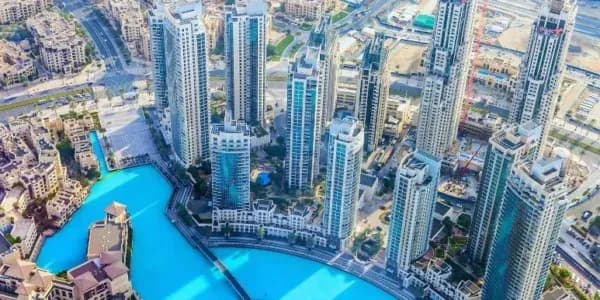
When people talk about Real Estate Dubai, the first thing that often comes to mind is the city’s glittering skyline — the Burj Khalifa, shimmering towers along Sheikh Zayed Road, and luxury villas tucked inside gated communities. But Dubai real estate is much more than an Instagram-worthy skyline. It’s about opportunity, lifestyle, and choice. Whether you’re an investor chasing high returns or a family looking for a safe, vibrant place to live, Dubai offers an incredible range of options.
For many, the journey begins with Off Plan Properties Dubai. These are developments you can buy before they’re completed — and they often come with lower entry prices, flexible payment plans, and the thrill of watching your property rise from the ground up. Others prefer ready-to-move homes where you can unlock the door and settle in immediately. Both paths have their charm, and both are reshaping what it means to live and invest in Dubai.
Why Real Estate Dubai Is in a League of Its Own
Dubai has always been a city of big ideas. From turning desert into green landscapes to building entire artificial islands, this city doesn’t think small. And the same goes for its property market.
One reason Real Estate Dubai stands apart is its openness to global investors. Unlike many cities, Dubai allows foreigners to buy freehold property in designated areas. That means true ownership — you’re not just leasing land, you’re holding it. Add to this a tax-free environment, a booming economy, and the city’s role as a hub connecting East and West, and you start to understand why investors from London to Mumbai, Moscow to Lagos, keep circling back to Dubai.
There’s also the lifestyle factor. Families love the safety (Dubai is consistently ranked one of the safest cities in the world). Professionals love the career opportunities and the cosmopolitan vibe. Retirees appreciate the sunshine, modern healthcare, and the sense of community in areas like Dubai Hills Estate or Arabian Ranches.
Off-Plan vs. Ready-to-Move: Choosing Your Path
If you’ve ever stood at a launch event for a new project, you know the buzz. Developers unveil glossy models, agents explain payment plans, and investors rush to secure units. That’s the magic of buying off-plan properties in Dubai. You’re getting in early, often at prices significantly below what the market will demand once construction is complete.
Let’s say you invest in an off-plan apartment in Business Bay today at AED 1 million. By the time it’s handed over in three years, the value could easily have risen 15–20%, depending on the market. That’s a healthy capital appreciation for anyone thinking long-term. Plus, many developers now accept flexible installments — 10% at booking, then staggered payments, sometimes even after handover.
On the flip side, ready-to-move properties give you something tangible right away. You can walk through the rooms, feel the layout, and move in or rent it out tomorrow. If you’re an investor, that means instant rental income. If you’re a homeowner, it means no waiting and no construction delays.
Prime Locations Defining Real Estate Dubai
Location is everything in real estate, and Dubai has a buffet of choices.
Downtown Dubai is for those who want to live at the city’s heartbeat — near Burj Khalifa, Dubai Mall, and the Opera House. Imagine waking up to fountain views or grabbing coffee at Souk Al Bahar.
Dubai Marina is for water lovers. High-rise apartments overlook yachts bobbing in the marina, while restaurants and shops keep the neighborhood buzzing. It’s especially popular among young professionals and expats.
Palm Jumeirah is luxury with a capital “L.” From villas with private beaches to branded residences like Atlantis The Royal, this island screams exclusivity.
Dubai Hills Estate is for families. With schools, parks, golf courses, and shopping centers, it’s designed as a self-contained community. You might see kids cycling safely on wide paths or neighbors chatting over a round of golf.
Business Bay is the city’s commercial hub. If you want proximity to Downtown without the premium, this area offers a mix of apartments that balance price with convenience.
Investment Potential: Why Dubai Keeps Delivering
One of the strongest pulls of Real Estate Dubai is rental yield. While global cities like London or New York may hover around 3–4%, Dubai often offers 6–8% on average, sometimes higher. Areas like Jumeirah Village Circle (JVC) or Dubai Sports City attract tenants seeking affordability, which keeps occupancy rates strong. Meanwhile, Downtown or Marina may demand higher rents but attract premium tenants — think executives, diplomats, or entrepreneurs.
There’s also the Golden Visa factor. Investing in property worth AED 2 million or more can make you eligible for a 10-year renewable residency. For many international buyers, this isn’t just about real estate; it’s about planting roots in a global hub.
The Emotional Side of Buying in Dubai
Ask any first-time buyer and they’ll tell you: it’s not just about ROI. It’s about feeling like you belong to a place that’s constantly evolving. One family I spoke with recently bought a townhouse in Arabian Ranches. They had lived in London for years but wanted more space, sunshine, and a safe environment for their kids. For them, it wasn’t the numbers on a spreadsheet but the sound of children playing in wide open spaces that sealed the deal.
That’s the beauty of Dubai real estate — it connects dreams with lifestyles. Whether it’s a bachelor buying a Marina studio to enjoy nightlife, or a retiree securing a Palm villa to wake up by the sea, each purchase carries its own story.
Navigating the Buying Process
Buying property in Dubai is surprisingly straightforward. You’ll need a valid passport, and if you’re buying off-plan, you deal directly with the developer. For ready-to-move homes, you’ll work with agents and the Dubai Land Department. Fees include a 4% DLD registration fee and agency commissions, usually around 2%.
Financing is also accessible. UAE banks offer mortgages to residents and even non-residents, though down payment requirements can vary. If you’re buying off-plan, most developers provide in-house payment structures that reduce the need for bank loans.
Common Misconceptions About Real Estate Dubai
One common myth is that only millionaires can afford property here. In reality, there are studio apartments starting from AED 400,000 in emerging communities. Another misconception is that foreigners can’t own property outright. As mentioned earlier, freehold zones give full ownership rights to international buyers.
People also worry about “ghost towers” — projects that never finish. While delays do happen, Dubai has tightened regulations significantly. Developers must meet strict escrow requirements, and the Real Estate Regulatory Authority (RERA) keeps a close watch.
Future Outlook: Where the Market Is Heading
With Dubai’s population projected to hit 7.8 million by 2040, demand for housing isn’t slowing down. Expo 2020 already left its legacy in District 2020 (now Expo City Dubai), and new mega-projects like Dubai Creek Harbour and Dubai South are attracting investors worldwide.
Technology is also reshaping the market. Virtual property tours, AI-powered real estate platforms, and blockchain-based transactions are making buying easier than ever. Imagine purchasing a villa from halfway across the world with just a few clicks. That’s not a distant dream — it’s happening now.
FAQs on Real Estate Dubai
Q1. Can foreigners buy property in Dubai?
Yes, foreigners can buy freehold property in designated zones, giving them full ownership rights.
Q2. What are the benefits of investing in off-plan properties in Dubai?
Lower prices, flexible payment plans, and potential capital appreciation. Plus, you get to buy into projects before they hit the resale market.
Q3. How much rental yield can I expect?
On average, yields range from 6–8%. In some communities, it can even touch 9–10%, depending on demand and property type.
Q4. Are there taxes on property in Dubai?
No annual property taxes. You’ll pay a one-time registration fee (4% of the property price) and standard transaction charges.
Q5. Is Dubai real estate safe to invest in?
Yes. With RERA regulations, escrow accounts, and strict developer requirements, the market has matured into one of the most secure in the region.
Q6. What’s the minimum amount needed to buy property?
Studios in areas like JVC can start from AED 400,000. Luxury villas on Palm Jumeirah, of course, cost significantly more.
Q7. Can I get residency by buying property?
Yes. Property purchases worth AED 2 million or more can qualify you for a Golden Visa, valid for 10 years.
Q8. How long does the buying process take?
For ready-to-move homes, it can be as quick as a few weeks if all documents and payments are in order.
Q9. What risks should I watch out for with off-plan purchases?
Construction delays are the main risk. Always choose reputable developers with a proven track record.
Q10. Which areas are best for rental income?
Dubai Marina, Downtown, JVC, and Business Bay are among the top choices, depending on your budget and tenant target.