
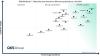
The Multi-Cloud Networking Software Market is gaining momentum as enterprises adopt multiple cloud platforms to improve scalability, flexibility, resilience, and business agility. Organizations increasingly distribute applications, workloads, and data across public, private, and hybrid cloud environments. However, connecting these environments securely and efficiently can create challenges related to network visibility, traffic management, policy enforcement, and operational complexity.
Download free sample report here: https://qksgroup.com/download-sample-form/spark-matrix-multi-cloud-networking-software-q4-2025-9628
As enterprises expand their cloud strategies, software-defined networking, network automation, AI-driven operations, and centralized cloud connectivity are becoming increasingly important. QKS Group's Multi-Cloud Networking Software, Q4 2025 SPARK Matrix™ provides a comprehensive analysis of market trends, emerging technologies, and leading vendors to help organizations assess vendor capabilities and competitive positioning.
Key Market Drivers Shaping Multi-Cloud Networking Software
1. Increasing Adoption of Multi-Cloud Strategies
Organizations are adopting multiple cloud providers to avoid dependency on a single platform, access specialized services, and meet different application requirements. While this approach provides flexibility, managing connectivity across different cloud environments can be complex.
Multi-cloud networking solutions help organizations establish consistent connectivity and manage network policies across cloud platforms. These capabilities support application mobility, improve network visibility, and simplify communication between distributed workloads.
2. Growing Demand for Centralized Network Management
Managing networks independently across multiple cloud providers can lead to fragmented visibility, inconsistent configurations, and increased operational effort. IT teams need a unified approach to manage connectivity, traffic flows, and security policies.
Multi-cloud networking software provides centralized management capabilities that help organizations coordinate network operations across environments. This approach can improve operational consistency, simplify troubleshooting, and reduce the complexity of managing distributed cloud infrastructure.
3. Increasing Focus on Cloud Security and Compliance
As organizations distribute applications and data across multiple clouds, they must maintain consistent security controls and meet applicable compliance requirements. Differences in cloud-native networking services can make policy enforcement and risk monitoring more difficult.
MCNS solutions can support centralized security policies, network segmentation, access controls, and traffic visibility across cloud environments. These capabilities help organizations strengthen network governance and manage security requirements more consistently.
Click Here: https://qksgroup.com/market-research/spark-matrix-multi-cloud-networking-software-q4-2025-9628
Emerging Technology Trends in the Multi-Cloud Networking Software Market
Software-Defined Multi-Cloud Networking
Software-defined networking enables organizations to manage network behavior through software-based policies and centralized control rather than relying exclusively on manual device configuration.
In multi-cloud environments, software-defined networking helps simplify connectivity between workloads, virtual networks, and cloud infrastructure. It can also support faster provisioning, more consistent network policies, and flexible connectivity as business requirements change.
AI-Powered Network Operations and Automation
Artificial intelligence and machine learning are increasingly being applied to network monitoring, anomaly detection, traffic analysis, and troubleshooting. These capabilities can help IT teams identify unusual network behavior and investigate connectivity issues more efficiently.
When integrated with network automation, AI-driven insights can support faster incident response, reduce repetitive operational tasks, and improve visibility across distributed cloud environments. Organizations should evaluate the accuracy, explainability, and governance of automated recommendations.
Cloud-Native Connectivity and Network Orchestration
Cloud-native applications often span multiple services, regions, and infrastructure environments. Connecting these workloads requires networking solutions that can adapt to changing application architectures.
Multi-cloud network orchestration helps coordinate connectivity, routing, and policy deployment across cloud platforms. These capabilities can simplify workload communication and support more consistent networking practices across hybrid and multi-cloud environments.
Centralized Security Policy Management
Organizations need consistent network security policies across cloud providers to manage access, segmentation, and traffic flows. Managing these controls separately can create gaps in visibility and increase administrative effort.
Multi-cloud networking platforms can provide centralized policy management and integration with existing security tools. This approach helps enterprises coordinate network controls and maintain more consistent governance across distributed workloads.
Application Performance and Traffic Optimization
Application performance can be affected by network latency, routing decisions, bandwidth constraints, and connectivity issues between cloud environments. These challenges become more significant when applications depend on services hosted by different cloud providers.
MCNS solutions help organizations manage traffic flows, optimize connectivity, and monitor network performance. Improved visibility into network paths and application dependencies can help teams identify bottlenecks and support reliable application delivery.
Leading Multi-Cloud Networking Software Vendors
QKS Group's Multi-Cloud Networking Software, Q4 2025 SPARK Matrix™ evaluates vendors operating across the multi-cloud networking ecosystem.
The vendors included in the research are: Aviatrix, Juniper Networks, Arrcus, Alkira, F5, Arista Networks, IBM, Cisco, emma .
These providers offer different approaches to cloud connectivity, network management, orchestration, and traffic control. Organizations should assess their capabilities based on existing cloud environments, connectivity requirements, security policies, application performance objectives, and long-term cloud strategies.
How QKS Group's SPARK Matrix™ Supports Vendor Evaluation
Selecting multi-cloud networking software requires a clear understanding of interoperability, scalability, security, automation, and network management capabilities. A structured vendor assessment helps organizations identify solutions that align with their cloud infrastructure and business priorities.
QKS Group's proprietary SPARK Matrix™ evaluates and positions leading technology vendors based on Technology Excellence and Customer Impact. The research provides insights into vendor capabilities, competitive differentiation, and market positioning.
What to Consider When Selecting Multi-Cloud Networking Software
Before investing in a multi-cloud networking solution, organizations should evaluate the following factors:
- Cloud platform compatibility: Support for the organization's public, private, and hybrid cloud environments.
- Connectivity and interoperability: Ability to establish reliable communication between workloads across different cloud providers.
- Centralized management: Unified visibility and control over network configurations, policies, and traffic flows.
- Security and compliance: Network segmentation, access controls, policy enforcement, and monitoring capabilities.
- Automation and orchestration: Support for automated provisioning, configuration, and network changes.
- Performance optimization: Capabilities for traffic management, network monitoring, and troubleshooting.
- Scalability: Ability to support growing workloads, applications, and geographical deployments.
- Integration capabilities: Compatibility with existing networking, security, observability, and IT management tools.
Organizations should also consider deployment complexity, operational costs, vendor support, and the skills required to manage the solution. Evaluating these factors can help enterprises choose a platform that supports reliable connectivity and long-term cloud growth.
QKS Group's SPARK Matrix™ provides valuable insights into emerging market trends and vendor capabilities, helping organizations make informed decisions about multi-cloud networking investments.
Become a client: https://qksgroup.com/become-client
Frequently Asked Questions (FAQs)
1. What is multi-cloud networking software?
Multi-cloud networking software enables organizations to connect, manage, and secure workloads across multiple public, private, and hybrid cloud environments. It helps coordinate connectivity, routing, network policies, and security controls.
2. What is driving the growth of the multi-cloud networking software market?
Key drivers include multi-cloud adoption, hybrid cloud modernization, the need for centralized network management, security and compliance requirements, and demand for reliable application connectivity.
3. How does multi-cloud networking software improve cloud connectivity?
It provides tools for managing network connections, routing, policies, and traffic flows across cloud platforms. This helps organizations improve interoperability, visibility, and operational consistency.
4. Which companies provide multi-cloud networking software?
Vendors evaluated in QKS Group's Q4 2025 SPARK Matrix™ include Aviatrix, Juniper Networks, Arrcus, Alkira, F5, Arista Networks, IBM, Cisco, and emma.
5. What should organizations consider when choosing an MCNS solution?
Organizations should assess cloud compatibility, connectivity, centralized management, security, automation, performance, scalability, and integration with existing infrastructure.