

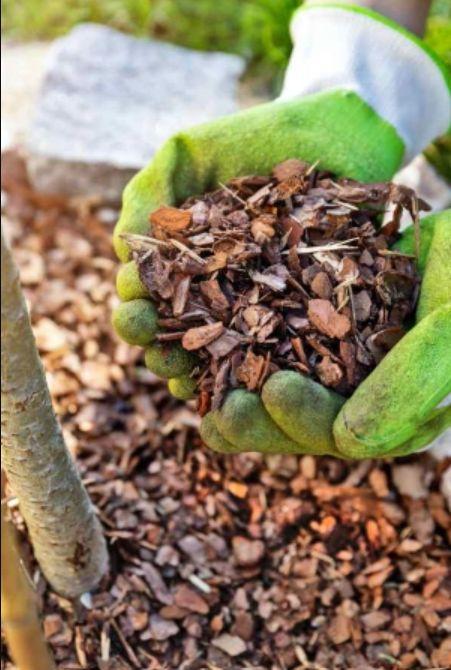
Sydney gardens are battling a hidden crisis — soil that bakes in summer, compacts under foot traffic, and surrenders moisture to thin air before plant roots ever get a drink. The answer isn't more watering or more fertiliser. It's a well-executed layer of mulch, placed with precision and purpose. Sam's Tree Services North Shore brings together the science of soil biology and the discipline of professional application to deliver garden mulching and mulch spreading services that don't just look good on installation day — they keep working for your garden season after season.
Why Mulch Depth and Density Change Everything
Most homeowners have spread a bag or two of mulch and wondered why the results faded within weeks. The difference between DIY mulching and what Sam's Tree Services North Shore delivers comes down to depth calibration, material selection, and edge management. Mulch applied too thin dries out and blows away; too thick and it creates anaerobic conditions that rot crown tissue and suppress root respiration. Professional garden mulching Sydney targets the biological sweet spot — typically 75 to 100 mm across garden beds — while keeping a critical clear zone around plant stems and tree bases to prevent collar rot. Sam's Tree Services North Shore maps each bed before a single scoop is laid, accounting for slope, drainage direction, and canopy cover.
The Five Garden Problems Mulch Solves Before They Start
Sam's Tree Services North Shore treats mulch not as a cosmetic finish but as a proactive maintenance system. A correctly installed mulch layer addresses five interconnected challenges simultaneously:
- Moisture retention — quality mulch reduces topsoil evaporation by up to 70%, dramatically cutting irrigation demand during Sydney's dry spells
- Temperature regulation — the insulating layer buffers soil from extreme heat and cold, protecting root zones during both summer scorchers and unexpected winter frosts on the North Shore
- Weed suppression — a dense, properly graded layer blocks germinating weed seeds from accessing light, cutting hand-weeding labour by a significant margin across a season
- Soil biology enrichment — as organic mulch breaks down, it feeds earthworms and beneficial microorganisms, steadily improving soil structure without synthetic inputs
- Erosion control — on sloped properties common across the North Shore, mulch acts as a physical barrier that slows stormwater runoff and prevents topsoil loss during heavy rain events
Matching Mulch Type to Plant Community
Not every mulch suits every garden. Sam's Tree Services North Shore sources and recommends material based on the specific plant community being served, because the wrong mulch type can undo the very benefits you're paying for. Acid-loving plants like gardenias and azaleas respond well to composted pine bark, which gently lowers pH as it decomposes. Native Australian gardens — increasingly popular across Sydney's Northern Beaches and North Shore suburbs — thrive under eucalyptus-based wood chip mulch, which mirrors the leaf litter ecology these plants evolved within. Vegetable gardens and annual beds benefit from lighter, faster-decomposing straw or sugarcane mulch that turns into usable compost within a single growing season. Sam's Tree Services North Shore assesses your existing plant palette before recommending a mulch type, ensuring every application supports rather than undermines the ecosystem your garden has already built.
What the Mulch Spreading Process Actually Involves
The execution gap between a good mulch job and a great one is wider than most people expect. Sam's Tree Services North Shore begins every mulch spreading job by clearing the target area of existing weeds, debris, and spent mulch where compaction or disease is present. A scalp and clean start eliminate the risk of locking in weed seed banks or pathogen loads beneath fresh material. Edging profiles are cut or checked to contain the mulch layer within garden bed boundaries and prevent it migrating onto lawn areas or pathways. Material is then distributed in staged passes to achieve consistent depth across the entire bed, with the team hand-finishing around specimen plants, root flares, and irrigation lines where machinery can't operate without risk of damage. Every job ends with a site walkthrough to confirm coverage uniformity and address any areas requiring supplementary application.
When to Schedule Mulch Spreading for Maximum Impact
Timing a mulch application to Sydney's climate cycles dramatically amplifies its benefits. Sam's Tree Services North Shore recommends two strategic windows: a late winter application in August or September, just before the soil warms and spring root activity accelerates, which locks in soil moisture at exactly the moment plant demand begins to rise; and an autumn application in April or May, which insulates root zones before winter soil temperatures drop and protects the biology that decomposing summer mulch has built up. Properties with established trees particularly benefit from autumn mulch spreading services Sydney, as the mulch layer supports fine feeder root activity right through the cooler months, sustaining tree health during a period when many homeowners assume growth has simply paused.
Long-Term Garden Health Begins Beneath the Surface
Sam's Tree Services North Shore takes a long view on garden health that extends well beyond the day of application. Organic mulch is not a static cover — it is an active decomposition system that feeds soil life, builds humus, and progressively improves the water-holding capacity of even Sydney's notoriously sandy or clay-heavy soils over multiple seasons. Clients who schedule annual or biannual mulch top-ups with Sam's Tree Services North Shore consistently report reduced fertiliser spend, fewer pest and disease interventions, and gardens that handle Sydney's increasingly erratic rainfall without stress. The investment in professional mulch spreading is ultimately an investment in reducing every other garden maintenance cost that follows.
Visit our other blog: Tree Pruning Sydney