

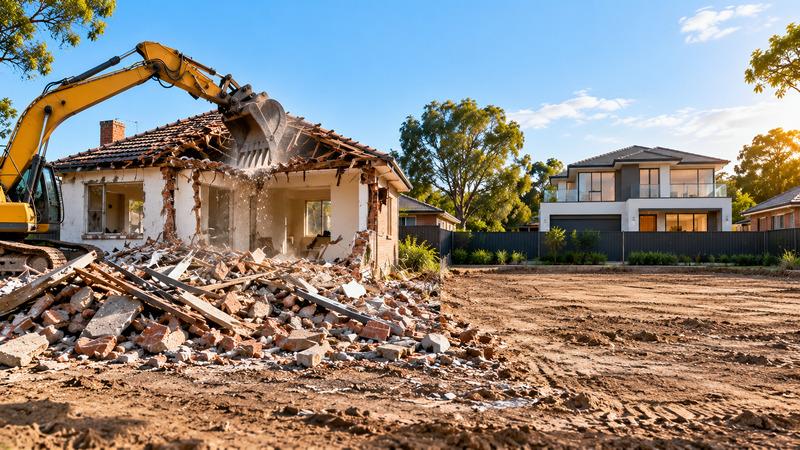
The process of demolishing a house may seem simple from the outside, but proper planning, site inspection and compliance with rules are essential to complete it safely and efficiently. Whether it is to remove an old house and build a new property or prepare the land for new construction, it is important to complete each phase systematically. Paying attention to issues such as building conditions, surrounding properties, space for machinery, usable services connections and construction waste disposal during House Demolition Lidcombe can reduce risk and make work more efficient.
House Demolition Contractors Lidcombe for Safer Projects
When choosing House Demolition Contractors Lidcombe, attention should be paid to their methodology, safety arrangements and project planning rather than just the price. Building demolition work may require the removal of roofs, walls, structural parts, and other connected structures. Failure to do so in proper order is likely to cause damage to surrounding property or pose a risk to workers.
Proper planning involves initial site inspection, risk assessment, machinery selection, and waste removal arrangements. Measures to control dust, noise and vibration also become important when there are residential buildings around.
Before the work begins, it should be decided which parts are to be removed, which parts are to be secured and how the machinery will enter the site. If these details are clear, misunderstandings and unnecessary delays during work can be reduced.
Residential House Demolition Lidcombe and Site Preparation
Proper preparation of the site for Residential House Demolition Lidcombe is the foundation of safe operation. Each building has a different structure, age, materials used in construction and surroundings. So the same method is not necessarily suitable for every property.
During site inspection the existing condition of the building, garage, shed, fence, driveway and other connected structures should be identified. If the entire building is to be removed, it is necessary to clarify at the outset which items fall within the scope of the project.
It is useful to check the following during preparation:
- Status of building and structures attached thereto
- Entry space for machinery and vehicles
- Connections to electricity, gas and other services
- Potentially hazardous construction materials
- Arrangements for collecting and removing waste
Proper preparation makes on-site operations more organized and helps prepare the land for further construction.
House Demolition Cost Lidcombe and the Factors That Matter
House Demolition Cost Lidcombe depends on several factors besides the size of the property. Materials used in the building, access to the site, need for machinery, thickness of concrete, hazardous materials and waste disposal methods can affect the total cost.
For example, machinery can work easily in a property with open space. But a property with a narrow entrance or adjacent houses may require additional precautions and a different procedure. Similarly, additional arrangements may be necessary for inspection, removal and disposal of materials such as asbestos found in old houses.
While getting an estimate of the cost one should understand the entire scope of work rather than just asking the cost of demolishing the building. It is useful to specify which structures will be removed in the estimate, whether waste disposal is involved, whether concrete will be removed or not, and finally the condition in which the site will be assigned.
In this way different estimates can be properly compared and the possibility of unexpected costs can be reduced.
House Demolition and Asbestos Removal Lidcombe
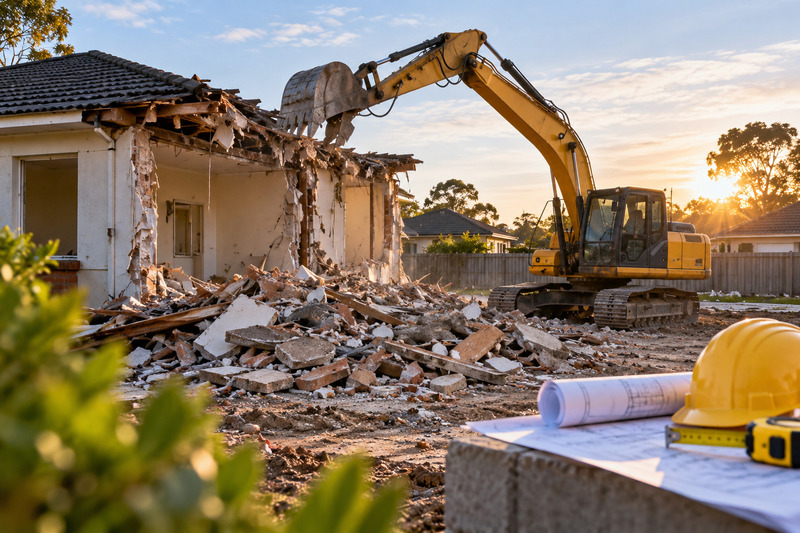
Asbestos-containing materials are likely to be found in older houses. It can be in the lower parts of the roof, the material inside the walls, old fences or other structures outside. Starting work to break down such materials without identifying them can pose a risk of hazardous particulate matter spreading into the air.
Planning related to House Demolition and Asbestos Removal Lidcombe should include proper inspection of suspicious material and arrangements for its removal by a licensed specialist when necessary. Asbestos is not suitable to be treated like normal construction waste. It is necessary to manage and dispose of it as per applicable rules.
Checking the issue before the demolition work starts helps maintain safety. If suspicious material appears during work, it should be stopped and the right specialist consulted instead of breaking it himself.
Planning Approvals and Utility Disconnections
The need for proper approval must be checked before demolishing the building. The approval process may vary depending on the location of the property, the restrictions applicable to the land, and the proposed work. What procedure is required in accordance with the relevant local council and applicable NSW regulations in Lidcombe should be ascertained before work begins.
Connections to services such as electricity, gas, water and telecommunications also need to be handled properly. Completing the required disconnection by coordinating with the respective service providers can reduce risks to workers and property.
It is also important to get information about services underground, especially when digging the ground or removing concrete is about to take place. Properly planned work should be started only after completion of approvals and necessary investigations.
Improving Efficiency Through Better Waste Management
Large quantities of wood, metal, concrete, bricks and other materials can be produced after the building is demolished. Properly differentiating these materials increases the opportunities for reuse and recycling. It also helps in proper disposal of construction waste.
Efficient waste management should initially determine which materials will be collected separately and which materials will have to be shipped to the approved disposal site. Proper adjustment of vehicular traffic and waste carrying time can reduce obstruction at the site.
It is also important to maintain a clean and tidy workplace during work. Care should be taken to ensure that garbage heaps do not remain in the entrance and that workers have enough space to move safely.
Conclusion
Proper planning, site inspection, approvals, handling of hazardous materials and waste disposal systems are essential together for safe and efficient building demolition. All these things considered from the beginning in the House Demolition Lidcombe project help in reducing risk, avoiding unnecessary delays and preparing the site for new construction.
Choosing the right procedure according to the property requirement, getting a clear estimate of the scope and cost and following the applicable safety rules are the main steps for good results. Demolition work done with thorough planning can be completed more systematically and provide a strong start to the next project.