

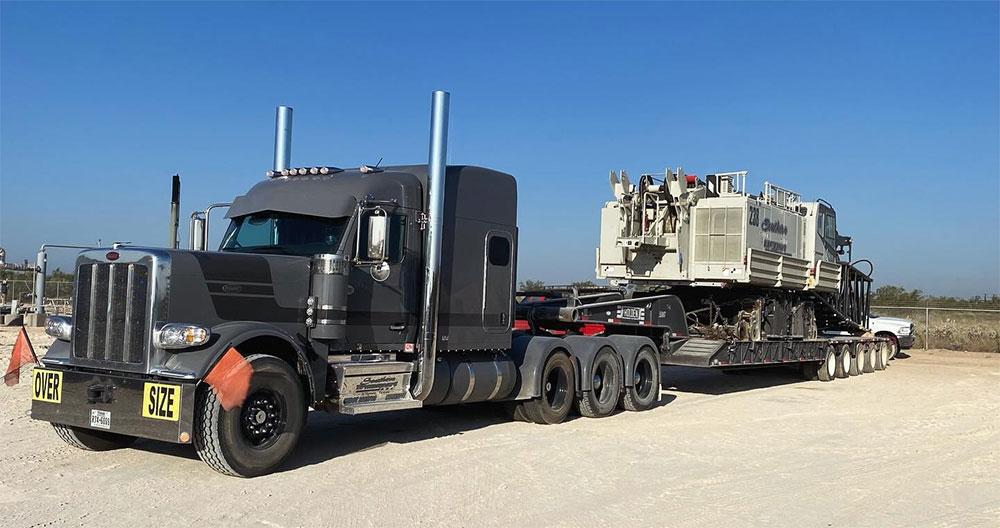
When it comes to transporting large machinery, construction equipment, or oversized freight, the expertise of professional carriers becomes invaluable. Heavy haul trucking plays a critical role in making sure massive and irregularly shaped cargo moves safely and efficiently. Companies like Walker Logistics provide specialized solutions that simplify the movement of oversized loads, ensuring projects stay on schedule and within compliance. Heavy haul trucking requires careful planning, proper equipment, and experienced operators who understand the complexities of such deliveries.
The Importance of Specialized Heavy Haul Trucking
Heavy haul trucking is more than simply loading cargo onto a trailer; it involves engineering-level precision and logistical expertise. From planning the route to securing permits, every step must be carefully managed to prevent risks and delays. For industries such as construction, energy, and manufacturing, transporting oversized loads is not optional, it is essential for operations to continue smoothly.
Meeting Industry Demands
As industries grow larger in scale, so does the equipment required. Think of turbines, excavators, mining equipment, or prefabricated structures all of these demand specialized hauling services. Heavy haul carriers are trained to move such loads without compromising safety or efficiency. Without this service, many projects would face critical setbacks.
The Challenges of Moving Oversized Loads
Transporting large freight comes with a unique set of obstacles that regular logistics providers cannot handle. Heavy haul trucking companies solve these problems through advanced strategies and proven expertise.
Route Planning and Permits
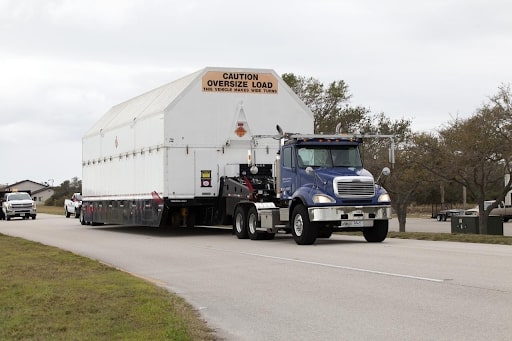
Not every road can handle oversized cargo. Routes must be planned based on weight restrictions, bridge capacities, and road dimensions. In addition, trucking companies must secure permits from state and local authorities to ensure compliance. This process prevents delays and costly penalties.
Safety Concerns and Regulations
Oversized loads pose safety challenges not only to drivers but also to other road users. Companies must follow strict federal and state regulations, often requiring pilot cars or escort vehicles to guide the truck safely. By adhering to these measures, heavy haul services reduce risks on the road.
Equipment Compatibility
One of the most vital considerations is using the right trailer or truck type. Depending on the load, options may include lowboy trailers, multi-axle trailers, or extendable flatbeds. Proper equipment ensures the load’s weight and dimensions are adequately supported during transport.
Advanced Equipment and Technology in Heavy Haul Trucking
The success of moving oversized loads lies in using advanced vehicles, tools, and tracking technology. Heavy haul companies invest heavily in these resources to provide reliable results for their clients.
Specialized Trailers
Heavy haul firms use trailers specifically designed to handle extreme weights and sizes. Modular trailers, hydraulic axles, and self-propelled transporters can adapt to unique hauling conditions, making it possible to move equipment once thought immovable.
Real-Time Tracking Systems
Technology has transformed logistics by offering clients real-time visibility. GPS tracking systems allow clients and carriers to monitor progress, manage schedules, and address unexpected delays immediately. This transparency adds a layer of confidence to heavy haul operations.
Safety Enhancements
Modern heavy haul trucks are equipped with advanced braking systems, stability control, and reinforced components to handle immense pressure. These upgrades ensure safety during long hauls and challenging terrains.
Why Expertise Matters in Heavy Haul Trucking
Every oversized load is unique. Experienced drivers and logistics managers know how to adapt to challenges that may arise along the route. Unlike general freight shipping, heavy haul requires a team that understands engineering constraints, regulatory frameworks, and on-site delivery logistics.
Skilled Operators: Operating heavy haul trucks is not the same as standard freight hauling. Drivers undergo specialized training to maneuver vehicles safely, often in tight or high-traffic areas. Their skill ensures cargo arrives intact and on time.
Project Management Support: Heavy haul trucking often involves collaboration with construction crews, crane operators, and other professionals at the delivery site. Coordinating these moving parts requires strong project management to prevent costly downtime.
The Role of Heavy Haul Trucking in Different Industries
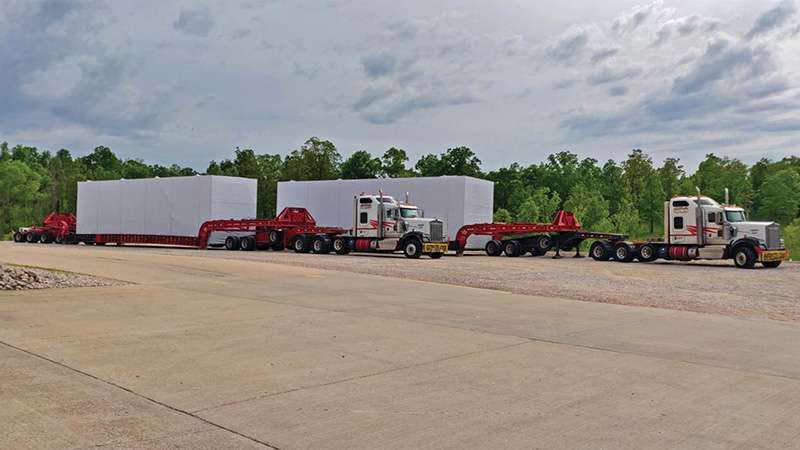
Heavy haul trucking companies serve a wide range of industries, all of which rely on oversized load transportation to keep operations running.
- Construction: Movement of excavators, bulldozers, and prefabricated materials.
- Energy Sector: Transporting wind turbines, transformers, and drilling rigs.
- Manufacturing: Delivering large-scale machinery to production facilities.
- Mining: Moving crushers, drills, and heavy excavation equipment.
Each industry depends on heavy haul services for uninterrupted project flow and economic growth.
Conclusion
Heavy haul trucking companies are the backbone of large-scale industries that depend on oversized equipment and materials. From careful planning to specialized trailers and skilled operators, these services ensure oversized loads move safely, legally, and efficiently. Walker Logistics remains committed to delivering reliable heavy haul solutions, keeping projects on track and minimizing risk. Without such expertise, the safe transportation of oversized freight would be nearly impossible, making heavy haul services indispensable for modern industries.
FAQs
What qualifies as a heavy haul load?
Any cargo that exceeds standard legal dimensions or weight limits, often requiring special permits and trailers, is considered heavy haul.
Do heavy haul loads require special permits?
Yes, permits are mandatory at state and sometimes federal levels to ensure compliance and safe transportation.
What equipment is used for heavy haul trucking?
Trailers such as lowboys, multi-axle trailers, and extendable flatbeds are commonly used depending on load size and weight.
Why are escort vehicles used in heavy haul transport?
Escort or pilot vehicles help guide oversized loads safely, warning other road users and ensuring smooth travel on challenging routes.
Which industries benefit the most from heavy haul trucking?
Construction, energy, mining, and manufacturing are among the industries that rely most heavily on oversized load transport.