
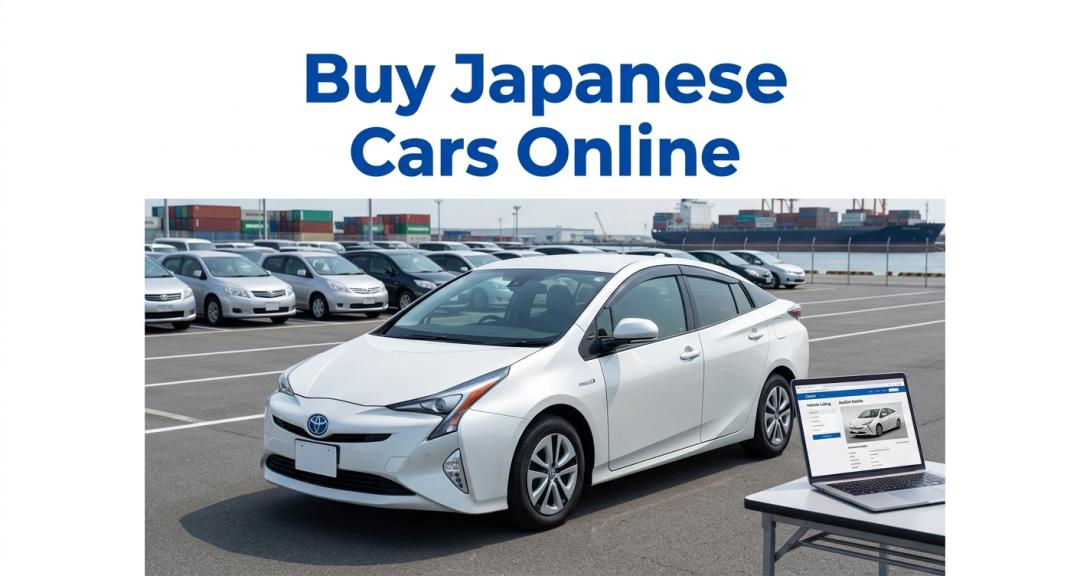
Buying a used car from Japan no longer requires travelling overseas, visiting dealerships, or negotiating with sellers in person. With online vehicle sourcing, digital auction access, detailed inspection records, and international shipping services, overseas buyers can find Japanese vehicles and arrange delivery from their home country.
For buyers looking for quality, variety, and competitive pricing, learning how to buy Japanese cars online can open access to a substantial market of used sedans, hybrid vehicles, hatchbacks, SUVs, and performance cars. The key is to follow a structured purchasing process, verify the vehicle's condition, understand the total import cost, and work with an experienced exporter.
Why Buy a Used Japanese Car Online?
Japan's used-car market offers a broad selection of vehicles, including models that may be difficult to find locally. Many Japanese vehicles also come with detailed auction records, maintenance information, and condition assessments that help overseas buyers make informed decisions.
Online purchasing offers several advantages:
- Greater vehicle selection: Compare different manufacturers, models, production years, mileage, and specifications.
- Access to Japanese auctions: Explore vehicles offered through professional auction networks rather than relying exclusively on retail listings.
- Convenient comparisons: Review several vehicles and their estimated costs without travelling between dealerships.
- Flexible budgets: Consider different grades, mileage ranges, and model years to find a vehicle that fits your financial plans.
- International delivery: Coordinate export documentation and shipping through a professional vehicle exporter.
However, buying remotely requires careful verification. A low advertised price does not necessarily mean a good deal, particularly when shipping, import duties, taxes, and registration costs are included.
Step 1: Decide Which Car Suits Your Needs
Before browsing listings, establish what the vehicle must deliver. Daily commuters may prioritise fuel economy and reliability, while families may need additional cabin space, safety equipment, and luggage capacity. Enthusiasts might focus on performance, transmission options, or a particular Japanese domestic market model.
Create a shortlist based on:
- Preferred manufacturer and model
- Maximum purchase budget
- Acceptable mileage and production year
- Petrol, diesel, hybrid, or electric powertrain
- Transmission and drive configuration
- Intended use and passenger requirements
- Import eligibility in the destination country
Buyers in Cyprus, for example, should consider local registration requirements before committing to a vehicle. Right-hand-drive Japanese models may be attractive, but the vehicle's age, emissions, technical specifications, and import eligibility still need to be checked.
Step 2: Choose a Reliable Online Vehicle Sourcing Service
The next step is to find a supplier that can manage the transaction from vehicle selection through export. A professional service should explain its purchasing procedure, fees, inspection documentation, payment terms, and shipping arrangements clearly.
Effective remote car buying depends on transparency. Buyers should know whether a company purchases vehicles directly from auctions, sources them through third parties, or sells stock already held by an exporter.
Before proceeding, confirm that the provider can supply:
- Original or verifiable vehicle listing details
- Auction inspection sheets and explanations of condition grades
- Chassis or vehicle identification details where applicable
- A clear breakdown of purchase and service fees
- Export documentation and shipping arrangements
- Written payment terms and refund conditions where applicable
Check the company's contact details, business history, customer feedback, and contractual terms. Avoid transferring money solely on the strength of attractive photographs or an unusually low quotation.
Step 3: Understand Japanese Car Auctions and Inspection Sheets
Japanese vehicle auctions can provide access to a wider selection of used cars. However, auction listings often use Japanese terminology, grading systems, and abbreviated condition codes that overseas buyers may not understand.
An auction bidding service can help identify suitable vehicles, interpret inspection sheets, and place bids according to an agreed budget.
An auction sheet may contain information about the vehicle's overall condition, interior wear, exterior damage, mileage, repair history, and specific defects. The precise information available varies by auction house and listing.
Buyers should pay particular attention to:
Overall auction grade: Treat the grade as an initial screening tool rather than a guarantee of mechanical quality.
Exterior and interior condition: Review damage diagrams, scratches, dents, upholstery wear, and other recorded defects.
Repair history: Investigate any indications of previous repairs or structural damage. Ask for clarification if the notes are ambiguous.
Mileage information: Check the recorded mileage and any available verification details.
Additional evidence: Request more photographs, inspection details, or independent checks when the available records leave important questions unanswered.
A translated auction sheet makes the information easier to understand, but translation alone does not replace a mechanical inspection. If the vehicle's condition remains uncertain, consider arranging an additional inspection before committing to the purchase.
Step 4: Compare Vehicles and Set a Firm Bidding Limit
Once suitable vehicles have been identified, compare their condition, mileage, specifications, and estimated landed costs. The cheapest vehicle at auction may not be the least expensive option after repairs, transportation, and import charges are considered.
For example, a car with a slightly higher purchase price but a better documented condition may represent better long-term value than a cheaper vehicle requiring substantial repairs.
Set a maximum bid before the auction begins. This limit should reflect the vehicle's estimated total cost, not simply the price displayed on the auction platform.
A clear bidding arrangement should specify who authorises each bid, what happens if the vehicle is won, which fees apply, and when payment becomes due. Buyers should understand that winning an auction may create a binding financial commitment under the applicable terms.
Step 5: Calculate the Total Import Cost
One of the most important parts of buying a vehicle online is calculating the complete cost before placing a bid.
The purchase price is only one component. Depending on the destination and transaction, additional expenses may include:
- Auction or sourcing fees
- Domestic transportation within Japan
- Export documentation and handling
- Marine insurance
- International freight
- Import duty and applicable taxes
- Customs clearance
- Port handling and local transportation
- Inspection, registration, and roadworthiness requirements
For a buyer importing a Japanese car into Cyprus, it is particularly important to verify the current customs treatment and whether the selected vehicle can be registered. Cyprus Customs publishes guidance for vehicles imported from Japan and other non-EU countries. Import duties, VAT, and registration conditions should be confirmed against the applicable rules before purchase.
Ask the exporter for a written quotation that separates the vehicle price, service fees, shipping charges, and estimated destination costs. Where taxes or local charges are not included, identify them separately rather than assuming the quotation represents the final amount payable.
Step 6: Arrange Payment Securely
Before sending funds, review the sales agreement, invoice, payment schedule, and cancellation terms. Confirm the legal identity of the seller and verify the beneficiary details through an established communication channel.
A transparent transaction should explain when the deposit is due, when the remaining balance must be paid, and what documentation will be provided after payment.
Use payment methods supported by the seller's documented process, and retain invoices, receipts, correspondence, and bidding confirmations. Be cautious of unexpected changes to bank details or requests to transfer money to an unrelated individual.
Do not rely on informal assurances when a material detail can be confirmed in writing.
Step 7: Organise Shipping and Export Documentation
After the purchase is confirmed, the exporter typically coordinates the necessary export procedures and arranges international transportation. Depending on the service and destination, shipping may be available through roll-on/roll-off (RoRo) vessels or container freight.
RoRo shipping is commonly used for vehicles that can be driven onto and off the vessel. Container shipping may suit certain higher-value vehicles or shipments requiring a different transport arrangement. Availability, cost, and transit time depend on the route and shipping schedule.
Before dispatch, establish which documents will be supplied. These may include the commercial invoice, export or deregistration certificate, bill of lading, and other documents required by the destination country's authorities.
Ask for the estimated departure date, expected arrival window, insurance arrangements, and process for tracking the shipment. Transit estimates are not guarantees, as port congestion, vessel schedules, and customs procedures can affect delivery.
Step 8: Prepare for Customs Clearance and Registration
A vehicle's arrival does not automatically mean it is ready for road use. Import clearance and registration are separate stages, and the requirements vary by country.
For Cyprus, buyers should confirm import eligibility with the relevant authorities before bidding, particularly for vehicles imported from outside the European Union. They should also establish the applicable duty and VAT treatment, required documents, inspection procedures, and registration conditions.
The Cyprus Road Transport Department provides information about vehicle registration services. Buyers should verify the specific requirements for their vehicle category and circumstances rather than relying on general import advice.
Planning these steps in advance can prevent unexpected charges, administrative delays, or the purchase of a vehicle that cannot be registered as intended.
Common Mistakes to Avoid When Buying a Japanese Car Online
Even a convenient online process can become costly when important checks are overlooked.
Choosing on price alone: A low bid can conceal repair costs, transport expenses, or unsuitable specifications.
Misreading the auction sheet: Condition grades should be interpreted alongside the detailed notes and any available supporting evidence.
Ignoring destination regulations: Confirm import eligibility and registration requirements before paying for a vehicle.
Underestimating landed costs: Include fees, freight, insurance, taxes, clearance, and registration in the budget.
Using an unverified seller: Check business details, contractual terms, payment instructions, and documentation.
Assuming delivery is guaranteed by a particular date: Shipping schedules and customs processing can change.
A disciplined approach to these checks reduces avoidable risks and makes the buying process more predictable.
Buying a Japanese Used Car Remotely for Cyprus
For Cyprus-based buyers, sourcing a vehicle from Japan can provide access to a wider range of Japanese models and auction listings. Success depends on selecting an eligible vehicle, reviewing its condition carefully, calculating the complete import cost, and arranging reliable shipping and documentation.
Buyers who want to explore this route can buy a Japanese used car remotely through a service focused on sourcing Japanese vehicles for the Cyprus market. Before committing, discuss the preferred model, budget, inspection records, bidding arrangements, delivery expectations, and applicable import requirements.
The goal is not simply to secure a car at auction. It is to purchase the right vehicle with a clear understanding of its condition, total cost, and path to registration.
Conclusion
Buying a used Japanese car without visiting Japan is entirely achievable when each stage is handled carefully. From selecting a suitable model and reviewing auction records to arranging payment, shipping, and customs clearance, online purchasing gives overseas buyers a practical way to access Japan's used-car market.
The strongest results come from thorough research, transparent fees, realistic budgeting, and careful attention to local regulations. With a reliable exporter and a well-defined buying plan, online vehicle sourcing can make the process more convenient while helping buyers make better-informed decisions.