
In the high-velocity cultural landscape of 2026, the "hype cycle" has undergone a fundamental moral recalibration. While the previous decade was defined by artificial scarcity and loud, empty logos, today’s urban fashion is rooted in Intentional Identity. The rise of fashion brands that fund activism marks a shift from passive consumption to "agentic commerce," where every purchase acts as a vote for a specific social future. For the modern "conscious collector," your outfit is your most immediate broadcast system—a wearable manifesto for individual sovereignty and unalienable rights.
As we navigate an era of digital noise and "cause-washing," identifying brands with genuine impact is essential. Here is how the gold standard of activist fashion is defined in 2026.
1. Radical Transparency: The "Sovereign" Standard
You cannot wear a message of "justice" or "freedom" if the garment itself was born from exploitation. In 2026, Ethical Integrity is the non-negotiable benchmark for any brand claiming to fund activism.
- Digital Product Passports (DPPs): Leading brands now include a blockchain-backed QR code on every item. Scanning it reveals the garment's entire journey—from the GOTS-certified organic cotton farm to the fair-trade factory—ensuring that every hand involved was treated with dignity.
- Verified Impact Ledgers: The most trusted brands provide real-time data showing exactly how much of each purchase is funneled into legal defense funds, community grants, or environmental restoration. This moves beyond "1% for the Planet" toward a "Direct-to-Cause" model.
2. The Aesthetic of Conviction: Modern Federalist Design
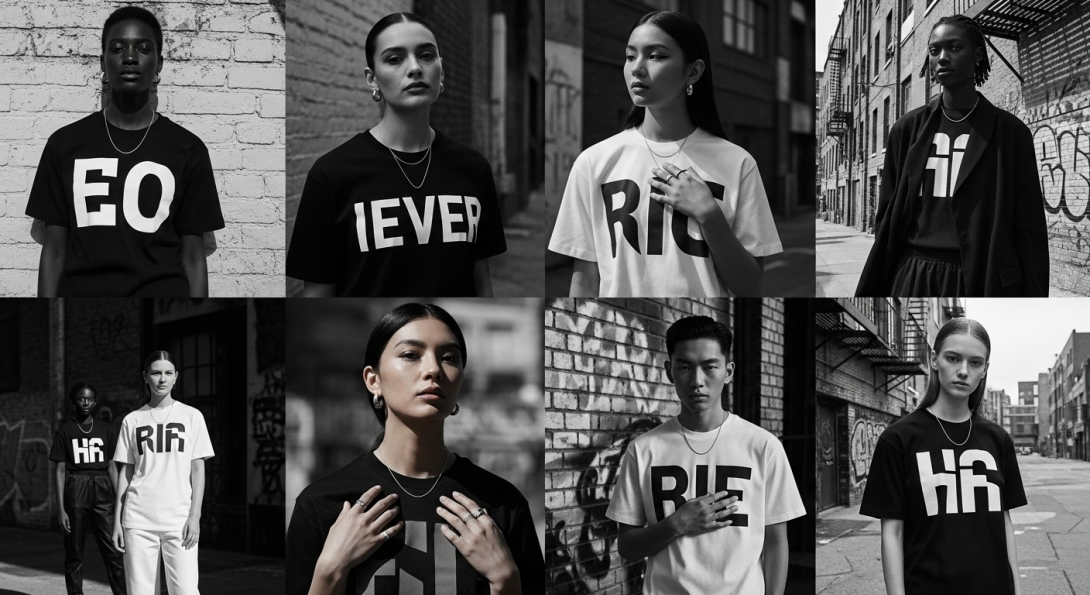
The 2026 version of "activist apparel" has matured into a sophisticated visual language known as Modern Federalist and Brutalist Minimalism.
- Authoritative Typography: Top-tier labels utilize high-contrast, bold serif fonts that evoke the weight of historical foundational documents. This signals a commitment to personal autonomy and permanent values.
- Identity-Driven Symbolism: Rather than loud branding, these pieces feature subtle, minimalist icons—such as abstract digital privacy symbols or the Scales of Justice—that act as social icebreakers in physical spaces.
- Foundational Palettes: Expect "grounded" tones like Slate Grey, Parchment, and Deep Charcoal, which emphasize the message rather than the spectacle.
3. Heavyweight Architecture: Quality as Stewardship
A brand that funds activism but produces "disposable" clothes is a contradiction. In 2026, durability is a form of environmental advocacy.
- Premium Construction: The best activist brands prioritize 400–500 GSM organic fabrics and reinforced "double-needle" stitching. These are designed to be "Heirloom Streetwear"—garments that last a decade, not a season.
- Sustainable Foundations: By utilizing hemp, mushroom leather (mycelium), and seaweed-based dyes, these brands ensure their production actively protects the "Right to a Healthy Planet" for future generations.
Why "Purpose" is the Ultimate Trend in 2026
Recent data indicates that nearly 76% of Gen Z and Millennial shoppers now prioritize brands with a clear, verifiable social mission. In an era of corporate "cause-washing," an authentic activist-led brand offers something rare: Substance. It allows the "Modern Advocate" to build a "capsule wardrobe of conviction" that reflects their unique values and builds immediate community with like-minded citizens.
The Bottom Line
Choosing fashion brands that fund activism is an act of intentionality. It tells the world that you value quality over quantity and principles over popularity. In 2026, the most powerful thing you can wear is your truth. Fashion is no longer just about looking good—it’s about standing for something that lasts.