

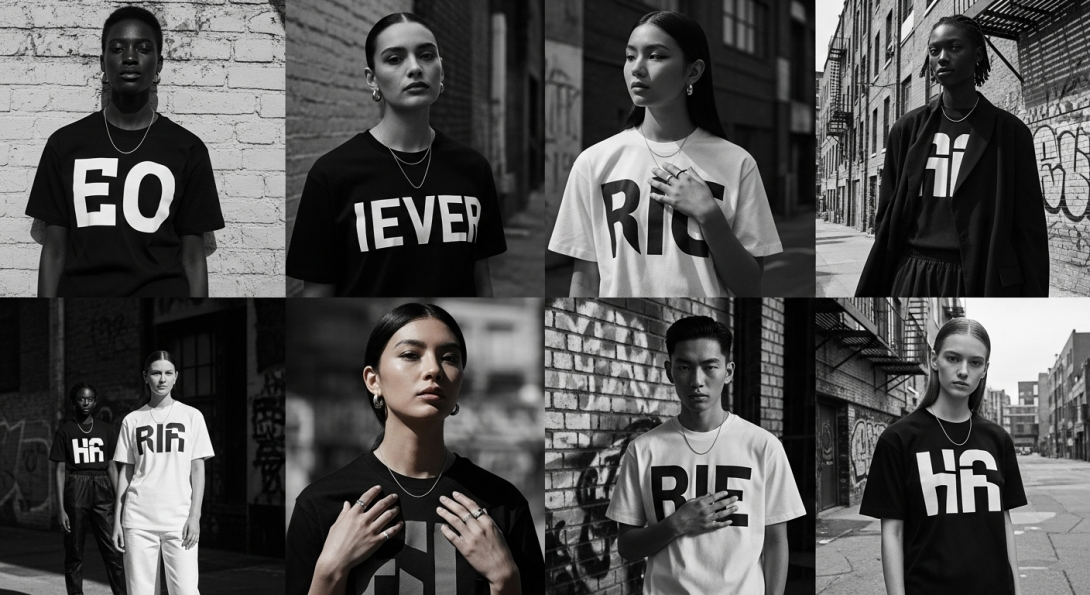
Fashion has always been more than just clothing—it reflects culture, identity, and society. Over time, it has also become a powerful platform for expressing ideas and challenging injustice. The concept of fashion activism history and examples shows how style has evolved into a meaningful tool for social, political, and environmental change.
From historical movements to modern campaigns, fashion activism continues to shape conversations and inspire action across the world.
The History of Fashion Activism
The roots of fashion activism can be traced back to moments in history when clothing was used to express resistance and identity.
Early Symbolism in Clothing
Even in earlier centuries, clothing was used to signal social and political positions. Certain styles, colors, or garments represented class, beliefs, or rebellion against authority.
20th Century Movements
Fashion activism became more visible during the 20th century. During major social movements, people used clothing to express unity and protest injustice. For example:
- Specific dress styles symbolized freedom and independence
- Clothing became a way to reject traditional norms
- Youth movements used fashion to challenge authority
Rise of Conscious Consumerism
In the late 20th and early 21st centuries, awareness about environmental issues and labor conditions in the fashion industry began to grow. This led to the rise of ethical and sustainable fashion, which is now a key part of fashion activism.
What Is Fashion Activism Today?
Today, fashion activism refers to using clothing and design to raise awareness and promote change. It allows individuals and brands to express their values through style.
Fashion activism focuses on issues such as:
- Human rights
- Environmental sustainability
- Gender equality
- Cultural representation
It has become more accessible due to social media, allowing messages to reach a global audience instantly.
Fashion Activism Examples
To better understand this movement, let’s explore some impactful fashion activism examples.
1. Slogan and Statement Clothing
One of the most common examples is clothing with powerful messages. T-shirts and hoodies with phrases like “Save the Planet” or “Equal Rights” help spread awareness in everyday life.
2. Sustainable Fashion Practices
Many designers and brands now focus on eco-friendly production. Using recycled materials, reducing waste, and promoting slow fashion are key examples of environmental activism.
3. Ethical Fashion and Fair Labor
Fashion activism also includes advocating for workers’ rights. Brands that ensure fair wages and safe working conditions contribute to social justice.
4. Cultural Representation
Designers who highlight traditional clothing and cultural identity promote diversity and inclusion. This helps protect cultural heritage and challenge stereotypes.
5. Protest and Movement Fashion
During protests, clothing often carries symbolic meaning. Wearing certain colors or styles can represent unity and strengthen the message of a movement.
6. Digital Fashion Activism
Social media has amplified fashion activism. Influencers and individuals share their outfits and messages online, reaching large audiences and encouraging engagement.
Why Fashion Activism Matters
Fashion activism is important because it connects everyday choices with global issues. It allows individuals to participate in change without needing a formal platform.
It matters because:
- It raises awareness in a simple and visual way
- It encourages responsible consumer behavior
- It empowers people to express their beliefs
- It influences brands to adopt ethical practices
Fashion activism turns personal style into a form of social responsibility.
Challenges in Fashion Activism
Despite its impact, fashion activism faces challenges:
- Greenwashing: Some brands falsely claim to be sustainable
- Performative activism: Messages without real action
- Accessibility: Ethical fashion can be expensive
To overcome these issues, consumers must stay informed and support genuine efforts.
The Future of Fashion Activism
The future of fashion activism looks promising as awareness continues to grow. More brands are focusing on transparency, sustainability, and inclusivity.
Technology and social media will continue to expand its reach, making it easier for individuals to participate and make an impact.
Conclusion
The journey of fashion activism history and examples shows how clothing has evolved into a powerful tool for change. From historical movements to modern campaigns, fashion has consistently played a role in shaping society.
Today, fashion activism empowers individuals to express their values, raise awareness, and contribute to a better world. It proves that what we wear is not just about style—it is about making a statement.
Because fashion is not only about looking good.
It is about standing for something meaningful.