
In today’s rapidly evolving business environment, employers seek management graduates who are not only academically sound but also equipped with practical skills, professional competencies, and the right attitude for the workplace. Traditional education models, which focus largely on syllabus completion and examination performance, often fall short of meeting these expectations. This gap has led to the adoption of Outcome-Based Education (OBE) as a transformative approach in management education.
Outcome-Based Education is a student-centric teaching–learning framework that emphasizes what learners are expected to know, understand, and be able to do at the end of a program. Instead of concentrating solely on content delivery, OBE focuses on clearly defined outcomes such as analytical ability, communication skills, ethical decision-making, leadership, teamwork, and problem-solving, skills that are critical for managerial success.
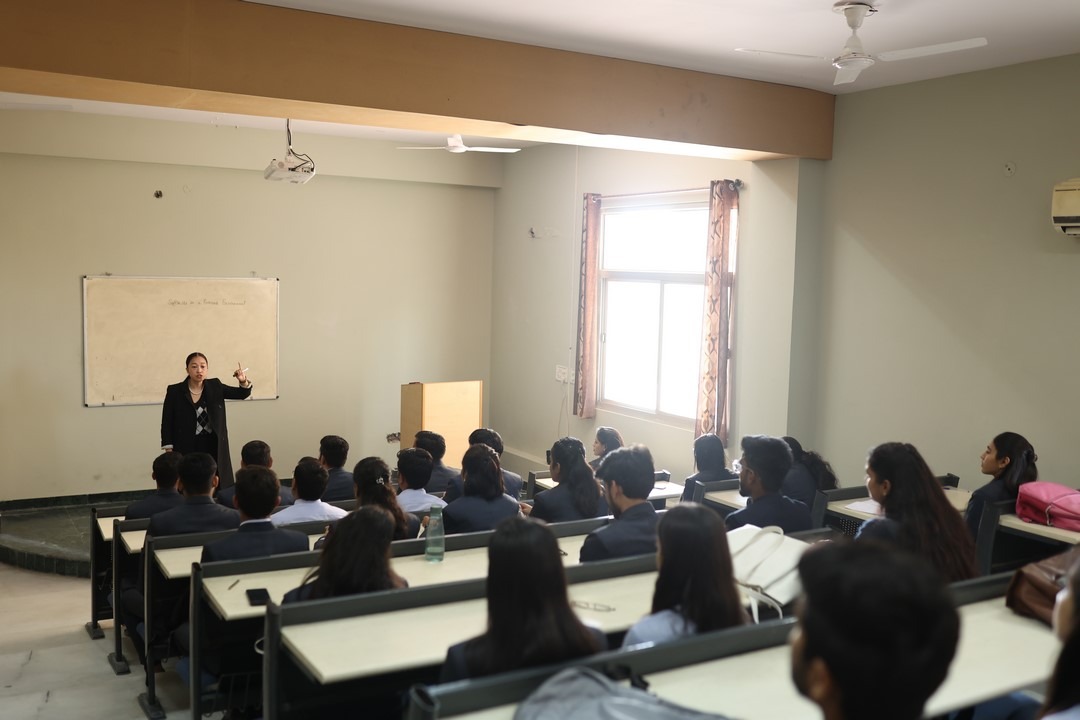
At a progressive business school in jaipur, OBE serves as a foundation for designing academic experiences that align closely with industry requirements and future workplace expectations. This approach helps students develop competencies that extend beyond classroom learning and contribute to long-term career success.
In management education, OBE begins with the formulation of Program Outcomes (POs) and Program Specific Outcomes (PSOs) aligned with industry requirements and societal needs. These outcomes are further translated into Course Outcomes (COs), ensuring that every subject contributes meaningfully to the overall employability of students. Teaching strategies such as case studies, simulations, role plays, presentations, live projects, internships, and industry interactions are integrated to help students achieve these outcomes effectively.
Assessment under OBE goes beyond written examinations. Continuous evaluation through presentations, group discussions, project reports, internships, and practical assignments enables educators to measure not just knowledge, but also application and skill development. This approach ensures transparency, consistency, and continuous improvement in the teaching–learning process.
Students pursuing an mba course in jaipur benefit significantly from this outcome-oriented learning methodology, as it enhances their ability to apply theoretical concepts to real-world business situations. Such practical exposure strengthens confidence, employability, and professional readiness.
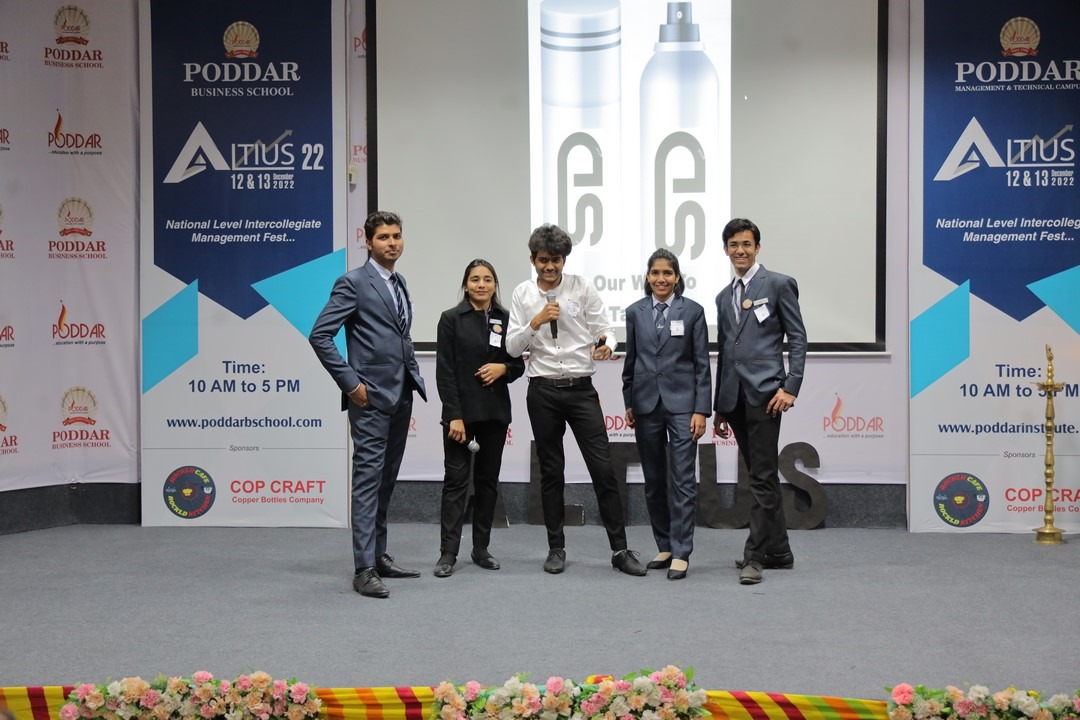
One of the key strengths of OBE is its strong alignment with industry expectations. By focusing on measurable outcomes, business schools can regularly update curricula based on feedback from employers, alumni, and other stakeholders. As a result, graduates are better prepared to handle real-world business challenges from day one, making them more confident, adaptable, and job-ready.
Moreover, OBE supports quality assurance and accreditation frameworks such as NAAC and AICTE, as it emphasizes documentation, outcome measurement, and continuous enhancement. This not only improves institutional credibility but also enhances student trust and stakeholder satisfaction.
Leading MBA/PGDM Colleges in Jaipur are increasingly adopting OBE frameworks to ensure that students graduate with the knowledge, skills, and attitudes required to thrive in competitive business environments. The emphasis on measurable learning outcomes helps bridge the gap between academic education and employer expectations.
In conclusion, Outcome-Based Education represents a paradigm shift in management education. By bridging the gap between academic learning and industry needs, OBE plays a crucial role in developing competent, skilled, and future-ready management graduates who can thrive in a competitive global business landscape. This commitment to student success has made many institutions a preferred management college in jaipur for aspiring business professionals seeking industry-relevant management education.