

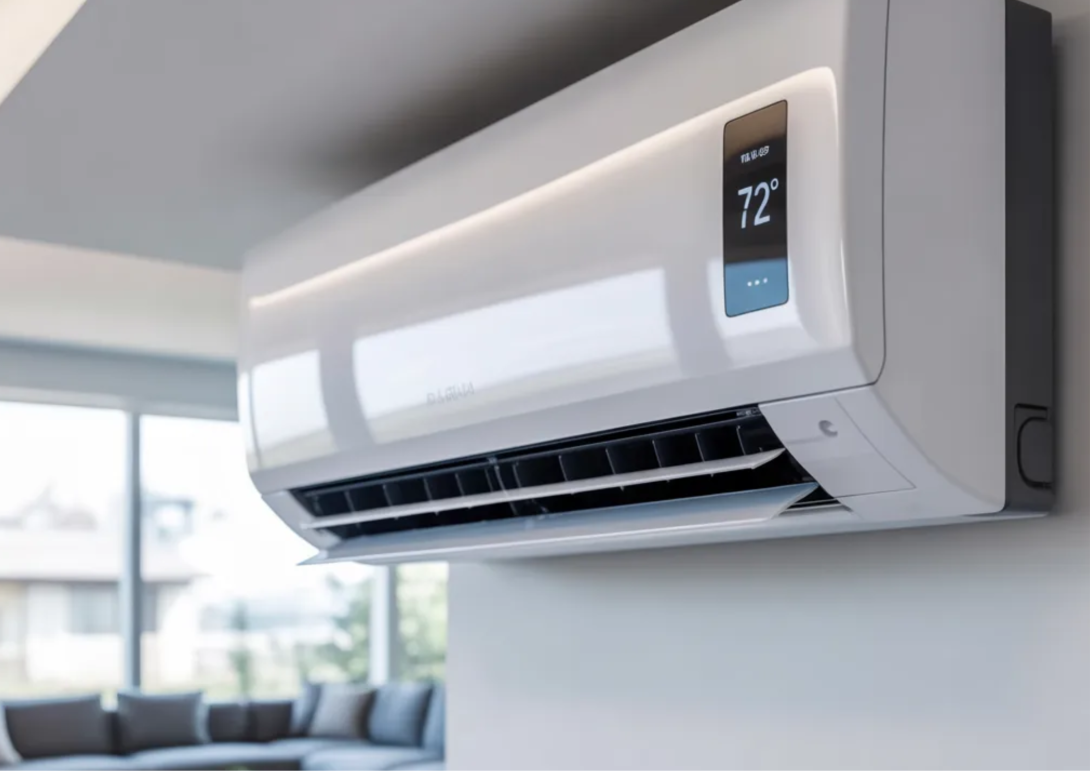
Heat pump technology has become a widely used solution for residential and commercial climate control because it can provide both heating and cooling through a single system. Islandaire heat pump systems are designed as compact HVAC units intended for space-efficient temperature management. Understanding how these systems operate and how their performance is evaluated is important for assessing energy efficiency, reliability, and compliance with modern HVAC standards.
Overview of Heat Pump Technology
A heat pump works by transferring heat rather than generating it directly. During cooling operation, the system removes heat from indoor air and releases it outside. In heating mode, the cycle reverses, allowing the unit to extract heat from outdoor air and transfer it indoors.
The basic refrigeration cycle includes:
- Compressor
- Condenser coil
- Evaporator coil
- Expansion device
- Refrigerant
A reversing valve changes the direction of refrigerant flow, enabling the same system to provide both cooling and heating functions.
Islandaire System Design
Islandaire systems are commonly designed as compact packaged units. Their structure integrates major HVAC components into a single enclosure, helping reduce installation space requirements. These units are often used in apartments, hotels, and multi-room buildings where centralized duct systems may not be practical.
Typical design features include:
- Self-contained refrigeration cycle
- Integrated air circulation fan
- Electric control system
- Heating and cooling operation within one chassis
- Wall-mounted or packaged terminal configurations
Compact HVAC systems like these are designed to simplify maintenance access while supporting localized climate control.
Efficiency Measurement Standards
HVAC efficiency is generally measured using standardized performance metrics. The most common ratings include:
SEER2
Seasonal Energy Efficiency Ratio 2 measures cooling efficiency over an entire cooling season.
HSPF2
Heating Seasonal Performance Factor 2 evaluates heating efficiency during colder operation periods.
EER
Energy Efficiency Ratio measures cooling output against electrical power input under fixed test conditions.
COP
Coefficient of Performance measures heating efficiency by comparing thermal output to electrical energy consumption.
These ratings are important because they allow direct comparison between systems operating under standardized laboratory conditions.
Operational Performance Evaluation
The operational effectiveness of a heat pump depends on several technical and environmental factors.
Temperature Conditions
Outdoor temperatures strongly influence heat pump performance. Cooling efficiency can decrease in extreme heat, while heating performance may decline in very cold weather.
Installation Quality
Improper installation can reduce airflow, affect refrigerant pressure, and lower overall efficiency. Even high-rated systems may underperform if installation standards are not followed.
Airflow and Ventilation
Restricted airflow caused by clogged filters or blocked vents can reduce system performance and increase energy consumption.
Maintenance Requirements
Routine inspection of coils, filters, electrical connections, and refrigerant levels helps maintain stable operation and prevents efficiency loss over time.
Technical Evaluation Challenges
One challenge in evaluating some HVAC systems is the availability of complete certified efficiency documentation. Accurate performance verification requires:
- Standardized testing procedures
- Certified published ratings
- Consistent engineering calculations
- Regulatory compliance documentation
If publicly available technical data is incomplete or inconsistent, comparing the system against federal efficiency standards becomes more difficult.
Regulatory and Compliance Considerations
In the United States, HVAC equipment must comply with federal energy conservation regulations. Manufacturers are generally required to publish certified performance values using approved testing standards.
Efficiency compliance helps:
- Improve energy conservation
- Support accurate consumer comparison
- Reduce operating costs
- Ensure minimum performance standards are met
When efficiency ratings or technical classifications are unclear, independent verification may be necessary to confirm compliance status.
Real-World Performance Factors
Laboratory ratings do not always reflect real-world operating conditions. Factors such as room insulation, humidity levels, building orientation, and system usage patterns all influence actual energy consumption.
For compact heat pump systems, operational efficiency may vary depending on:
- Building size
- Occupancy levels
- Seasonal climate changes
- Maintenance frequency
Because of these variables, real-world results may differ from published performance estimates.
Conclusion
Islandaire heat pump technology, including the Islandaire EZMB, is based on standard refrigeration and heat transfer principles used throughout the HVAC industry. Its compact system design makes it suitable for localized heating and cooling applications where space efficiency is important. However, proper operational evaluation depends on transparent efficiency data, standardized testing, and accurate performance reporting.
Understanding factors such as installation quality, airflow management, environmental conditions, and certified efficiency ratings is essential when evaluating HVAC system performance. A complete technical assessment requires both laboratory efficiency measurements and practical operational analysis under real-world conditions.