

How Composite Hockey Sticks Improve Your Game
Choosing the right hockey stick can make a noticeable difference in how you play. Whether you are learning basic skills or competing regularly, your stick affects your shooting, passing, and puck control.
Hockey equipment has changed over the years. Traditional wooden sticks are still familiar to many players, but modern materials have introduced lighter and more responsive options.
Players today look for equipment that feels comfortable in their hands and supports their playing style. Weight, flexibility, blade shape, and durability all influence how a stick performs on the ice.
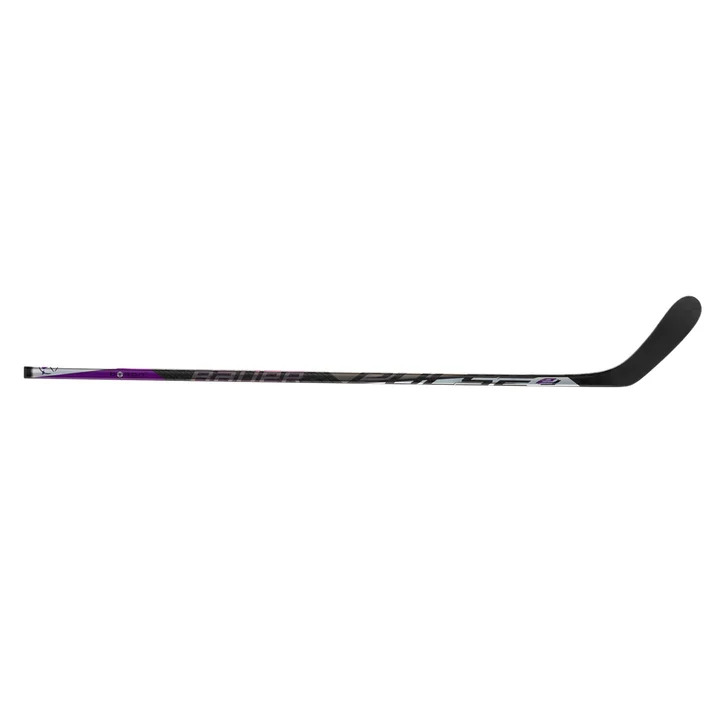
For players exploring composite hockey sticks, understanding their construction and features is a useful starting point. These sticks combine materials such as carbon fibre and fibreglass to provide strength, flexibility, and consistent performance.
What Makes Composite Hockey Sticks Different?
Composite sticks are made using layers of engineered materials rather than a single piece of wood. Manufacturers adjust these layers to achieve different levels of stiffness, weight, and responsiveness.
Many modern composite models use carbon fibre to reduce weight while maintaining strength. Fibreglass and other materials may also be included to improve durability and feel.
Lightweight Construction and Better Handling
A lighter stick can make quick movements easier, especially when controlling the puck in tight spaces.
However, the lightest option is not always the best choice. Players should also consider balance, comfort, and how naturally the stick moves during play.
Understanding Hockey Stick Flex
Flex describes how much a stick bends when force is applied. It plays an important role in shooting because the shaft stores and releases energy during a shot.
Choosing the correct flex depends on a player's weight, strength, technique, and personal preference.
Low Flex vs High Flex
A lower flex rating means the shaft bends more easily. This can help players who prefer quick shots or have less strength.
A higher flex rating requires greater force to bend. Some stronger players prefer this firmer feel when taking powerful shots.
There is no single flex rating that works for everyone. Testing different options can help players find a comfortable match.
How Blade Curves Affect Puck Control
The blade is another important part of hockey stick design. Its curve influences how the puck sits against the surface during passing, handling, and shooting.
Choosing a Suitable Blade Pattern
A moderate curve is often a practical starting point for beginners. It can provide a balanced feel when learning basic puck-handling skills.
More pronounced curves may suit experienced players with specific shooting preferences. However, they can require additional practice to control passes and backhand shots.
Blade choice should reflect how a player handles the puck rather than simply following popular trends.
One-Piece and Two-Piece Hockey Sticks
Composite hockey equipment is available in different constructions.
One-piece sticks combine the shaft and blade into a single structure. They are popular because they can provide a consistent feel and efficient energy transfer.
Two-piece designs use a separate shaft and replaceable blade. They offer flexibility when changing components, although compatible replacement parts may be harder to find.
Where to Explore Hockey Equipment
Finding the right equipment becomes easier when players can compare specifications and understand how different designs suit their needs.
For players researching hockey gear, sportsexcellence offers a place to explore sporting equipment through its website. Comparing stick lengths, flex ratings, and blade patterns can help buyers narrow their choices. Taking time to understand these details often leads to a more comfortable playing experience.
How to Choose the Right Stick Length
Stick length affects reach, puck handling, and shooting posture. A stick that is too long may feel difficult to control, while a very short stick can limit reach.
Finding a Comfortable Fit
A common starting point is to stand the stick upright and check where it reaches around the chin or nose, depending on whether you are wearing skates.
Players may prefer slightly different lengths based on their position and playing style.
Remember that cutting a composite stick shorter generally increases its effective stiffness.
Caring for Your Composite Hockey Stick
Good maintenance helps protect your equipment from unnecessary damage.
Check the shaft and blade regularly for cracks, chips, or unusual soft spots. Replace damaged sticks when their structural strength becomes questionable.
Use suitable hockey tape to protect the blade and improve puck feel. Store your stick away from excessive heat and avoid leaving it under heavy equipment.
Conclusion
A good hockey stick should feel balanced, comfortable, and suitable for your skill level. Material construction, flex, blade curve, and length all contribute to its performance.
Composite hockey sticks provide a range of options for players who want responsive handling and modern construction. Rather than choosing a stick based only on price or appearance, focus on the features that match your playing style.
Frequently Asked Questions
1. Are composite hockey sticks suitable for beginners?
Yes. Beginners can use composite sticks, especially models with comfortable flex ratings and manageable weight. An affordable, durable option is often a sensible starting point.
2. How long does a composite hockey stick last?
Its lifespan depends on playing frequency, shooting habits, contact during games, and overall care. Regular inspection helps identify damage before the stick fails.
3. Are composite hockey sticks better than wooden sticks?
Composite sticks are generally lighter and offer more specialised flex options. Wooden sticks can be affordable and provide a traditional puck feel. The better choice depends on the player's needs and preferences.