
How does proper tire installation make driving safer?
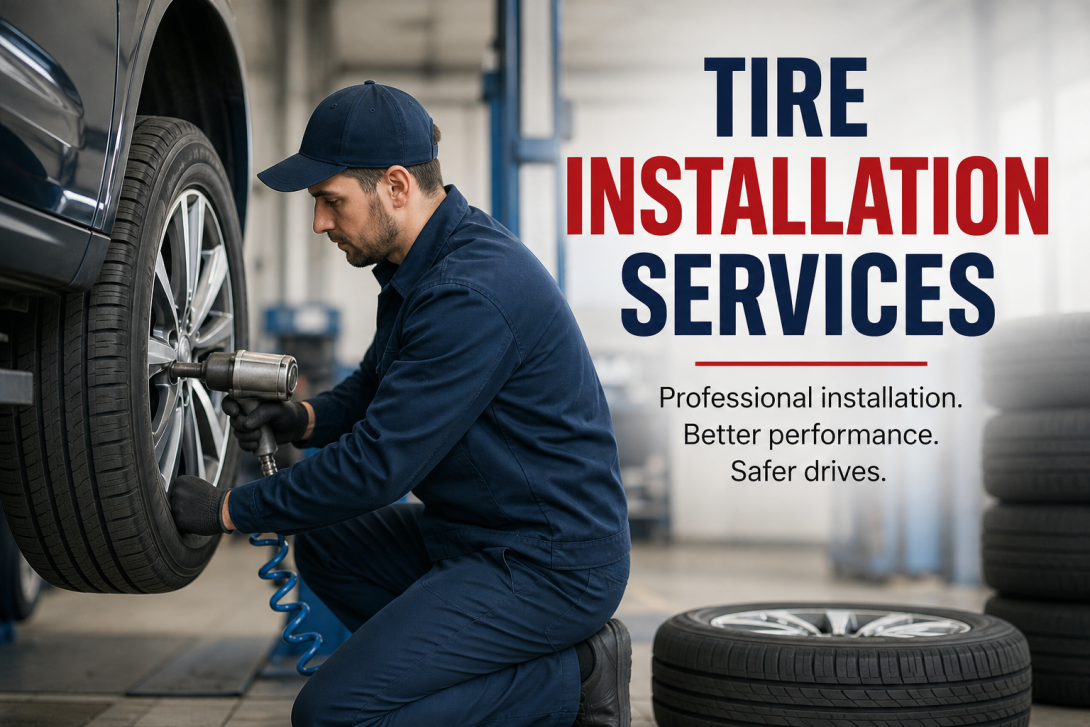
Properly installed tires help maintain stable handling, consistent road contact, and predictable braking. Professional tire installation services include mounting and balancing the tire assembly and checking essential installation details, helping reduce problems such as vibration, improper seating, and uneven wear.
Why tire condition and installation both matter
Tires are the only parts of your vehicle designed to maintain direct contact with the road. Their condition affects how effectively your car accelerates, turns, and stops.
However, buying good tires does not guarantee good performance if they are installed incorrectly. A tire that is not seated properly on its wheel, a wheel that is out of balance, or lug nuts that are not tightened to the specified torque can create avoidable safety concerns.
A proper installation helps ensure the tire and wheel assembly is prepared for normal driving conditions. Technicians also have an opportunity to identify visible problems with the wheels, valve stems, or tire pressure monitoring system.
This matters for everyday journeys, whether you are commuting through city traffic, driving on the highway, or taking a longer road trip.
How does wheel balancing improve driving comfort?
Have you ever noticed a steering wheel that shakes when your car reaches highway speed? An imbalance in the tire and wheel assembly can be one possible cause.
Wheel balancing involves measuring how weight is distributed around the assembly. A technician uses balancing equipment to identify imbalances and correct them with suitable wheel weights.
Proper balancing can help:
- Reduce steering wheel and vehicle vibration.
- Improve ride comfort at different speeds.
- Promote more even tire wear.
- Reduce unnecessary stress on certain suspension and steering components.
- Support smoother highway driving.
Balancing does not correct every vibration problem. Bent wheels, damaged tires, worn suspension components, or other mechanical issues can produce similar symptoms. If vibration continues after balancing, further inspection may be necessary.
What role does tire pressure play in safety?
Correct tire pressure helps maintain the intended tire shape and contact patch. Underinflated tires can generate excess heat, increase rolling resistance, and wear unevenly. Overinflation can reduce ride comfort and contribute to irregular tread wear.
Tire pressure also affects handling and braking performance, particularly when the vehicle is carrying passengers or cargo.
To maintain appropriate pressure:
1. Find the recommended cold tire pressure on the driver's door label or in the owner's manual.
2. Check pressure when the tires are cold, preferably before driving.
3. Use a reliable tire pressure gauge.
4. Adjust the pressure to the vehicle manufacturer's recommendation.
5. Recheck the pressure periodically and before long trips.
Do not use the maximum pressure printed on the tire sidewall as the normal inflation target. That figure serves a different purpose.
If your vehicle has a tire pressure monitoring system, pay attention to its warnings. A warning light can indicate low pressure, but the tires should still be checked manually when it is safe to do so.
Can new tires improve braking and wet-road control?
Tires with adequate tread can channel water away from the contact area, helping reduce the risk of hydroplaning. Worn tread has less capacity to manage water, which can compromise traction on wet roads.
New tires may improve grip compared with worn or damaged tires, but the actual improvement depends on the tire design, road conditions, speed, and vehicle.
Tire choice also matters. A tire designed for wet-weather performance may behave differently from one built primarily for long tread life or sporty handling.
Remember that new tires do not eliminate stopping-distance risks. Safe driving still requires appropriate speed, following distance, and attention to changing road conditions.
Why should you inspect tires after installation?
After installation, confirm that the tires appear correctly seated and that the tire pressure warning system is functioning as expected. Follow the technician's guidance on pressure checks, maintenance, and any manufacturer-recommended procedures.
If you notice unusual vibration, persistent pressure loss, steering changes, or a warning light, arrange an inspection promptly.
Some new tires may feel different from your previous set because of changes in tread design or construction. However, strong vibration, pulling, or unusual noises should not be dismissed as normal.
Professional installation, combined with regular maintenance, helps you get the intended performance from your tires.
Frequently Asked Questions
Can improperly installed tires cause vibration?
Yes. An unbalanced assembly or an incorrectly seated tire can cause vibration. Damaged wheels and worn suspension parts can also be responsible, so persistent symptoms require inspection.
How often should I check tire pressure?
Check it at least monthly and before long trips. Measure pressure when the tires are cold and use the vehicle manufacturer's recommended values.