
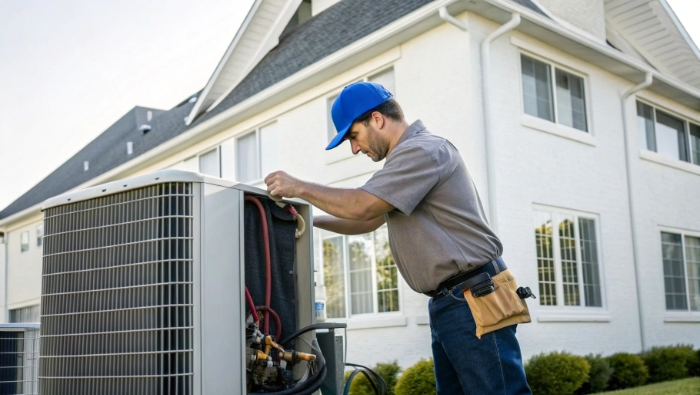
In the world of HVAC services, speed and efficiency matter more than ever. When customers call for heating or cooling problems, service delays can cause frustration, discomfort, and sometimes bigger issues in homes or businesses. Slow HVAC response times are not just an inconvenience; they can hurt a company’s reputation and lead to lost business.
Many HVAC companies struggle with managing their daily appointments. Technicians get overwhelmed, calls go unanswered, and the scheduling system struggles to keep up. This is where automation steps in as a game-changer, helping HVAC companies stay on top of demand while keeping customers happy.
Why HVAC Service Delays Happen
Slow response times are more common than many realize. Some of the main reasons include:
- Manual scheduling: When companies rely on phone calls and spreadsheets to manage appointments, mistakes and overlaps occur.
- High demand periods: Extreme weather causes a surge in service requests, overwhelming the team.
- Limited staff: Even skilled technicians can only handle a certain number of appointments per day.
- Communication delays: Manual follow-ups with customers take time and often leave gaps in scheduling.
These factors combine to frustrate customers and reduce trust in the company. When response times lag, customers may turn to competitors, impacting revenue and reputation.
How Automation Helps HVAC Companies Stay on Track
Automation can solve many of the problems that slow down service. Here’s how:
1. Smart Scheduling
Automated booking systems can assign appointments instantly based on technician availability, location, and skill set. This ensures the right technician is sent to the right job without manual intervention. Customers can see available time slots online and book instantly, reducing phone traffic and human error.
2. Real-Time Updates
Automation allows technicians and customers to receive real-time updates. Notifications about delays, arrivals, and job completion help everyone stay informed. This reduces missed appointments and confusion, improving overall service quality.
3. Efficient Dispatching
With automated systems, dispatchers can see all appointments on a single screen. The system can optimize routes to reduce travel time, allowing technicians to complete more jobs efficiently. This also helps prevent burnout by balancing workloads evenly among the team.
4. Data Tracking and Reporting
Automated systems record each service request, completion times, and customer feedback. Companies can analyze this data to identify bottlenecks and adjust staffing or scheduling strategies. Over time, this leads to faster service and higher customer satisfaction.
5. Handling Overflow Requests
During peak seasons, the number of service requests can exceed available staff. Automation helps by prioritizing urgent requests and reallocating less critical jobs. It also makes it easier to offer self-scheduling options or temporary rescheduling, reducing the impact of HVAC booking overflow secretly in the middle.
6. Customer Communication Made Simple
Automation ensures that customers receive reminders, confirmations, and updates without delay. Text messages or emails can reduce the need for follow-up calls, giving staff more time to focus on actual service work.
Benefits of Using Automation in HVAC Service
Implementing automation in HVAC operations brings several benefits:
- Faster response times: Technicians reach customers sooner, preventing discomfort.
- Higher customer satisfaction: Real-time communication and accurate scheduling improve trust.
- Increased efficiency: Technicians complete more appointments without sacrificing quality.
- Reduced human error: Fewer scheduling mistakes lead to fewer complaints and missed appointments.
- Scalability: Automation helps companies handle higher volumes of service requests without adding staff immediately.
Companies that adopt automation gain a competitive edge. They can respond quickly during busy seasons, maintain service quality, and grow their customer base.
Choosing the Right Automation Tools
Not all automation tools are created equal. HVAC companies should look for:
- Ease of use: The system should be simple for both staff and customers.
- Integration with current operations: The tool should work with existing CRM or billing systems.
- Scalability: It should handle increased booking volumes during peak times.
- Customization: The system should allow rules for urgent jobs, technician skill levels, and customer preferences.
- Reporting features: Insights from data help improve operations over time.
Investing in the right automation platform ensures long-term benefits. It prevents slow response times and allows HVAC companies to handle both regular and peak-season demands efficiently.
Steps to Implement Automation Successfully
Here’s a simple roadmap for HVAC companies to implement automation:
Step 1: Evaluate Current Processes
Identify where delays happen and which tasks are repetitive. Common pain points include scheduling, dispatching, and customer follow-ups.
Step 2: Choose the Right Platform
Look for software designed for HVAC companies. It should include scheduling, communication, and reporting features.
Step 3: Train Your Team
Even the best software is ineffective without proper training. Ensure technicians, dispatchers, and customer service teams know how to use the system.
Step 4: Start Small
Begin by automating one area, such as booking or notifications. Gradually expand to dispatching and reporting as the team adjusts.
Step 5: Monitor and Adjust
Track response times and customer feedback. Make adjustments to scheduling rules, alerts, or reporting settings as needed.
Conclusion
Slow HVAC response times can frustrate customers and hurt a company’s reputation. Automation addresses these challenges by streamlining scheduling, improving communication, and handling overflow requests efficiently. By investing in the right tools and following a clear implementation plan, HVAC companies can deliver faster service, reduce errors, and maintain customer trust, even during busy periods.
Automation is no longer just a convenience; it’s essential for HVAC businesses aiming to stay competitive and reliable.
Stop HVAC service delays today! Let RevUp Now automate your bookings, prevent overflow, and keep customers happy; experience faster service and stress-free scheduling now!
Frequently Asked Questions
What causes the HVAC appointment backlog?
High service demand, manual scheduling, and limited staff can lead to an HVAC appointment backlog.
How can automation improve HVAC response times?
Automation streamlines scheduling, dispatching, and notifications to reduce slow HVAC response times.
Can customers book appointments online with automation?
Yes, online self-scheduling allows customers to pick available time slots instantly.
Does automation help during peak HVAC seasons?
Absolutely, it prioritizes urgent requests and reallocates jobs efficiently during high-demand periods.
What data can HVAC companies track using automation?
Companies can track response times, job completion, customer feedback, and staff workloads.