
India has made significant strides in improving healthcare access through policy initiatives like the Pradhan Mantri Jan Arogya Yojana (PMJAY), also known as Ayushman Bharat. Launched in 2018, PMJAY is the world’s largest health assurance scheme, aiming to provide free healthcare to over 500 million vulnerable individuals. However, ensuring gender equity within this framework remains a critical challenge. Despite India's constitutional commitment to equality under Articles 14, 15, and 21, women often face systemic barriers that hinder their access to healthcare. This article, with contributions from experienced mentors of Poddar International College, the best BBA college in Jaipur, examines the challenges and opportunities associated with achieving gender equity in healthcare access under PMJAY, focusing on the legal dimensions and implications.
Challenges to Gender Equity under PMJAY
Here are the challenges to gender equity under the PMJAY scheme:
1. Socio-Cultural Barriers: Women in India often face entrenched socio-cultural norms that deprioritize their healthcare needs. In patriarchal settings, healthcare for women is frequently viewed as secondary, resulting in delayed treatment or avoidance altogether. Despite PMJAY’s promise of free healthcare, such norms remain pervasive.
2. Lack of Gender-Specific Provisions: The top BBA colleges in Jaipur, when addressing the challenges, discuss that while PMJAY provides a comprehensive package of healthcare services, it does not sufficiently address gender-specific health issues such as maternal healthcare, reproductive health, and gender-based violence. Women’s unique healthcare needs often remain underfunded or overlooked.
3. Awareness and Literacy Gaps: Low levels of awareness about PMJAY among women, especially in rural areas, further exacerbate inequities. Many women are unaware of their entitlements under the scheme, limiting its effectiveness in addressing gender disparities.
4. Geographical Disparities: Healthcare facilities under PMJAY are unevenly distributed, with rural and remote areas often experiencing shortages of infrastructure and specialists. This disproportionately affects women, who are less likely to travel long distances for treatment due to familial and societal constraints.
5. Implementation Challenges: Gender bias among healthcare providers can lead to unequal treatment, while inadequate grievance redressal mechanisms under PMJAY may deter women from seeking justice for denied or delayed care.
Legal Framework and Gender Equity
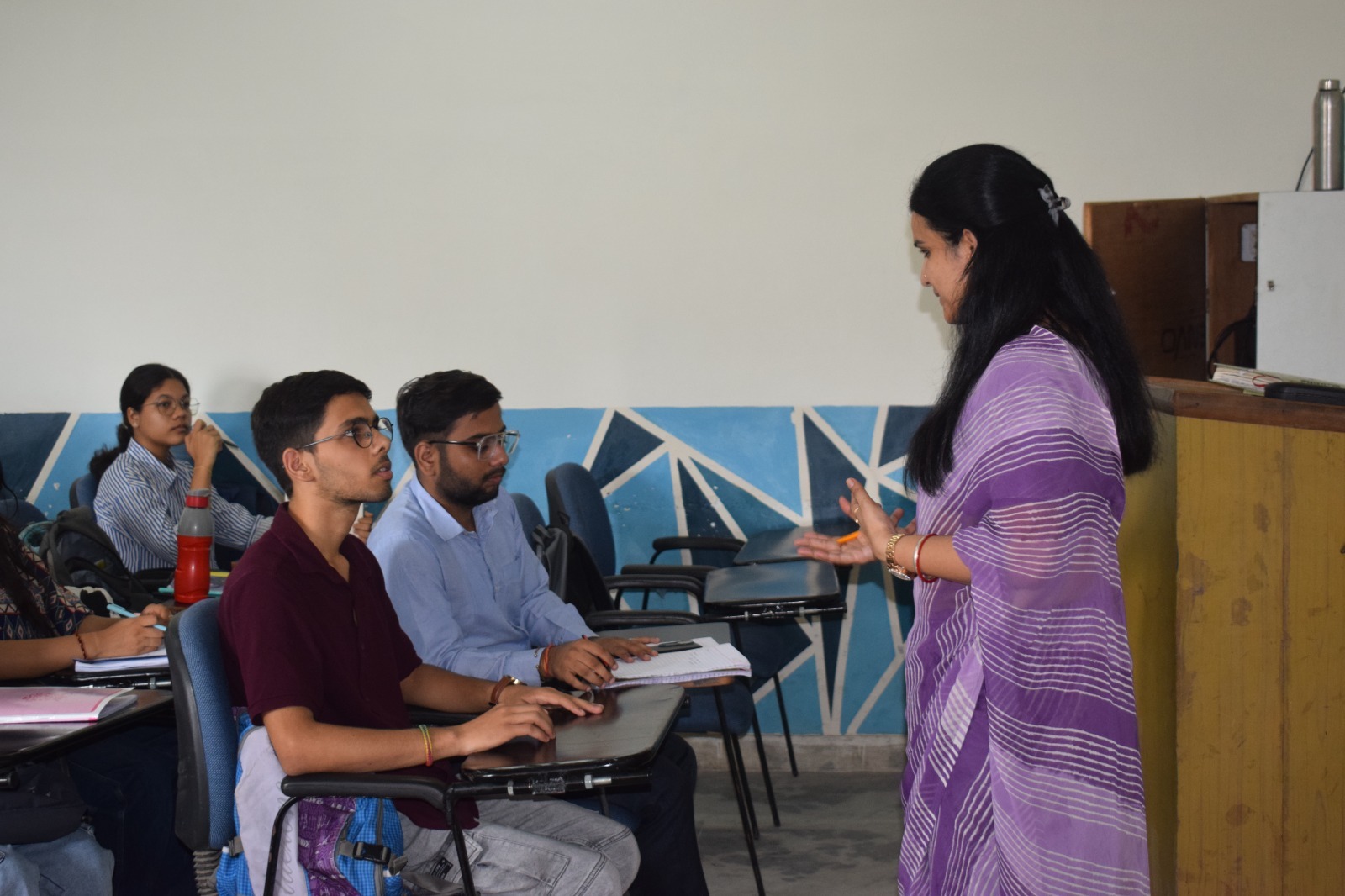
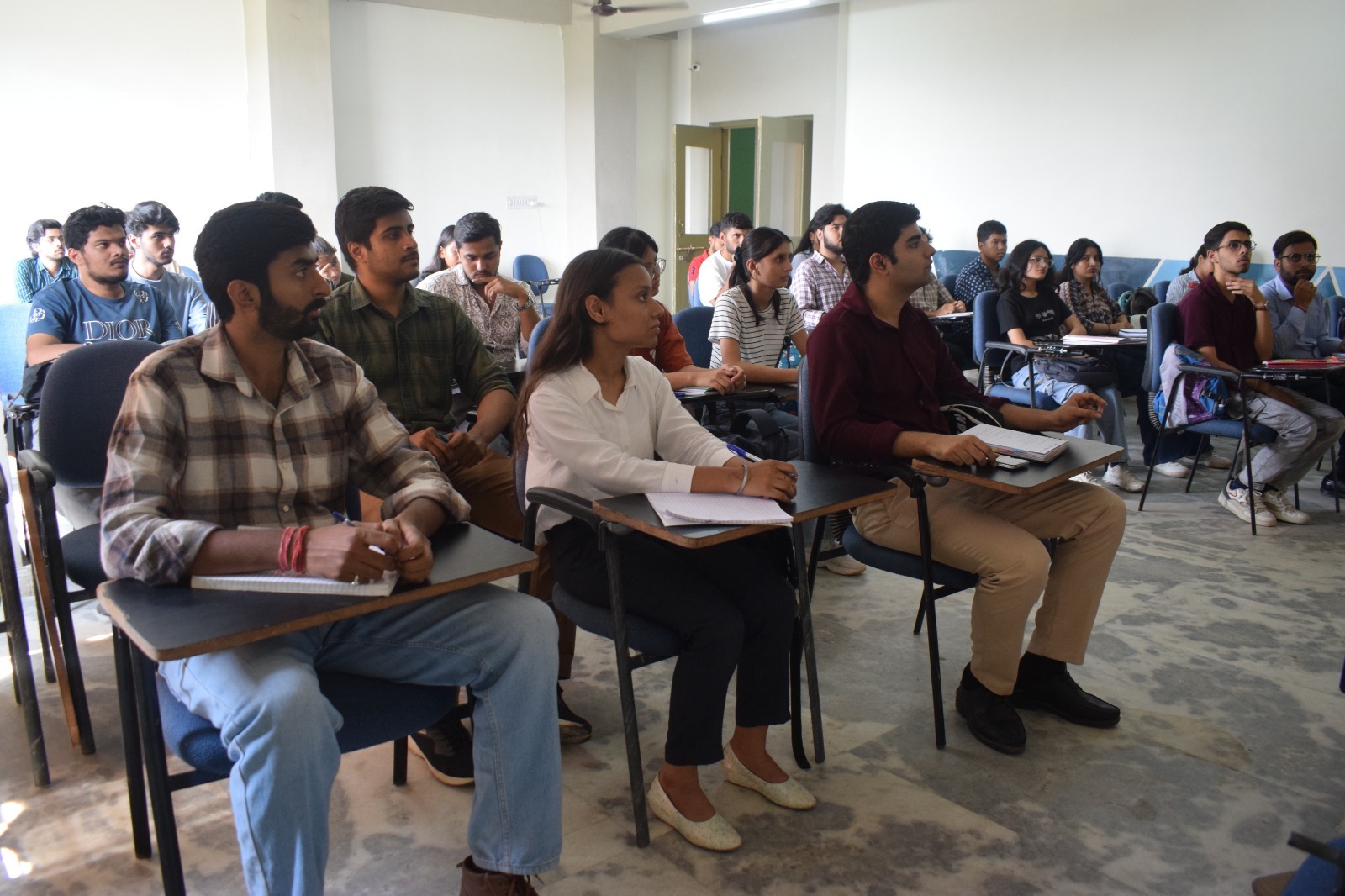
India’s legal framework provides a robust foundation for addressing gender inequities in healthcare. This is actively discussed at the best colleges in Jaipur for BBA, where students engage in interactive classroom discussions to gain an in-depth understanding of the relevant legal frameworks. Article 15(3) of the Constitution allows for affirmative action in favor of women, and the National Health Policy 2017 emphasizes the need for gender-sensitive healthcare services. However, these legal provisions have not been fully operationalized within the PMJAY framework. Effective implementation of laws such as the Maternity Benefit Act, 1961, and the Protection of Women from Domestic Violence Act, 2005, can complement PMJAY in ensuring equitable access.
Opportunities for Promoting Gender Equity
Let us now discuss the opportunities for promoting gender equity:
1. Incorporating Gender-Specific Benefits: Leading BBA colleges in Rajasthan suggest that PMJAY can introduce targeted health packages addressing women’s specific needs, including maternal healthcare, reproductive health, and mental health services. These packages should also cover treatment and rehabilitation for survivors of gender-based violence.
2. Strengthening Legal Accountability: Ensuring accountability through stringent monitoring mechanisms and legal enforcement can mitigate biases in healthcare delivery. PMJAY’s grievance redressal system should be strengthened to address gender-based complaints effectively.
3. Awareness Campaigns: Government and civil society organizations should collaborate to conduct gender-sensitive awareness campaigns about PMJAY. Special focus should be given to educating women in rural and marginalized communities about their rights under the scheme.
4. Capacity Building for Providers: Training healthcare providers on gender sensitivity and equity can significantly improve women’s experiences under PMJAY. Such training should be mandatory and monitored for compliance.
5. Leveraging Technology: Digital tools can be employed to improve access and awareness. For instance, mobile applications and telemedicine platforms can bridge the gap between women and healthcare providers, especially in remote areas.
6. Partnerships with Women’s Organizations: Collaborating with women’s rights organizations can help identify gaps and formulate strategies to make PMJAY more inclusive. These partnerships can also enhance advocacy efforts to promote gender equity in healthcare.
Conclusion
Achieving gender equity in healthcare access under PMJAY is not only a legal and ethical imperative but also a prerequisite for sustainable development. While PMJAY has the potential to revolutionize healthcare access in India, targeted interventions are needed to ensure it benefits women equitably. By addressing socio-cultural barriers, incorporating gender-specific benefits, and strengthening legal frameworks, India can move closer to fulfilling its constitutional promise of equality. Collaborative efforts from policymakers, healthcare providers, and civil society will be crucial in transforming PMJAY into a truly inclusive healthcare initiative.
Learn more legal frameworks that support management students in making appropriate business decisions and finding innovative solutions to real-world problems. Pursue a BBA course at Poddar International College, ranked among the best 5 BBA colleges in Jaipur, and take the first step towards success.