

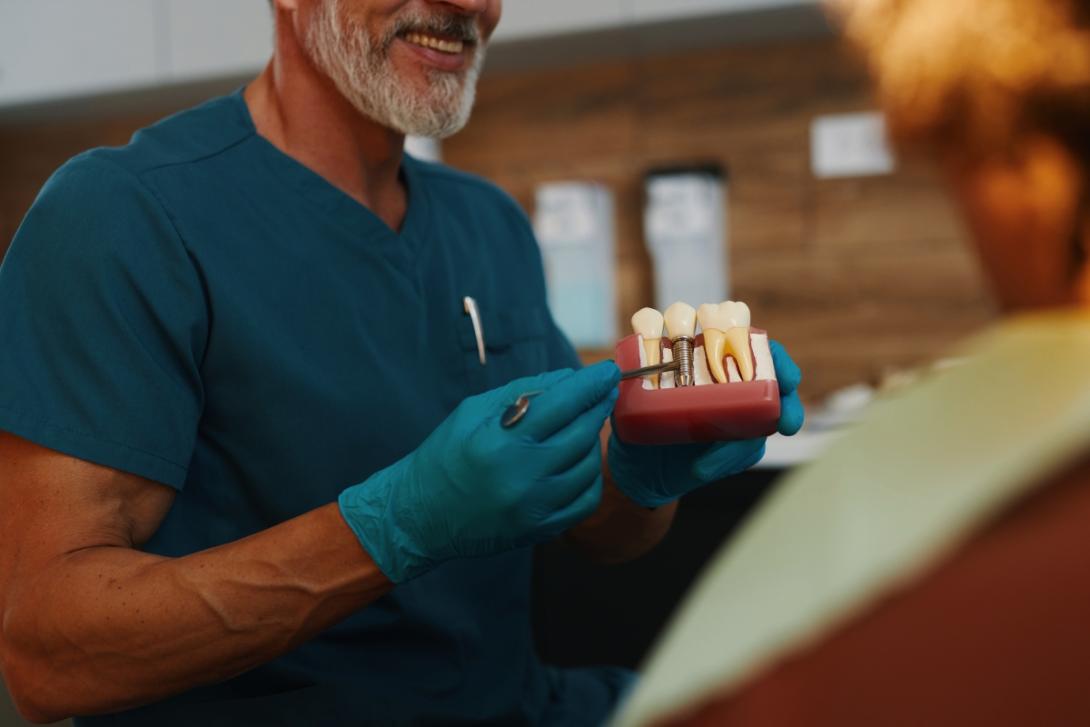
Losing a tooth can change more than your smile. It can affect your confidence, eating habits, and even daily conversations. That is why many people choose dental implants as a long-term solution. They look natural, feel secure, and help restore normal function.
Still, many patients ask an important question: Can dental implants fail? The honest answer is yes, although failures are uncommon when treatment is planned carefully and patients follow proper aftercare instructions.
Many people searching for Dental Implants in Grants Pass want to understand the risks before committing to treatment. Knowing the warning signs early can help protect your investment and your oral health.
What Causes a Dental Implant to Fail?
Dental implants are designed to last for many years. However, certain issues can affect healing and stability.
Here are the most common causes:
Poor Oral Hygiene
Implants still require daily care. Plaque and bacteria can build around the implant and lead to infection. This condition is called peri-implantitis.
Without treatment, the surrounding bone may weaken over time.
Smoking and Tobacco Use
Smoking reduces blood flow and slows healing. Patients who smoke often face a higher risk of implant complications.
This is especially important for patients who enjoy outdoor lifestyles around Grants Pass, including hiking, fishing, and camping trips where oral hygiene routines may be skipped.
Teeth Grinding
Grinding or clenching places extra pressure on implants. Over time, this force may damage the implant or the surrounding bone.
Bone Loss
Some patients lose jawbone density after missing teeth for several years. Implants need strong bone support to remain stable.
Medical Conditions
Conditions like uncontrolled diabetes can interfere with healing. Certain medications may also affect bone health.
Early Warning Signs You Should Never Ignore
Dental implant problems usually do not appear overnight. Your mouth often gives small warning signs first.
Watch for these symptoms:
- Pain that continues weeks after surgery
- Swelling or redness around the implant
- Bleeding gums near the implant site
- Loose feeling when chewing
- Difficulty biting comfortably
- Bad taste or bad breath that will not go away
- Gum recession around the implant
- Pus or signs of infection
If you notice any of these issues, contact your dentist quickly. Early treatment may save the implant.
What Does a Healthy Implant Feel Like?
A successful implant should feel natural and comfortable.
You should be able to:
- Eat normally
- Speak clearly
- Brush and floss without pain
- Bite without movement
- Smile confidently
Many local patients enjoy returning to their favorite Grants Pass spots like Riverside Park events or downtown dining without worrying about loose teeth or dentures shifting.
How Dentists Help Prevent Implant Failure
Modern implant dentistry uses detailed planning and advanced technology to reduce complications.
Your dentist may:
- Take digital scans before treatment
- Check bone density carefully
- Review your medical history
- Recommend bone grafting if needed
- Create a personalized treatment plan
Patients who attend regular checkups often catch small problems before they become serious.
Simple Ways to Protect Your Implant
Good habits make a huge difference.
Keep Your Mouth Clean
Brush twice daily and floss carefully around the implant.
Attend Routine Dental Visits
Professional cleanings help remove harmful bacteria.
Avoid Smoking
Quitting tobacco improves healing and long-term success rates.
Wear a Night Guard
If you grind your teeth, a custom guard protects the implant from pressure.
Eat a Balanced Diet
Healthy foods support gum and bone health. Many Grants Pass residents enjoy fresh produce from local markets, which can support overall wellness during recovery.
Can a Failed Implant Be Replaced?
In many cases, yes.
Your dentist may remove the failed implant, allow the area to heal, and place another implant later. Some patients may need bone grafting first.
The key is acting early. Waiting too long can lead to more bone loss and additional treatment.
Why Choosing the Right Dental Team Matters
Experience matters when it comes to implant dentistry. A skilled dental team carefully evaluates your oral health, explains every step clearly, and monitors healing closely.
Patients should feel comfortable asking questions about:
- Success rates
- Recovery expectations
- Costs and financing
- Implant materials
- Long-term maintenance
Choosing a trusted local office also makes follow-up visits easier and more convenient.
When Should You Schedule an Appointment?
You should contact a dentist if:
- Your implant feels loose
- You notice swelling or bleeding
- Chewing becomes uncomfortable
- You experience ongoing pain
- Your gums begin pulling away from the implant
Early care may prevent bigger problems later.
For patients considering Dental Implants in Grants Pass, learning the warning signs can help you make confident decisions about your oral health.
FAQs
Are dental implant failures common?
No. Most implants succeed when placed correctly and cared for properly.
How long do dental implants last?
Many implants last for decades with good oral hygiene and regular dental visits.
Can an infection around an implant be treated?
Yes. Early infections can often be managed before serious damage occurs.
Is implant surgery painful?
Most patients report mild discomfort that improves within a few days.
Can older adults get dental implants?
Yes. Age alone usually does not prevent implant treatment.
How do I know if my implant is loose?
You may notice movement while chewing or brushing. Contact your dentist immediately if this happens.
Final Thoughts
Dental implants remain one of the most reliable ways to restore missing teeth. While failure is possible, most problems can be prevented through proper care and regular dental visits.
Understanding the warning signs helps you protect your smile for years to come. If you have concerns about discomfort, swelling, or implant stability, scheduling an evaluation sooner rather than later is always the smarter choice.