
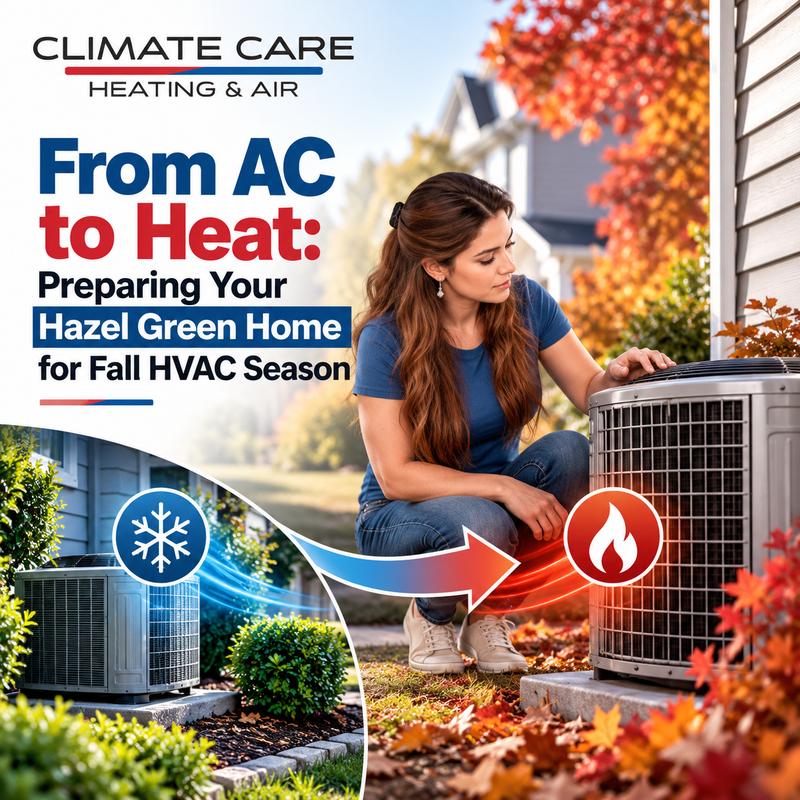
The days are still mild, the nights are getting cooler, and your air conditioner has finally earned a break. Your furnace or heat pump is about to take over, and it’s about to work hard for the first time in months.
Fall is the best time to make that transition intentionally, instead of finding out on the first cold morning that something is wrong. This guide walks through what to check, what’s normal, what isn’t, and how to choose an HVAC contractor you can trust if your system needs help.
Why Fall Is the Right Time to Switch Over
Your system has completed a long cooling season, and your heating equipment has likely been dormant for several months. Dust builds up, filters become clogged, and other minor issues can go unnoticed until the equipment is used regularly.
Fall also gives you some flexibility when planning. The demand for heating is still low, so any problems identified at this stage become a scheduling hassle rather than a crisis at midnight. HVAC technicians are generally very busy once the cold weather arrives, so it’s best to address potential issues beforehand.
Your Fall AC-to-Heat Checklist
1. Replace the air filter. The same blower serves both your heating and cooling systems, so a filter that worked hard all summer may be clogged. Most filters need replacing every one to three months, depending on dust levels and whether you have pets, and Energy Trust provides a helpful walkthrough. Use the correct size and type, point the airflow arrow toward the furnace, and never run the system without a properly installed filter.
2. Reset the thermostat. Switch it from cool to heat, set the fan to Auto, and check the batteries and your schedule. Fall in North Alabama can swing from warm afternoons to cool nights. A thermostat with automatic changeover may switch between heating and cooling on the same day; many homeowners set it to heat once nights are consistently cool. If you have a heat pump, leave it set to normal heating mode. “Emergency heat” is a manual backup setting for when the heat pump shouldn’t run. If the thermostat is old or unreliable, a thermostat replacement is an easy upgrade.
3. Reopen and clear your vents. Open any registers you closed in summer and make sure furniture, rugs, and drapes aren’t blocking supply registers or return grilles.
4. Clear the area around your equipment. Keep boxes, paint, and chemicals away from the furnace. Outside, clear leaves and debris from around the outdoor unit and check that furnace vents aren’t blocked.
5. Test your alarms. Working carbon monoxide alarms should be installed on every level of the home and near sleeping areas and tested monthly. Replace them according to the manufacturer’s instructions. Safe Kids Worldwide has a good safety checklist.
6. Run a test cycle on a mild day. Run the heat for 15 to 20 minutes while you’re home. Listen for banging, squealing, or rattling. If it shuts off before reaching the set temperature, that’s worth a professional look.
Is That First-Heat Smell Normal?
Often, yes. Dust that settled on heating components during months of disuse commonly burns off the first time the system runs, producing a dusty, “toasty” odor that should fade as the system keeps running.
What isn’t normal:
- A smell that lingers, grows stronger, or returns every cycle
- Burning plastic, chemical, or electrical odors, so shut the system off at the thermostat and call a technician
- A rotten-egg or sulfur smell, which can signal a gas leak
Safety first: If you smell gas or a carbon monoxide alarm sounds, don’t keep troubleshooting. Leave the home immediately, move to fresh air, and call 911 or your gas utility’s emergency line from outside. Never ignore a CO alarm.
Signs Your System Needs a Pro Before Winter
A test cycle or first week of heating can reveal problems worth addressing early:
- The system starts and stops repeatedly
- Weak airflow or cool air from the vents
- New grinding, squealing, or banging
- Rooms that won’t warm up
- Higher energy bills with no change in habits
- An older system with a history of repairs
These can have many causes, so don’t guess. Don’t open furnace panels, adjust burners, or bypass safety controls. A detailed HVAC inspection can be a good fit if your system’s age or condition is uncertain.
What a Professional Fall Tune-Up Typically Covers
Exactly what’s included depends on your equipment and the company, so ask. A heating tune-up generally includes checking the ignition system and burners (for gas furnaces), the blower, thermostat operation, safety controls, airflow, and overall performance. For heat pumps, it also includes checking the outdoor unit and refrigerant-related operation.
Climate Care’s maintenance plans are built around seasonal visits that clean, inspect, and fine-tune your system, which is one way to make fall preparation a habit.
When Your Heater Needs Licensed Heater Repair
Some heating issues are definitely not DIY projects. Gas connections, combustion, electrical components, and refrigerant all involve important safety and legal considerations. That’s why licensed heater repair matters: a qualified technician is trained to diagnose the problem, work safely, and verify that the system operates correctly afterward.
Refrigerant work, including work on a heat pump, also requires EPA certification. If the problem involves repeated shutdowns, no heat, unusual smells, or anything related to gas or combustion, schedule HVAC repair services instead of experimenting with the system.
How to Choose an HVAC Contractor Before the Cold Arrives
The best time to find a trustworthy HVAC contractor is before you’re cold and desperate. A few questions help:
- Is the license current? Ask for the license information and check it with the state. The Alabama Board of Heating, Air Conditioning & Refrigeration Contractors is a good place to start.
- Are they insured? Ask for proof of insurance.
- Do they explain the problem clearly? A good technician shows you what’s wrong and why, in plain language.
- Is the estimate in writing? Make sure it separates what’s necessary from what’s optional.
- Do they pressure you? Avoid companies that push replacement before diagnosing.
- What’s the reputation? Look at reviews and ask neighbors.
- What about emergencies? Ask how after-hours heating problems are handled.
For big repairs or replacements, a second opinion is always reasonable.
Get Your Heating System Ready in Hazel Green, AL
If you’re going through this checklist and something doesn’t look or sound right, don’t wait for the first freeze. Climate Care Heating & Air is a locally owned, family-operated HVAC company serving homes across North Alabama, from Highway 231 to neighborhoods like Aldine Acres and Coldwater Creek. The crew is fully licensed and insured, explains issues in plain English, and specializes in honest pricing without unnecessary upselling. The company also offers 24-hour emergency service.
Whether you need a fall tune-up, a second opinion on a heating problem, or licensed heater repair, call (256) 936-4700 or request a callback online. You can also learn more on the Hazel Green service area page. For gas odors or a carbon monoxide alarm, leave the home and call 911 first.
Frequently Asked Questions
When should I switch my thermostat from cool to heat?
When nights are consistently cool and you actually need heat. Switch earlier to test the system on a mild day so any problem surfaces before you depend on it.
Is it normal for my heater to smell the first time I use it?
A mild, dusty smell that fades is common. A smell that persists or resembles burning plastic, electrical components, chemicals, or gas is not normal.
How often should I change my furnace filter?
Typically every one to three months, depending on your filter, dust, and pets. Check monthly during heavy use.
Do I need a tune-up if my heater works fine?
A seasonal check helps catch wear before it causes a breakdown, particularly on older equipment.
What’s the difference between auxiliary heat and emergency heat?
Auxiliary heat is automatic backup that helps a heat pump when needed. Emergency heat is a manual setting that turns the heat pump off. Use it only when the heat pump shouldn’t run.
Can I fix my heater myself?
Replacing filters, adjusting thermostat settings, and clearing vents are fine. Anything involving gas, combustion, electrical components, or refrigerant should be handled by a licensed technician.
The Article “From AC to Heat: Preparing Your Hazel Green Home for Fall HVAC Season” was originally posted here.