

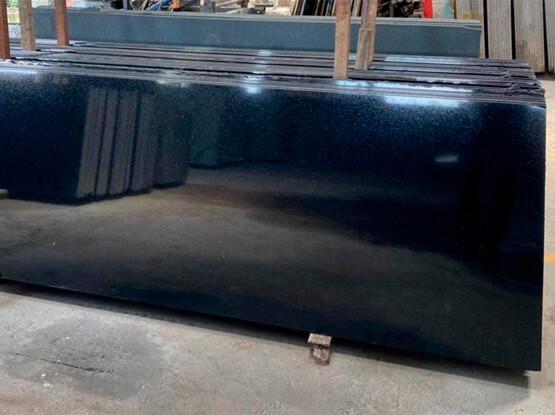
Absolute black granite remains one of the most sought after materials in architectural design and residential renovation. Its deep jet black tone and solid, grainless appearance create a timeless backdrop for modern kitchens, luxury bathroom vanities, and commercial lobbies. However, despite its popularity across global markets, sourcing this specific stone presents unique challenges that trip up even experienced procurement managers and homeowners.
Because high quality dark stone commands premium pricing, the market is filled with varying grades, dyed surfaces, and mislabeled regional varieties. Avoiding common purchasing traps requires a clear understanding of stone testing, quarry variations, and supplier credentials.
1. Falling for Black Dye and Chemical Coatings
One of the most widespread issues in the natural stone trade is buying dyed material passed off as first choice stone. Lower grade grey or speckled granites are sometimes treated with black dye, oil, or dark epoxy during processing to make them look like pure jet black slabs.
While a dyed surface might look flawless in a warehouse under soft light, the trick unravels once the stone is installed in a home or office:
- Fading under sunlight: UV exposure breaks down chemical dyes quickly, leaving behind patchy grey spots.
- Etching from household cleaners: Standard kitchen sprays and acidic food spills dissolve surface oils, exposing underlying lighter grains.
- Sticky residue: Low quality resin coats can soften when hot pots are placed directly on countertops.
To catch dyed stone before placing a large order, conduct a quick acetone test. Take a clean white cloth soaked in acetone or nail polish remover and rub a small area firmly. If dark residue transfers onto the cloth, the stone has been chemically enhanced and will not hold its appearance over time.
2. Ignoring Micro Fissures and Pitting in Raw Slabs
Absolute black granite gets its deep color from dense mafic minerals, which makes it incredibly heavy and hard. However, natural stone blocks frequently contain micro fissures, hairline stress cracks, and minor surface pitting created during underground quarry blasting.
A major mistake buyers make is accepting raw stone photos without requesting detailed close up inspections under wet and dry conditions. When inspecting absolute black granite slabs, look closely along the edges and under direct angled light. Micro cracks that seem invisible on a raw slab can snap during transport or custom fabrication cutting.
3. Confusing Regional Black Granite Varieties
Not all black stones offer the same level of jet black uniformity. Buyers often assume that any stone labeled black will look identical once installed across a room. In reality, black granite from different geological regions varies significantly in mineral density, background shade, and surface gloss.
Sourcing from a verified export quality granite slabs supplier guarantees that slabs are properly sorted by color batch and grain uniformity before crate packing occurs.
4. Prioritizing Unusually Low Prices Over Crate Packaging
Importing natural stone across long sea routes involves heavy vibration, moisture shifts, and multiple crane handlings at container ports. A common mistake among cost conscious buyers is focusing entirely on the square foot price while ignoring shipping packaging specs.
Cheap exporters often skimp on wooden crate thickness, plastic sheet wrapping, and internal bracing. When heavy stone bundles shift inside a shipping container, slabs can shatter or suffer edge chipping that ruins whole batches.
Partnering with an established natural stone supplier and exporter means your shipment receives fumigated wooden crates, corner guards, and heavy metal straps designed to survive international transit without damage.
5. Skipping Batch Color Matching for Large Orders
If your project requires multiple crates of stone for expansive hotel floorings or multi unit apartment builds, ordering slabs without checking batch matching leads to mismatched rooms. Even within the same quarry, deeper rock layers can show subtle shifts in dark tones or crystal size.
Always verify that your supplier bundles slabs sequentially as they are cut from the same quarry block. Reputable export partners like BBV Impex provide detailed block photos, batch numbering, and dry lay photo sets so project managers can approve slab layouts before shipping containers are loaded.
6. Selecting the Wrong Finish for High Traffic Use
While high gloss polished finishes remain the top choice for kitchen counters and feature walls, choosing polished surfaces for high traffic outdoor walkways or commercial entrances is a common oversight. Polished dark surfaces show water spots, dusty footprints, and micro scratches more visibly than lighter stones.
For outdoor paving, pool decks, or public walkways, consider specifying honed, leathered, or flamed finishes. These textured surfaces maintain dark elegance while offering slip resistance and hiding daily wear.
Summary Checklist for Smart Buyers
Before finalizing your next purchase order for dark natural stone, run through these key validation steps:
- Perform the Acetone Wipe Test: Ensure no dyes or black oils were applied to hide defects.
- Verify Thickness Tolerance: Check that slab thickness is consistent within tight millimeter limits across every corner.
- Inspect Edge Straightness: Confirm gang saw cuts are perfectly flat to prevent gaps during installation.
- Confirm Block Continuity: Require all slabs for a single room or area come from the same block number.
- Review Crate Packing Standards: Ensure crates are reinforced with heavy wood framing and internal foam padding.
Final Thoughts
Sourcing genuine jet black stone requires careful vetting, testing, and realistic expectations around natural mineral characteristics. By avoiding artificial enhancements, insisting on strict batch matching, and choosing reliable logistics partners, you ensure that your stone surfaces maintain their striking beauty and high structural strength for decades.